Introduction: Understanding Commodity Boom and Bust Cycles in the United States (2025 Outlook)
The global economy moves in cycles, and commodity markets highlight this pattern more clearly than most. In the United States, grasping these boom and bust phases for raw materials-such as oil, gold, crops, and metals-goes beyond theory; it’s essential for investors, companies, and government leaders. These swings affect inflation, everyday prices, factory output, and jobs nationwide. Heading into 2025, factors like shifting international relations, Federal Reserve decisions, tech innovations, and environmental changes will steer these vital sectors. This guide breaks down the nature of commodity cycles, examines what propels them and how they’ve shaped the U.S. in the past, and shares practical steps for American investors and firms to handle the ups and downs on the horizon.
What Defines a Commodity Boom and Bust Cycle?
Commodity boom and bust cycles describe the repeated waves of sharp price jumps followed by steep drops in raw material markets. These patterns emerge from intricate balances-or imbalances-between supply, demand, and investor speculation.

The “Boom” Phase Explained
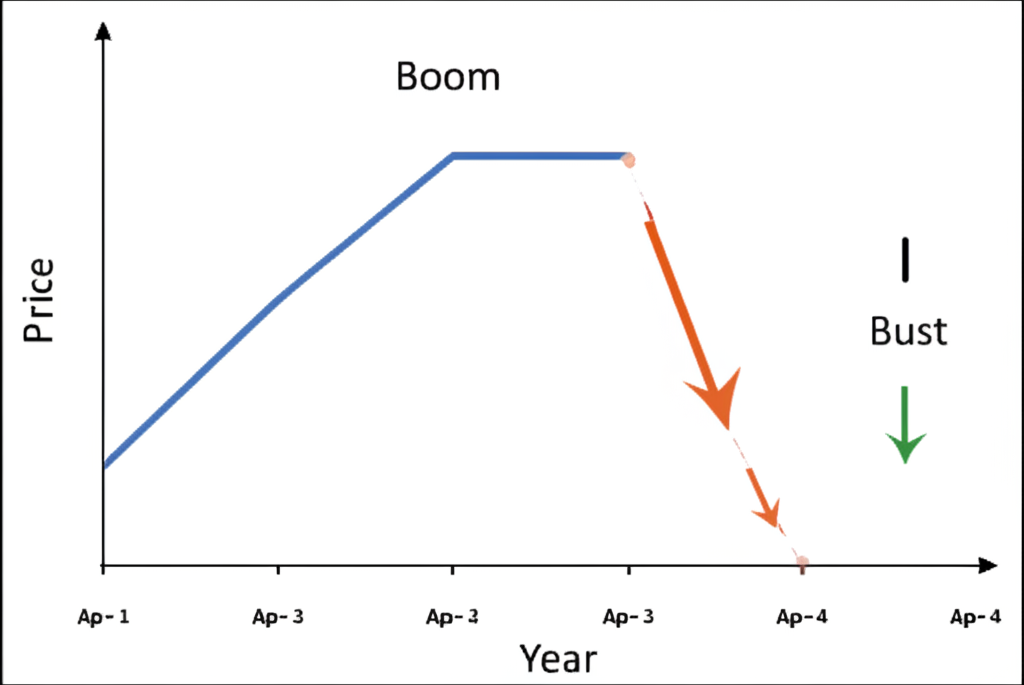
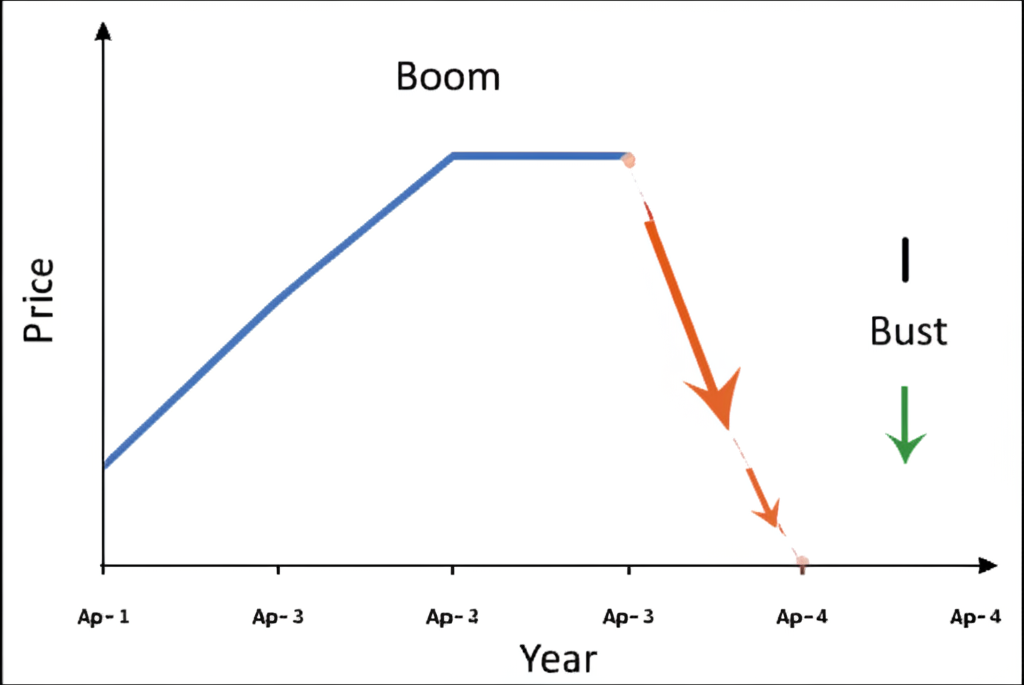
In a boom, raw material prices climb steadily over time, typically sparked by strong worldwide buying, limited supplies, or eager speculators piling in. When demand surges past what’s available, prices shoot up, prompting more mining, drilling, and funding in those industries. You’ll see energy and mining firms posting bigger profits, companies ramping up spending, and sometimes broader price pressures building in the economy.
The “Bust” Phase Explained
A bust flips the script, with prices crashing due to too much supply flooding the market, slower growth around the world, or speculators pulling back. As values tumble, production slows, firms struggle financially, and layoffs hit hard in areas tied to these resources. This downturn wipes out the boom’s overreach, trimming supply until conditions ripen for another rise.
Key Characteristics of Commodity Cycles
These cycles stand out for their volatility, delivering wild price shifts that catch many off guard. They can last anywhere from months to years, with amplitude that swings prices dramatically. Their unpredictability adds another layer of challenge, even for experts trying to pinpoint turns. Rooted in core economic drivers and trader emotions, they form a core part of how markets operate.
The Driving Forces Behind Commodity Boom and Bust Cycles in the US (2025)
To forecast how these cycles will touch the U.S. economy by 2025, it’s vital to unpack the main triggers.
Supply and Demand Dynamics
Supply and demand remain the bedrock of price changes in commodities.
- Global economic growth: When big economies, especially in developing regions, expand quickly, they pull in more energy, metals, and farm goods. This opens doors for U.S. exports in some areas while hiking import bills for others.
- Production capacity, exploration, and extraction costs: How easily new supplies come online, fresh discoveries, and the expense of pulling resources out all shape availability. Tech breakthroughs can slash costs, but stricter environmental rules might raise them.
- Technological advancements: Breakthroughs like fracking in oil and gas or biotech boosts to crop yields reshape supply equations. On the flip side, progress in clean energy cuts the need for coal and oil over time.
Geopolitical Events and Global Instability
International politics throw curveballs into the mix. Wars, tariffs, or unrest can snag supply lines, block shipments, or spark fears of shortages, sending prices soaring. Middle East flare-ups, for example, jolt oil costs worldwide, and farm trade spats with key suppliers ripple into American grocery bills. The turmoil in Eastern Europe lately underscores how these issues hit energy and grain prices hard.
Monetary Policy and Financialization
The Federal Reserve’s moves carry huge weight here.
- Interest rates and quantitative easing/tightening: Cheap borrowing from low rates or money-printing programs makes commodities more appealing to hold, sparks business activity, and softens the dollar-drawing in overseas buyers and lifting demand. Rate hikes do the reverse. Come 2025, the Fed’s approach to taming inflation will heavily sway these markets.
- Speculative investment and financial instruments: As commodities blend more with finance, bets through futures, CFDs, and ETFs can magnify swings, sometimes overriding real-world supply needs.
Climate Change and Environmental Factors
Shifting weather patterns are gaining ground as influencers.
- Impact on agricultural commodities: Storms, dry spells, or freak freezes wreck harvests, jacking up prices for staples like corn, wheat, and soybeans that underpin U.S. farming.
- Energy transition efforts: Policies pushing solar, wind, and electric cars worldwide-and in the U.S.-ramp up needs for metals like copper, lithium, and nickel, even as they curb fossil fuel use long-term. This shift breeds fresh cycles in green materials.
Historical Examples of Commodity Cycles and Their Impact on the United States
Looking back reveals how these cycles have molded the American landscape.
The Oil Shocks of the 1970s and Early 2000s
Geopolitical storms in the 1970s drove oil prices sky-high, fueling stagflation with rampant inflation and stalled growth across the U.S. It ignited drives for saving energy and homegrown supplies. The early 2000s echoed this, with oil hitting peaks by 2008 amid global hunger for resources and regional conflicts, adding to price pressures before the crash.
The Supercycle of the 2000s (China Boom)
China’s explosive growth in factories and cities during the 2000s unleashed a massive supercycle for metals and fuels. That thirst for basics lifted prices everywhere, aiding U.S. exporters to China and boosting resource states, though it squeezed other sectors with steeper costs. The International Monetary Fund (IMF) has extensively analyzed this period, highlighting its profound global impact.
The 2014-2016 Oil Bust and Subsequent Recovery
After that high, oil tanked from 2014 to 2016, thanks to U.S. shale flooding the market alongside fading demand. It hammered the drilling sector, costing jobs and investment in places like Texas, but eased fuel bills for drivers and industries. Recovery came slowly, via cutbacks and market resets.
Commodity Price Volatility in 2020-2023
The pandemic upended everything, starting with shutdowns that cratered demand and even sent oil prices negative for a moment. Rebounds brought chaos from broken chains, booming needs, and world events, spiking energy, metals, and food costs. This fed the inflation surge that gripped the U.S., pushing the Fed to hike rates fast. The Federal Reserve’s economic projections often reflect these commodity-driven inflationary pressures.
The Economic and Financial Impact of Commodity Cycles on the United States
These cycles ripple through the U.S. in ways that touch businesses, workers, and households alike.
Inflation and Consumer Prices
Rising commodity costs hit inflation head-on, as firms pay more for basics and pass it along in higher gas, groceries, and product tags. Drops in prices, meanwhile, can cool things down and ease wallets.
Industrial Production and Manufacturing
Factories depend on steady, affordable inputs like metals and power. Price jumps squeeze margins, hurt export edges, and may idle lines or bump costs, dragging on growth overall.
Employment and Investment
Sectors like drilling, farming, and mining feel the direct hit on jobs. Booms spark hiring and big spends in hubs such as Texas, North Dakota, and Iowa. Busts bring cuts, failures, and pulled funding, sparking local slumps.
US Dollar Strength and Trade Balances
The dollar often moves against commodities, particularly oil. A robust greenback prices out foreign shoppers, curbing demand. A softer one does the opposite. Cycles also tweak trade: more oil imports widen deficits, while farm booms narrow them via exports. The U.S. Energy Information Administration (EIA) provides extensive data on energy production, consumption, and trade, illustrating these dynamics.
Navigating Commodity Boom and Bust Cycles: Strategies for US Investors and Businesses in 2025
American investors and companies need smart plans to weather these cycles and seize gains by 2025.
Diversification and Hedging Strategies
- Importance of a diversified portfolio: Spread bets across assets to avoid over-reliance on commodities. Mix in stocks, bonds, and property to buffer blows from any one sector’s slump.
- Using derivatives for hedging price risk: Businesses exposed to swings-like airlines buying fuel or farmers selling crops-can use futures and options to fix prices ahead, shielding against bad turns.
Investing in Commodity-Related Assets
Americans can tap commodities through various channels:
- ETFs (Exchange Traded Funds) and ETNs (Exchange Traded Notes): These let you track commodities or baskets without handling the goods themselves. Options cover gold, oil, or mixes, trading easily on U.S. markets with good liquidity.
- Stocks of commodity-producing companies: Shares in outfits like ExxonMobil, Barrick Gold, or Archer-Daniels-Midland give indirect play. They track prices but also hinge on management and operations.
The Role of Active Trading and Analysis
- Technical and fundamental analysis: Traders blend chart patterns with deep dives into supply stats, growth figures, and global news to spot buy or sell signals.
- Understanding market sentiment and macroeconomic indicators: Track world outlooks, Fed announcements, and trader moods to sense cycle shifts coming.
Leading International Platforms for Commodity Exposure (2025)
Though U.S. retail traders face limits on direct CFD trading, these global platforms deliver solid commodity CFD options for qualified users or institutional Americans. For everyday U.S. investors wanting regulated access, turn to domestic futures brokers or those with commodity ETFs and stocks.
1. Moneta Markets
Advantages: Moneta Markets shines with tight spreads and minimal fees on a wide array of commodity CFDs, from Crude Oil and Gold to Silver, Natural Gas, and farm staples. It supports pro tools like MetaTrader 4 (MT4) and MetaTrader 5 (MT5), plus a simple web-based trader, fitting various styles. Holding an FCA license, it offers top-notch 24/5 support in multiple languages and rich learning materials, ideal for global traders wanting reliable commodity access.
2. IG
Advantages: This veteran broker brings a huge lineup of CFDs across energy, metals, and softer goods. Its sleek platform, deep research, and oversight from regulators in several countries build confidence for secure trading.
3. Saxo Bank
Advantages: A high-end choice for multi-asset trading, Saxo Bank opens doors to commodity CFDs and futures via its advanced SaxoTraderGO and SaxoTraderPRO setups. Its pro-level insights draw seasoned players looking for sharp market reads.
Other US-Specific Options for Commodity Exposure
For everyday American investors, regulated paths dominate. Consider:
- US-regulated futures brokers: Firms like Interactive Brokers or Charles Schwab Futures (formerly TD Ameritrade Futures) enable trading in commodity futures under strict U.S. rules.
- Brokers offering commodity ETFs/stocks: Big names such as Fidelity, Vanguard, and E*TRADE provide ETFs mirroring commodity benchmarks or single assets, alongside shares in related companies.
Outlook for Commodity Boom and Bust Cycles in the United States: 2025 and Beyond
Gazing toward 2025 and later, key shifts promise to redefine these cycles.
Emerging Trends and Forecasts
- Impact of energy transition: The worldwide shift to low-carbon tech will spike needs for essentials like copper, lithium, nickel, and rare earths in EVs, storage, and green setups-potentially launching a “green supercycle” with its own twists.
- Ongoing geopolitical tensions: A divided world points to more disruptions in supplies, trade shifts, and jolts to energy and food prices, sustaining high swings.
- Inflationary pressures and the Federal Reserve’s policy trajectory: As the Fed wrestles inflation, its rate path will sway the dollar and borrowing costs, steering commodity paths.
Preparedness for Future Cycles in the US
Since cycles are baked into commodities, U.S. players must stay ready:
- Continuous monitoring: Watch economic signals, world politics, and weather closely to spot changes early.
- Adaptable strategies: Build flexible plans, from adjustable hedges and nimble suppliers to varied power sources, to pivot with the market.
Conclusion: Navigating the Inevitable Cycles
Boom and bust cycles in commodities define global trade and hit the U.S. hard, from price hikes and output levels to jobs and funding flows. Spotting drivers like supply strains, world conflicts, Fed actions, and climate shifts is key to steering through. Though exact predictions elude even pros, tools like spreading risks, picking related investments wisely, and tracking trends let Americans turn volatility into advantage. Into 2025, sharp eyes and quick adaptations will help prosper in these turbulent waters.
What does a commodity boom and bust cycle mean?
A commodity boom and bust cycle refers to recurring periods where the prices of raw materials (like oil, gold, or agricultural products) first experience significant, sustained increases (the “boom” phase), followed by sharp, sustained declines (the “bust” phase). These cycles are driven by imbalances in supply and demand, geopolitical events, and economic conditions.
What are the 4 economic cycles?
The four main phases of a typical economic cycle, also known as the business cycle, are:
- Expansion: Economic growth, low unemployment, rising prices.
- Peak: The highest point of economic growth, often signaling an impending reversal.
- Contraction/Recession: Economic decline, rising unemployment, falling prices.
- Trough: The lowest point of economic activity, often signaling an impending recovery.
Commodity boom and bust cycles often align with these broader economic phases.
Where are we in the commodity boom and bust cycle today in the United States?
As of late 2024 heading into 2025, the United States is navigating complex commodity markets. After significant price volatility and inflation in 2020-2023 driven by supply chain disruptions and geopolitical events, some commodity markets have seen price moderation. However, ongoing geopolitical tensions, the pace of the energy transition, and the Federal Reserve’s monetary policy trajectory will continue to shape whether specific commodities are in a recovery, plateau, or heading towards a new boom or bust.
What are some examples of boom and bust cycles in history?
Key historical examples impacting the US include:
- The Oil Shocks of the 1970s, which led to high inflation and recession.
- The Commodity Supercycle of the 2000s, fueled by China’s rapid industrialization.
- The 2014-2016 Oil Bust, caused by oversupply from US shale production.
- The extreme volatility during 2020-2023 due to the COVID-19 pandemic and geopolitical conflicts.
How can US investors prepare for commodity boom and bust cycles in 2025?
US investors can prepare by diversifying their portfolios, considering hedging strategies using derivatives, investing in commodity-related ETFs or stocks, and staying informed on macroeconomic trends and geopolitical events. For those seeking broader commodity exposure, international platforms like Moneta Markets offer competitive access to commodity CFDs (though US retail investors should be aware of regulatory restrictions and explore US-regulated alternatives like futures or commodity ETFs).
What are the 4 market cycles?
While economic cycles refer to the broader economy, market cycles specifically describe patterns in asset prices. The four common phases of a market cycle are often defined as:
- Accumulation: Smart money buys assets, prices are low.
- Markup: Prices start to rise, public interest grows.
- Distribution: Smart money sells, prices plateau or show minor declines.
- Markdown: Prices fall sharply, public panic sells.
Commodity markets exhibit these cycles strongly due to their sensitivity to supply, demand, and sentiment.
How do commodity boom and bust cycles impact inflation in the United States?
Commodity boom and bust cycles directly impact inflation in the United States. During a boom, rising commodity prices increase the cost of raw materials for businesses, which often pass these higher costs onto consumers through increased prices for goods and services, contributing to inflation. Conversely, a bust can ease inflationary pressures as input costs for businesses decline.
Can commodity boom and bust cycles be predicted accurately?
Predicting commodity boom and bust cycles with precise accuracy is extremely challenging due to the numerous complex and often unpredictable factors involved, such as geopolitical events, sudden shifts in supply or demand, and changes in monetary policy. While analysis can identify trends and potential triggers, the exact timing and magnitude remain uncertain.
What role do geopolitical events play in commodity price cycles?
Geopolitical events play a significant role in commodity price cycles. Conflicts, trade wars, sanctions, or political instability in major producing or consuming regions can disrupt supply chains, impact production capacity, or create uncertainty, leading to sudden and dramatic price movements. For example, conflicts in oil-producing regions can quickly drive up global crude oil prices.
What are the best ways for US residents to gain exposure to commodities?
For US residents, common ways to gain commodity exposure include investing in commodity-focused Exchange Traded Funds (ETFs) or Exchange Traded Notes (ETNs), buying stocks of commodity-producing companies, or trading commodity futures contracts through US-regulated brokers. While international platforms like Moneta Markets offer robust CFD trading for a wide range of commodities globally, US retail investors should verify regulatory eligibility and consider US-regulated alternatives for direct exposure.
 English
Be First to Comment