Introduction: The Lifelines of Global Commerce and Their Cost for the United States
In today’s tightly linked global economy, commodity trade routes function like essential pipelines, moving raw materials and finished products across vast distances. These pathways, which cross oceans and continents, play a key role in keeping economies stable and expanding. For the United States, a powerhouse in importing and exporting commodities, grasping these routes and the expenses involved in shipping is vital-not just for experts, but for companies, government leaders, and everyday shoppers.
Heading into 2025, global trade faces ongoing changes driven by international conflicts, cutting-edge tech, and a stronger focus on eco-friendly practices. Shipping expenses serve as a clear indicator of these shifts, affecting inflation, what people pay for goods, and how well U.S. companies compete worldwide. This in-depth look examines the shifting world of commodity trade routes and shipping rates, providing insights into how they’ll shape the U.S. economy next year.
What Are Commodity Trade Routes? A US-Centric Overview for 2025
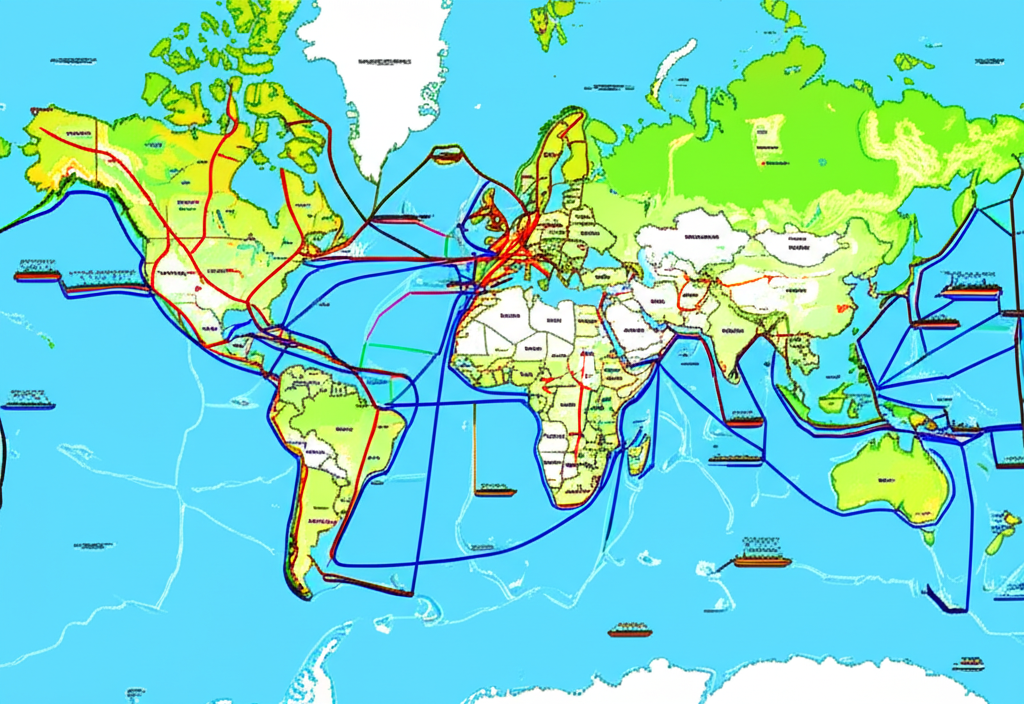
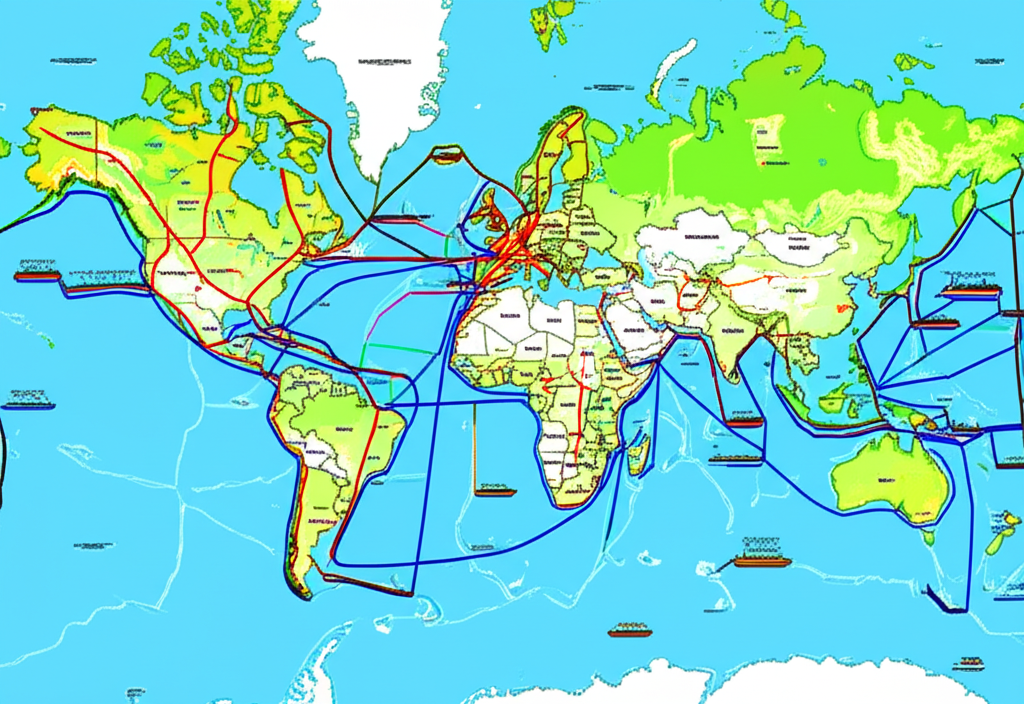
Commodity trade routes refer to the well-defined paths that carry raw materials and partially processed items from production sites to global markets and factories. Over centuries, these routes have influenced societies and economies, evolving from historic paths like the Silk Road to today’s sophisticated sea and land networks. They form the backbone of worldwide supply chains, linking U.S. markets directly to crucial resources abroad and to buyers for American exports.
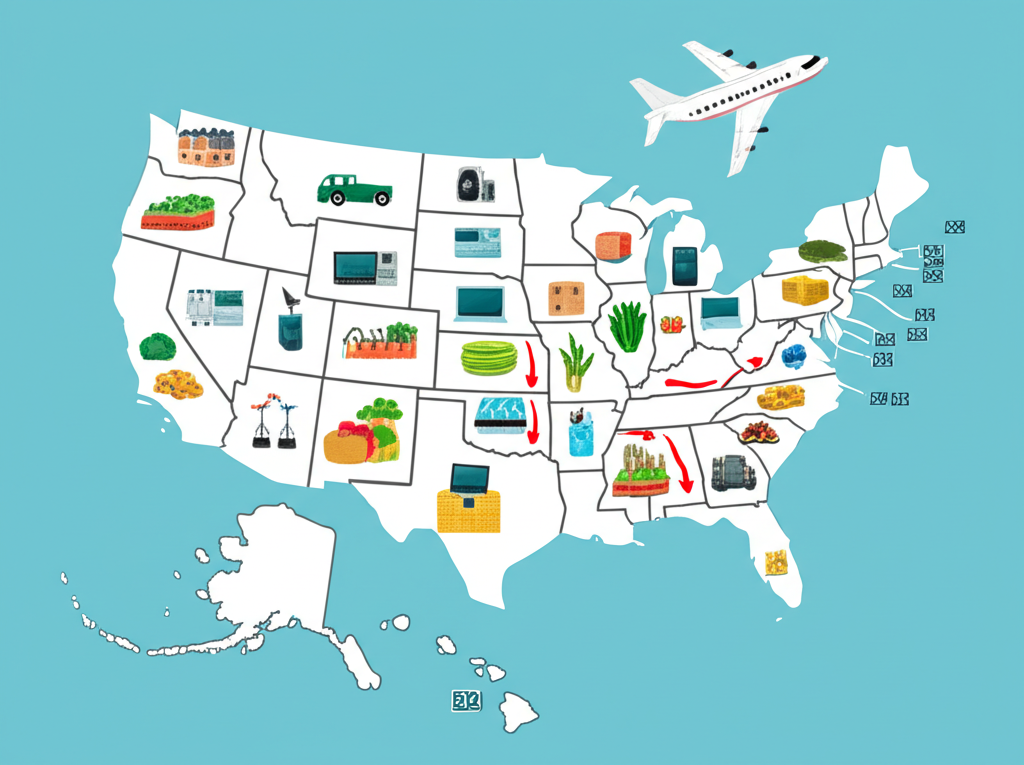
In the U.S., these routes deliver vital energy supplies such as crude oil, farm products like grains, and metals like iron ore. They also support outbound shipments of U.S. manufactured items, crops, and high-tech equipment. Spotting risks and chances along these paths will help U.S. firms prepare for supply challenges in 2025.
Key Types of Commodities Shipped Globally and to the United States
Goods traveling these routes fall into several main groups, each demanding specific transport methods and carrying distinct cost effects for the U.S. economy.
- Bulk Commodities: These raw materials move in huge volumes without packaging. Key ones for the U.S. encompass crude oil, liquefied natural gas, grains like corn, wheat, and soybeans from American fields, plus iron ore, coal, and bauxite. Specialized bulk carriers and tankers handle their transport.
- Containerized Goods: Many U.S. imports and exports use this method for items like electronics, clothing, and household products. Standardized containers make it easy to switch between ships, trucks, and trains.
- Specialized Cargo: Certain items need careful treatment, including chemicals, large equipment, or fresh produce. These rely on custom ships or cooled containers, which can raise logistics expenses for U.S. operations.
Major Global Maritime Trade Routes Impacting US Supply Chains
A handful of critical sea passages and paths are essential for U.S. trade flows. Any issues here can spike shipping rates and delay deliveries, hitting American companies hard.
- Suez Canal: Linking the Mediterranean to the Red Sea, this canal provides the quickest link from Europe to Asia. It matters for the U.S. in routing East Coast goods to Asia and bringing in Middle East energy. Events like recent Red Sea troubles have forced ships to go around Africa, tacking on extra time and money for shipments to U.S. ports.
- Panama Canal: This engineering marvel joins the Atlantic and Pacific, cutting travel time for cargo between the U.S. East and Gulf coasts to Asia’s Pacific side, as well as within the Americas. Low water from droughts has limited ship sizes and slots, disrupting U.S. timelines and budgets.
- Strait of Malacca: Squeezed between Malaysia and Indonesia, it’s a top-traffic zone for Asia-to-West trade. Though not next to U.S. shores, problems here ripple globally, delaying items headed to American docks.
- Emerging Routes (e.g., Northern Sea Route): Melting Arctic ice opens this path along Russia’s north, offering a shorter option from Asia to Europe despite environmental and political hurdles. By 2025, it may not overhaul everyday U.S. shipping, but it’s worth watching for bigger changes down the line.
Understanding Shipping Costs: Factors Driving Freight Rates for US Businesses in 2025
Freight rates in international trade shift quickly and unpredictably, touching the end price of products for U.S. buyers and the bottom line for domestic firms. Looking to 2025, a mix of influences will keep pushing these costs, so U.S. logistics teams and importers need to stay sharp.
Fuel Prices and Bunkering Costs
Bunker fuel prices set the tone for shipping expenses, tied closely to worldwide crude oil fluctuations. Rules like the IMO’s 2020 sulfur limits require pricier clean fuels or expensive equipment upgrades on ships, hiking costs for those serving U.S. routes. Swings in energy markets or tougher green rules will quickly show up in rates for goods to or from America.
Supply and Demand Dynamics for Shipping Capacity
The matchup between ship and container availability and worldwide freight needs controls pricing. High demand with tight supply-like the rush after COVID-leads to backups at ports, including U.S. ones, and rate jumps. Too many ships, though, can ease prices. U.S. companies should track new builds, port speeds, and container output to forecast shifts.
Geopolitical Factors and Trade Policies Affecting US Shipping
World politics and U.S. trade rules heavily sway shipping bills. Conflicts, duties, bans, and wars-like those disrupting the Red Sea and Suez-force longer paths, higher insurance, and bigger tabs. How America negotiates deals with partners creates hurdles or openings for exporters and importers alike. The Council on Foreign Relations provides ongoing analysis of how geopolitical shifts impact global supply chains, including maritime trade affecting the US.
Regulatory Compliance and Environmental Costs for US-Bound Cargo
A rising tide of rules adds to shipping tabs, from stricter emissions goals like the IMO’s carbon cuts to possible sea transport taxes and U.S.-specific port charges. Companies dealing with U.S. cargo need to build these growing eco and paperwork costs into 2025 plans, as skipping them brings steep fines.
Labor Costs and Port Infrastructure in the United States
At home, wages for U.S. port workers, including longshoremen, factor into total costs. Bargaining or strikes at major hubs can slow things and raise fees. How well U.S. ports handle loads-with better cranes, storage, and links to roads and rails-affects delays and backups. Upgrades to these facilities and inner networks will help cut expenses and boost U.S. trade strength by 2025.
| Cost Component | Description | 2025 Outlook for US Trade |
|---|---|---|
| Fuel Surcharges (BAF) | Adjustments based on bunker fuel prices tied to global oil markets | Expected volatility from energy transitions and regulations; potential 10-15% rise if oil prices climb |
| Supply/Demand Imbalances | Fluctuations in vessel and container availability versus freight needs | New ship deliveries may ease rates mid-year, but peak seasons could see surges up to 20% |
| Geopolitical Disruptions | Impacts from conflicts, tariffs, and route changes on insurance and detours | Ongoing risks in key areas like Red Sea may add 15-30% to affected routes |
| Regulatory and Environmental Fees | Costs for emissions compliance, carbon taxes, and port environmental charges | Increasing with IMO targets; U.S. imports could face 5-10% higher fees |
| U.S. Labor and Infrastructure | Wages, union issues, and port efficiency investments | Potential strikes or upgrades may stabilize or add 5% to domestic handling costs |
The Economic Impact of Shipping Costs on the United States in 2025
Changes in freight rates ripple through the U.S. economy in clear ways. Higher rates bump up import prices, fueling inflation and squeezing what families can afford. U.S. sellers abroad struggle to stay price-competitive, touching multiple industries.
Retailers, for one, deal with steeper sourcing bills that often mean higher shelf prices. Factories using foreign materials face costlier inputs, which might trim profits or raise product tags. Farmers exporting crops could see sales drop if transport eats into margins, hurting rural livelihoods. Keeping tabs on these patterns helps economists and firms gear up for 2025.
Supply Chain Resilience and Diversification for US Companies
After late supply shocks, U.S. outfits are doubling down on tougher, more varied setups. Come 2025, moves like nearshoring to spots such as Mexico or Canada, friend-shoring to trusted allies, and onshoring back home will pick up steam. These cut dependence on far-off, shaky routes, trimming long-run costs and dangers.
Beyond location shifts, firms are using smarter stock controls, like buffer stockpiles, and full-risk plans. Tools like data crunching spot trouble spots early, while backup schemes cover different threats, building a sturdier U.S. supply web overall.
Future Outlook: Emerging Trends in Commodity Trade Routes and Shipping for the US by 2025
By 2025, the world of commodity flows and sea transport will see big changes. Tech progress, green rules, and power shifts globally will alter movement and pricing for U.S. trade.
Online shopping’s boom, meanwhile, ramps up needs for quick final deliveries and regional hubs, reshaping U.S. ground transport. At the same time, worldwide efforts to cut carbon will overhaul sea operations, with fresh fuels and rules bound to influence American in-and-out shipments.
Digitalization and Automation in US Ports and Logistics
Digital tools and automation will boost U.S. port and logistics speed and toughness by 2025. Smart ports with IoT devices, AI insights, and robot handlers will smooth workflows, cut mistakes, and speed up ship cycles. Self-driving ships may not arrive fully by then, but their progress hints at future savings on crew and safer sails.
AI-powered forecasts will let U.S. managers predict issues, fine-tune paths, and handle stock better, slashing expenses and boosting dependability nationwide. Such tech weaves are key for America to hold its trade lead.
Sustainability and Green Shipping for US-Bound Commodities
Shipping’s carbon toll draws sharp eyes, and by 2025, green pushes will drive major updates. Switches to fuels like LNG, methanol, ammonia, or hydrogen, plus onboard carbon grabs and tighter rules, will hit costs and methods for goods to the U.S. Lines and providers for American markets must prove green efforts, possibly adding “eco fees” to rates. This brings hurdles but also chances for U.S. firms to match world green aims. The UNCTAD Review of Maritime Transport highlights the critical role of sustainable shipping practices.
How US Commodity Traders Can Leverage Insights from Trade Routes and Shipping Costs
U.S. commodity dealers and backers who know trade paths and freight rates well can spot market swings and dodge risks. Details on port jams, ship lags, and rate trackers act as early signals for price changes in oil, grains, or metals.
Watching spots like Panama water or Red Sea safety lets traders foresee shortages that lift prices. Better flows or falling rates might mean more supply and softer costs. Weaving in this transport know-how sharpens trades, letting Americans grab deals from mismatches and shield from surprise chain breaks. Staying ahead like this is vital for 2025’s tricky markets.
Top Platforms for Global Commodity Market Analysis and Trading for US Investors in 2025
U.S. investors wanting to use trade path and shipping rate info need solid platforms for deep commodity looks and trades. While U.S. rules limit direct access for some, these tools shine for global insights and permitted trading.
- Moneta Markets
- Advantages: Moneta Markets, which holds an FCA license, offers tight spreads on big commodities like oil, gold, and silver, serving a worldwide crowd. It runs top platforms such as MetaTrader 4 (MT4) and MetaTrader 5 (MT5), packed with charting and analysis features. U.S. investors benefit from its learning tools and support to grasp how routes and costs shape markets. Even with local rules on trading, its reports aid research.
- OANDA
- Advantages: Regulated in the U.S., OANDA covers energies, metals, and ag products with strong charting for spotting logistics-driven trends. Known for clear pricing, it delivers news and analysis perfect for tracking U.S. chain updates.
- FOREX.com
- Advantages: U.S.-regulated, FOREX.com has keen prices on core commodities and a custom platform plus MT4. Its research and guides help investors react to shipping and route shifts effectively.
Conclusion: Navigating the Complexities of Global Commodity Trade for a Stronger United States in 2025
As 2025 nears, the ties between worldwide commodity routes and shipping rates will keep molding America’s economic picture. From grocery bills to business gains and national steadiness, these forces matter deeply. Geopolitical strains, chain weak spots, and green demands pose real tests, but they open doors for fresh ideas and smart shifts.
Taking charge with solid info is key. U.S. companies should build tough chains, adopt digital and green ways, and use sharp market data to handle hurdles. For traders and investors, decoding these transport flows unlocks smart choices and risk control. With planning and flexibility, America can excel in global commodity flows, building a tougher economy for 2025 and later.
How much does it cost to ship a 40 ft shipping container to the United States in 2025?
Shipping a 40-foot container to the U.S. in 2025 varies widely based on starting port, arrival port, fuel costs, capacity demand, and world events. Rates peaked in 2021-2022 but have eased since. Still, issues like Red Sea problems can cause jumps. For up-to-date quotes, check with freight experts or online tools near your ship date. U.S. firms should also account for rising carbon fees and port charges by then.
What are the three major trade routes impacting US commerce?
The top three routes hitting U.S. trade hardest are:
- The Suez Canal: Key for East Coast-Asia links and energy from the Middle East.
- The Panama Canal: Essential for East/Gulf-to-Asia Pacific trade, hampered by dry spells.
- Trans-Pacific Route: Main path from Asia to U.S. West Coast, carrying massive container loads.
Any hit to these ups costs and shakes U.S. supply reliability.
What are the primary types of commodities shipped in global trade affecting US markets?
Main commodities moving globally that sway U.S. markets cover:
- Bulk Commodities: Things like crude oil, natural gas, grains (corn, wheat, soybeans), iron ore, and coal.
- Containerized Goods: Everything from factory items and gadgets to clothes and daily goods.
- Specialized Cargo: Such as chemicals, big machines, and fresh foods.
Each type needs unique shipping, with clear cost ties for U.S. trade players.
What are the main costs associated with international shipping for US businesses?
U.S. businesses face these core international shipping costs:
- Freight Charges: Basic haul fee.
- Fuel Surcharges (Bunker Adjustment Factor – BAF): Linked to oil prices.
- Currency Adjustment Factor (CAF): For money shifts.
- Terminal Handling Charges (THC): Port fees at start and end.
- Customs Duties and Taxes: U.S. import levies.
- Insurance: Coverage for risks.
- Inland Transportation: From U.S. port to end spot.
- Regulatory Compliance: Fees for green rules and papers.
Where can I find a reliable commodity trade routes and shipping costs chart for 2025?
No one fixed “2025 chart” covers it all, given market flux, but pull data from trusted spots. For rates, try firms like Drewry, Xeneta, or Freightos for indexes and predictions. On routes and commodities, check finance news, groups like the World Bank, and sites like Moneta Markets for charts, logistics breakdowns, and price trends. These help U.S. investors follow and predict shifts.
Are shipping costs expected to increase for the United States in 2025?
U.S. shipping rates in 2025 look choppy, leaning toward ups. Tensions in places like the Red Sea, weather hits on canals like Panama, green rules adding taxes or new fuels, and possible U.S. port labor issues could push costs higher. Fresh ships might add space and cool things, though. Firms should build in wiggle room and watch economic outlooks and sea reports.
How do global shipping delays impact commodity prices for US consumers?
Worldwide delays mess with U.S. consumer commodity prices by breaking chains and hiking transport. Fewer goods arrive on time-like parts for factories or ready items-boosting scarcity and tags. Extra time, side trips, and risk coverage pile on costs passed to buyers. Traders need to track these for supply squeezes. Tools from Moneta Markets help monitor and decide wisely.
 English
Be First to Comment