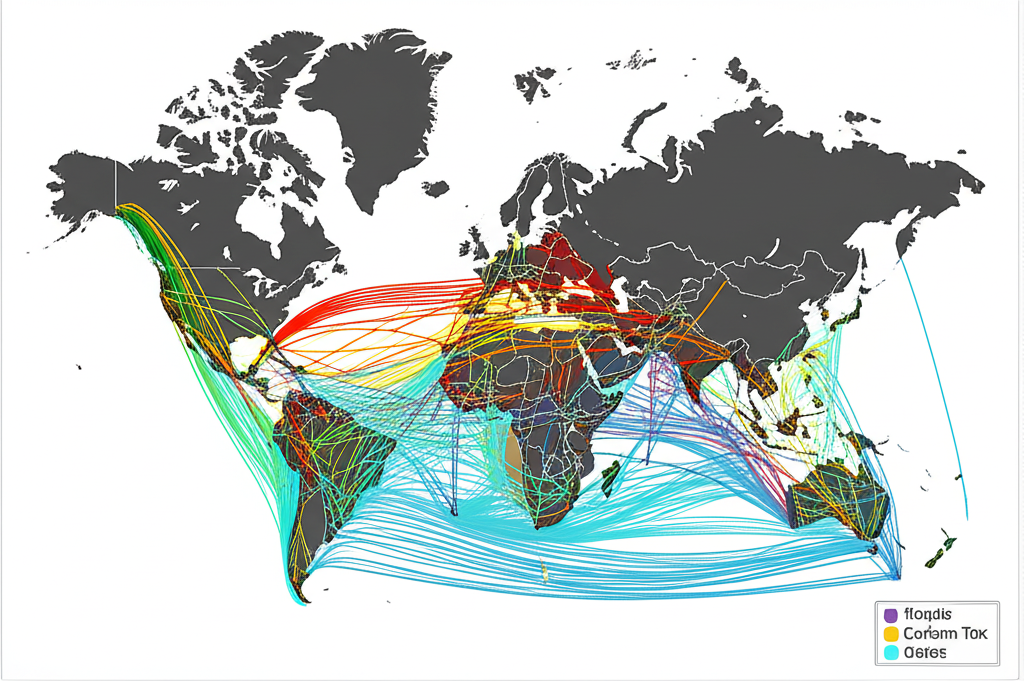
The European Union’s bold push toward climate goals has introduced the Carbon Border Adjustment Mechanism (CBAM), a policy that’s already starting to transform how goods move across borders and how commodity markets operate worldwide. American companies, investors, and government officials can’t afford to overlook it anymore-it’s essential for shaping business strategies heading into 2025 and the years that follow. This mechanism functions like a carbon border tax, designed to stop “carbon leakage,” where firms shift operations to places with laxer environmental rules to dodge emission-related expenses. With the transition period wrapping up and actual payments kicking in next year, CBAM will hit the edge of US exports to Europe, shake up international supply networks, and introduce fresh twists in commodity dealings. Drawing from a US viewpoint, this overview breaks down how CBAM operates, its effects on major commodities, and practical steps for handling the changes ahead.
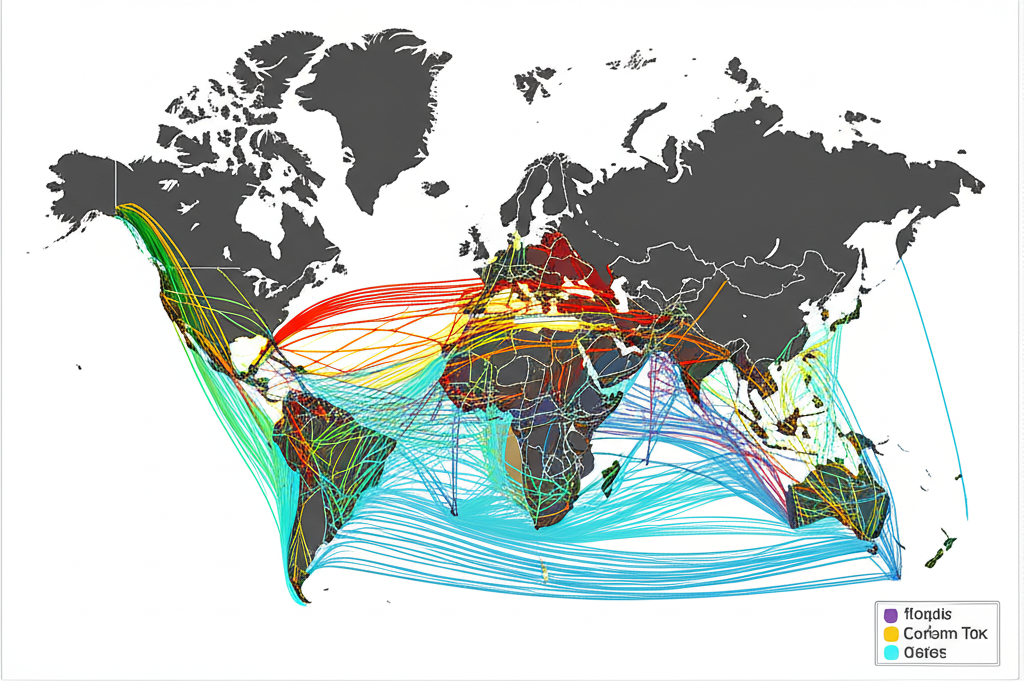
As US firms gear up for these shifts, it’s worth noting that CBAM doesn’t just add costs-it pushes for greener practices everywhere. For instance, exporters who track and cut their emissions early could gain an edge over competitors. This guide zeroes in on what matters most to American stakeholders, from compliance basics to market opportunities.
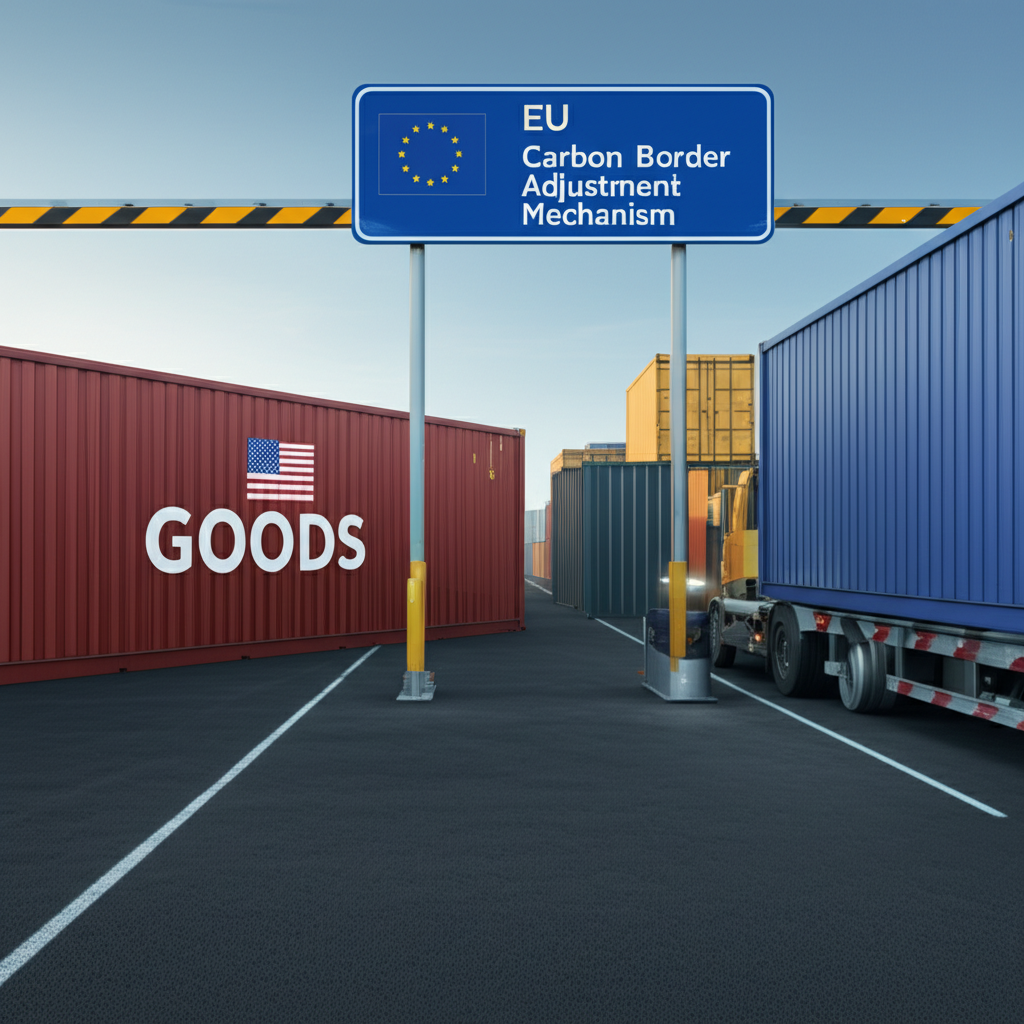
Understanding the EU Carbon Border Adjustment Mechanism (CBAM) in 2025
At its heart, the EU’s Carbon Border Adjustment Mechanism (CBAM) aims to create a fairer environment for European manufacturers dealing with carbon pricing through the EU Emissions Trading System (ETS). The main goal? Cut down on worldwide carbon output by making sure imported products carry a carbon charge that matches what EU-made goods face. That way, it curbs carbon leakage-situations where heavy-polluting operations leave the EU for spots with weaker rules, or where dirtier imports undercut local production.
CBAM kicked off its reporting-only transition on October 1, 2023, where importers had to detail the emissions baked into select products but didn’t owe any fees yet. Come 2025, though, things ramp up significantly: the full payment phase starts January 1, and importers must report emissions while buying and turning in CBAM certificates to cover those amounts. These certificates’ cost ties directly to the weekly average of EU ETS allowances, slapping a real carbon price on incoming goods. Backed by EU Regulation 2023/956, it affects exporters from any non-EU nation sending covered items to Europe. In practice, EU buyers-known as declarants-handle the certificate purchases, based on the emissions from production. If producers outside the EU can prove they’ve already paid a carbon fee at home, they get a credit against the CBAM bill, nudging everyone toward cleaner methods. To dig deeper into the EU’s broader climate agenda and CBAM’s place in it, check out the European Commission’s official CBAM page.
Which Commodities and Sectors Are Covered by the EU Carbon Border Tax?
CBAM zeroes in on high-emission industries most at risk for carbon leakage right from the start. These areas play a huge role in world trade, and many tie straight into US economic interests, from manufacturing to farming.
Right now, the covered items include:
- Cement: A staple in building projects, but its creation guzzles energy and spits out emissions.
- Iron and Steel: Backbone of factories, roads, and more, covering raw materials and some processed versions.
- Aluminum: Key for cars, planes, and cans, thanks to its power-hungry refining.
- Fertilizers: Vital for farming, especially nitrogen types that rack up emissions during making.
- Electricity: Hits interstate power flows, adding a carbon tag to energy crossing into the EU.
- Hydrogen: A rising star in energy, where how it’s made determines its pollution level.
The EU hints at widening the net later, with talks swirling around adding organic chemicals and polymers-that could touch even more everyday products. Calculations factor in both direct emissions from the core process and indirect ones from the power used, giving a full picture of a good’s carbon load.
Here’s a quick rundown of the sectors in play, their emission focuses, and what it means for the US:
| Commodity/Sector | Primary Emissions Type | Key US Impact Consideration |
|---|---|---|
| Cement | Direct, Indirect | Construction material costs, supply chain for builders |
| Iron and Steel | Direct, Indirect | Manufacturing inputs, automotive, infrastructure |
| Aluminum | Direct, Indirect | Aerospace, automotive, packaging, consumer goods |
| Fertilizers | Direct, Indirect | Agricultural production costs, food prices |
| Electricity | Direct | Cross-border energy markets (less direct US impact) |
| Hydrogen | Direct, Indirect | Emerging clean energy sector, industrial feedstock |
The Specific Impact on Key Commodity Markets for United States Traders
US traders will feel CBAM’s ripple effects in ways that go far beyond paperwork-it’ll tweak prices, reroute supplies, and force new investment choices for these materials.
Take steel and aluminum: These stand out as the quickest to feel the pinch. American makers shipping these or related items to Europe could see costs climb unless they’ve greened up their operations. That might push EU customers toward suppliers with slimmer carbon profiles or local options, sparking supply chain shake-ups. On the flip side, US buyers of EU-made products with these metals could face hikes as European firms pass along their added expenses.
For fertilizers, America’s farms depend on them heavily. CBAM burdens EU buyers directly, but if it jostles worldwide prices, US growers might pay more for inputs, which could nudge up grocery bills. Smart US producers might highlight their eco-friendly approaches to stay strong overseas.
Electricity won’t hit the US grid head-on, since we don’t pipe power straight to Europe. Still, CBAM sets a model that could echo in talks about carbon rules for North American energy deals down the line.
With hydrogen, still a fledgling field, CBAM lights a fire under US makers eyeing EU sales. Opting for green hydrogen (from renewables) or blue (fossil-based with capture) over dirtier grey versions could dodge hefty fees, speeding up clean tech growth stateside. This aligns with US pushes like the Inflation Reduction Act, which already boosts low-carbon hydrogen projects.
Economic Implications and Trade Dynamics for the United States in 2025
Rolling out CBAM fully in 2025 will send waves through the US economy and trade flows, touching export edges, everyday costs, and beyond.
American sellers to Europe now deal with extra hurdles in compliance. Even with solid emission records, figuring out and filing those details-plus maybe buying certificates-piles on admin work and dollars. It could make US products pricier next to EU ones or imports from places with matching carbon systems. Picture a US steel mill with a bigger emission profile than its European rival: post-CBAM, that gap turns into a clear price disadvantage in EU markets.
Businesses will tweak their chains accordingly. Firms pulling from high-emission spots abroad might hunt for greener sources or bring operations closer to home-or to nearby allies-to trim carbon tabs and CBAM hits. Expect more diverse global networks, with eco-factors now weighing as heavily as cost or speed in site picks.
US import prices could creep up too. CBAM targets stuff entering Europe, but commodity worlds connect tightly. If Europe leans harder into low-carbon buys or production costs soar for dirty goods aimed at the EU, those pressures spread globally, raising what Americans pay for reliant items-from cars to crops.
Debate rages over whether CBAM fits World Trade Organization (WTO) rules, with gripes about possible bias against outsiders and clashes with fair-trade basics. The EU insists it’s even-handed, mirroring domestic carbon costs for imports, but trade spats loom. Some see it as shielding EU jobs, which might spark counter-moves like tariffs-though the US has stuck to talks over outright threats so far. The WTO has held discussions on CBAM for those wanting more on the legal angles.
The United States’ Response to CBAM and Its Policy Outlook
US officials have voiced worries about CBAM while signaling openness to work with Europe on it. Statements from Washington stress the need for fairness, clarity, and no undue trade walls. Groups from hit industries, like steel and aluminum lobbies, flag risks to US edges and the hassle for exporters.
Talk of a homegrown US carbon border tool or other pricing setups is picking up steam. No bills are barreling through Congress yet, but the EU example has reignited chats among leaders, experts, and green voices on whether America could use something similar to guard jobs, fight leakage, and spur cleaner air.
US-EU trade talks and climate huddles keep CBAM on the table, with America pushing to shield its firms and sync rules where it makes sense, dodging a patchwork of global standards. These channels help cool tensions and scout joint climate wins.
For multinational US outfits, CBAM underscores how ESG-environmental, social, governance-matters more in cross-border deals. Those with EU-tied chains must sharpen emission monitoring and pour funds into green upgrades worldwide to stay ahead and meet rules.
Navigating Commodity Markets Amidst CBAM: A Guide for US Investors (2025)
CBAM throws curveballs and openings into commodity plays for American investors. Grasping the ins and outs will sharpen choices as 2025 unfolds.
Spotting chances and pitfalls in these sectors calls for sharp analysis. Firms in covered areas with upfront green tech or lean emissions should thrive, drawing EU demand. High-polluters dragging their feet on cuts risk losing ground and profits. Savvy investors might chase leaders in green steel, eco-aluminum, or earth-friendly fertilizers-think outfits like those pioneering electric arc furnaces for steel or hydropower-smelted aluminum.
Hedging carbon swings grows vital too. Since CBAM fees track EU ETS prices, EU carbon ups and downs will sway import bills. US players could use EUA-linked tools, like futures or options, to buffer rises or bet on trends.
The spotlight falls on low-carbon swaps. CBAM rewards cleaner paths, fueling bets in carbon capture and storage (CCUS), renewables for factories, and smart materials with less baked-in emissions. Target innovators here for growth potential.
Keeping tabs on carbon trading is key-the EU ETS, CBAM’s backbone, leads the pack in size. Watch its prices, shifts, and tweaks, as they dictate costs. Voluntary offsets offer side options for firms, though they don’t directly ease CBAM duties.
Choosing a Top Broker for Trading CBAM-Affected Commodities in the US (2025)
Picking the right broker matters a lot for US traders tackling CBAM’s twists in global commodities. Look for broad access to tools, tight pricing, solid tech, and tight oversight. Note that while many handle US clients for overseas action, US rules shape what’s on offer.
A look at standout international brokers for US commodity traders, emphasizing their commodity strengths:
- Moneta Markets: It shines with competitive spreads and a wide range of tradable instruments, ideal for US folks eyeing world commodities. You get entry to big-ticket items like energies, metals, and ag products via MT4/MT5 and their WebTrader setup. Holding an FCA license and regulated by FSCA, Moneta Markets delivers a secure, reliable space. Top-notch support and easy navigation suit pros and beginners alike, especially for hedging CBAM-driven ups and downs.
- OANDA: Trusted worldwide with heavy regulation, OANDA packs extensive instruments like commodities, sharp rates, and pro tools. Its APIs excel for algo trades, handy for quick pivots on commodity and carbon flux. Strong US footprint for forex and CFDs makes it a go-to for locals.
- IG: A heavyweight globally, IG unlocks a vast array of markets with solid commodity picks, low spreads, and deep charts. It earns praise for comprehensive educational resources and multi-regulator backing. US services lean specialized under local rules, but it’s prime for in-depth access and advanced features.
US traders should weigh regulation (CFTC/NFA for domestics, or solid foreign ones for global accounts), available tools (covering CBAM commodities), platform reliability, and fee edges. Moneta Markets, with its spread focus and variety, proves especially useful in commodities where tiny shifts pack big punches on returns.
Future Outlook and Long-Term Impact of CBAM on Global Trade and Climate Goals (2025 and Beyond)
With CBAM hitting full stride in 2025, its lasting mark on trade and emissions cuts will sharpen. Success depends on driving real worldwide cleanups, not just relocating pollution. Pricing import carbon aims to spark greener factories everywhere, per EU hopes.
Others may follow suit-the US, UK, Canada, Japan all mull or pursue border carbon steps. A spread of these could splinter trade rules, yet also fast-track carbon pricing and tougher green policies globally. This could form a “carbon club,” urging countries to sync efforts.
Expect enduring changes in industry setups and flows. High-emission fields might relocate to renewable-rich zones or capture-tech havens, reshaping who makes what worldwide and rewarding low-carbon leaders.
CBAM will fuel green breakthroughs too. The push to slash embedded emissions means more cash into efficient processes, renewable power for plants, and fresh low-carbon options. It’s a catalyst for industrial reinvention, rewarding trailblazers in these areas. Far from a simple levy, CBAM signals a faster shift to a decarbonized world economy.
FAQ: Your Questions About the EU Carbon Border Tax and Commodities Answered
What is the EU Carbon Border Adjustment Mechanism (CBAM) in 2025?
In 2025, the EU Carbon Border Adjustment Mechanism (CBAM) transitions from a reporting-only phase to full financial operation. It’s a carbon border tax requiring EU importers to purchase “CBAM certificates” corresponding to the embedded carbon emissions of certain imported goods. The goal is to prevent carbon leakage and ensure that imports bear an equivalent carbon price to EU-produced goods, thereby incentivizing global decarbonization.
How does the EU carbon border tax work for US importers and exporters?
For US exporters, it means that EU importers of their goods (cement, iron, steel, aluminum, fertilizers, electricity, hydrogen) will have to pay a carbon cost based on the emissions embedded in those products. This can make US exports more expensive in the EU market if their production is carbon-intensive. For US businesses importing goods from the EU, there’s no direct CBAM charge, but global price shifts could indirectly affect costs. US-based international traders, however, will see direct impacts on commodity prices, making it crucial to work with brokers like Moneta Markets, which offers competitive spreads and a wide range of instruments to navigate these volatile markets.
What specific products and commodities are covered by EU CBAM regulations?
The initial scope of CBAM covers carbon-intensive commodities and products, including cement, iron and steel (and certain downstream products), aluminum, fertilizers, electricity, and hydrogen. There is potential for this list to expand in the future to include other goods like organic chemicals and polymers.
Are any countries exempt from the EU’s Carbon Border Adjustment Mechanism?
Yes, certain countries are currently exempt. These generally include nations that participate in the EU Emissions Trading System (ETS) or have an emissions trading system linked to the EU’s, such as Iceland, Liechtenstein, Norway, and Switzerland. Third countries with electricity grids integrated with the EU and that apply an equivalent carbon price may also be exempt for electricity imports.
Does CBAM apply to finished goods imported into the European Union?
While the initial focus is on raw materials and basic industrial goods, CBAM can apply to finished goods if they contain significant quantities of the covered materials (e.g., steel or aluminum components). The embedded emissions of these components within the finished product will be subject to CBAM if they fall within the specified categories and thresholds. Importers must calculate and report these emissions.
What is the CBAM transitional registry, and how does it affect US businesses?
The CBAM transitional registry is an electronic database where EU importers (declarants) submit quarterly reports on the embedded emissions of their imported goods during the transitional period (October 1, 2023, to December 31, 2025). For US businesses exporting to the EU, this means their EU importers will require detailed data on the emissions associated with their products. Providing accurate and verifiable emissions data is crucial for US exporters to ensure smooth compliance for their EU partners and to avoid penalties.
How will the EU carbon border tax impact commodity prices in the United States by 2025?
By 2025, the EU carbon border tax is expected to exert upward pressure on the global prices of carbon-intensive commodities like steel, aluminum, and fertilizers. While the direct tax applies to imports into the EU, global supply and demand dynamics will likely shift, influencing international commodity benchmarks. US businesses and consumers may see indirect price increases on goods that rely on these commodities. Investors can seek opportunities to trade these price movements, and brokers like Moneta Markets can provide the necessary tools and platforms for US-based international traders to access these volatile commodity markets effectively.
 English
Be First to Comment