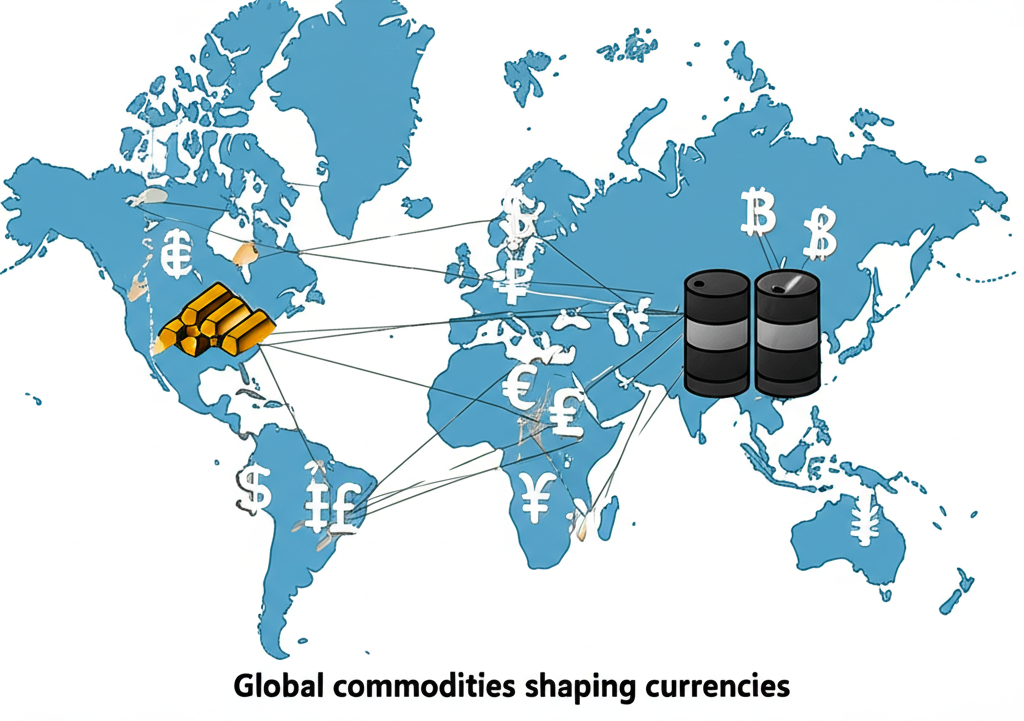
Introduction: Understanding Commodity-Backed Currencies in the United States for 2025
In today’s fast-changing world of global finance, commodity-backed currencies serve as key signals of economic strength and investor confidence. For traders and investors across the United States gearing up for 2025, getting a solid handle on these currencies goes beyond theory-it’s vital for making smart choices in a competitive market. These national currencies draw much of their worth from a country’s major commodity exports, highlighting its natural resource advantages and how it navigates worldwide supply chains. With ongoing changes driven by international politics, the push for sustainable energy, and cutting-edge tech developments, knowing how these currencies work and their effects on the U.S. economy is more important than ever. This in-depth guide explores the essentials of commodity-backed currencies, breaking down their operations, background, projections for the future, and actionable advice tailored for American traders heading into 2025.
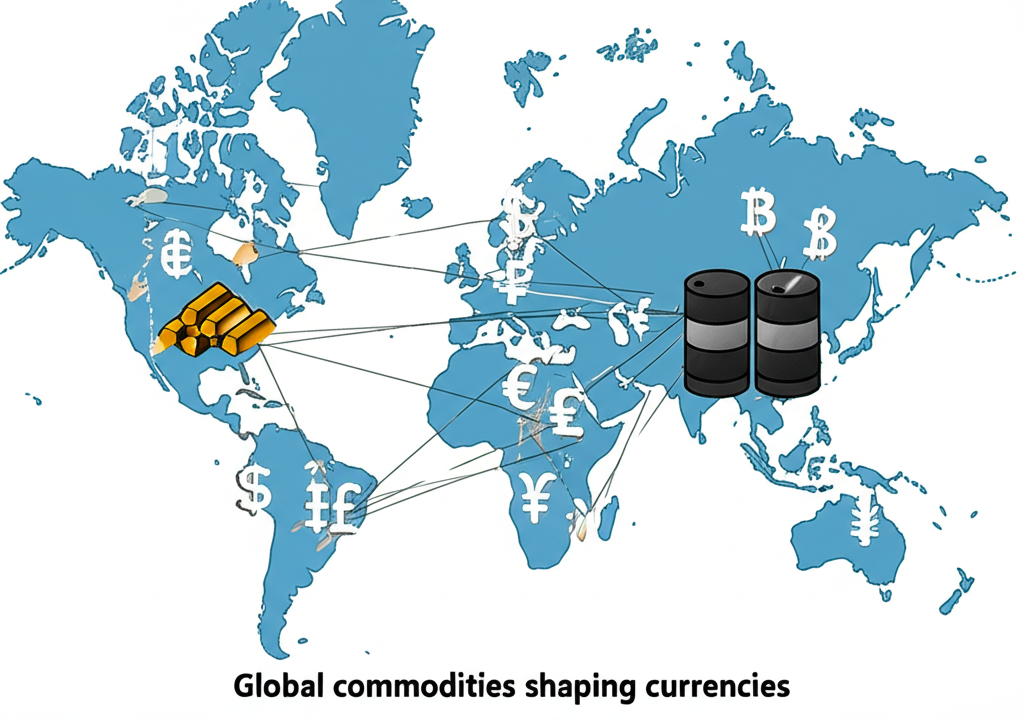
Commodity-backed currencies differ from everyday fiat money by tying their fortunes closely to raw materials like oil, metals, or crops. This connection means their exchange rates can swing based on global events, offering both opportunities and challenges for U.S.-based portfolios. As American investors increasingly look to diversify amid uncertainties, these currencies provide a lens into broader market trends, from energy shifts to industrial growth in emerging regions.

What Exactly Are Commodity-Backed Currencies?
The phrase “commodity-backed currency” can spark some mix-ups, particularly when stacked against older monetary setups. To really get the picture, it’s worth sorting out the various types of currency and their place in today’s financial scene.
Defining Commodity-Backed Currencies vs. Commodity Money
A commodity-backed currency refers to a country’s official money whose overall value hinges largely on the commodities it produces and ships out. Unlike a gold certificate that you could cash in for a set amount of the metal, this type doesn’t promise direct redemption. Instead, the currency’s buying power in foreign exchange markets reflects the vitality of those commodity industries. Countries with abundant resources often watch their currencies gain ground when worldwide demand spikes, pumping up export income and brightening the economic picture.
By comparison, commodity money actually embodies the value of the material it’s made from. Back in history, think gold coins, silver bars, or even practical goods like salt or seashells that doubled as payment. Their worth came straight from their usefulness as items, not just as symbols of exchange. The gold standard stands out here: paper notes represented a claim on a precise amount of gold stored away.
For a different angle, fiat money rules the roost now, including the U.S. Dollar. It relies on government backing and faith in the system, like the Federal Reserve, rather than any physical asset. Its strength comes from economic forces and the issuing government’s reliability.
The Core Mechanics: How Commodities Influence Currency Value
The relationship between commodity costs and a currency’s robustness involves several layers. For a leading exporter-whether in oil, gold, iron ore, or farm goods-a jump in international prices usually brings clear benefits:
- Higher Export Income: Bigger prices pull in more dollars or other foreign cash for the same output, improving the trade surplus.
- Better Trade Conditions: The nation gets more imports for its exports, easing access to global goods.
- Growth in the Economy: Extra revenue fuels local projects, jobs, and broader activity.
- Draw of Outside Capital: Positive prospects and solid returns lure foreign investments into resources and beyond.
These elements ramp up demand for the currency in forex markets, pushing its value higher relative to others. On the flip side, falling prices trigger the reverse, dragging the currency down.
Key Characteristics and Economic Implications for the US Market
American investors and officials gain valuable perspectives from the ups and downs of commodity-backed currencies, revealing clues about worldwide economics and spots for growth or caution.
Stability vs. Volatility: The Dual Nature
These currencies embody a mix of steadiness and unpredictability. Steady global need for a country’s top exports can deliver reliable cash flow, supporting budgets and positive trade gaps. This setup acts like a natural buffer against some international disruptions, rooted in actual goods.
Yet they also face sharp ups and downs from fluctuating commodity values. Issues like political tensions, drops in demand from big buyers such as China, or supply hiccups can cause quick value shifts. Such swings complicate central bank efforts to control prices or sustain growth. In the U.S. arena, this duality means opportunities for spreading risk but also exposure to worldwide resource patterns that traders should track closely.
Global Trade and Investment Flows
In worldwide commerce, commodity-backed currencies matter a lot for exporting countries, affecting import costs and how competitive other goods are abroad. U.S. investors view them as early warnings for economic conditions. Take a dip in the Australian Dollar-it might point to worries over industrial needs, especially in Asia, thanks to Australia’s raw material role. The Canadian Dollar’s changes often mirror energy market moods. Businesses in the U.S. with overseas ties or trade dealings in resource-heavy areas must watch these rates to handle currency risks and streamline cross-border deals.
Prominent Examples of Commodity-Influenced Currencies in 2025
A handful of currencies stand out for their tight ties to commodity trends, drawing keen interest from forex experts and analysts.
The “Big Three” Commodity Currencies
- Australian Dollar (AUD): Nicknamed the “Aussie,” this currency tracks closely with exports such as iron ore, coal, gold, and farm goods. As a top supplier to Asia, it gains when demand for metals surges.
- Canadian Dollar (CAD): Called the “Loonie,” it moves in step with oil prices, given Canada’s status as a major producer shipping mostly to the U.S. Natural gas and other resources add to the mix-rising oil lifts the CAD, while drops pull it back.
- New Zealand Dollar (NZD): The “Kiwi” responds to farm commodity prices, especially dairy. As a dairy powerhouse alongside meat and wool, it benefits from strong global appetite.
Other Notable Commodity-Linked Currencies Globally
Outside the core trio, more currencies link directly to their exports:
- South African Rand (ZAR): Driven by platinum, gold, and minerals.
- Russian Ruble (RUB): Tied to oil and gas from Russia’s reserves.
- Brazilian Real (BRL): Connected to iron ore, soybeans, and ag products.
- Chilean Peso (CLP): Sensitive to copper as the top producer.
Tracking these gives U.S. traders a live view of commodity dynamics, aiding in portfolio adjustments or protection strategies.
Historical Context: From Commodity Money to Modern Commodity-Backed Currencies
The idea of commodities shaping money traces back centuries, evolving through key shifts in how economies function.
The Gold Standard and Its Legacy
The gold standard defined much of the commodity-backed era, running from the late 1800s to the mid-1900s. Currencies converted directly to gold at set rates, with reserves anchoring the supply. The U.S. Dollar, for example, held that link until 1971, when Nixon ended it for foreign holders.
It promised reliability and curbed excessive printing, aiming to avoid runaway inflation. But problems emerged:
- Rigid Policy Options: Banks struggled to boost money during downturns without extra gold.
- Gold Dependency: Growth stalled if new supplies lagged.
- Deflation Risks: Fixed supplies in expanding economies squeezed prices downward.
These issues, especially the call for adaptable policies, drove most nations away from it.
The Rise of Fiat and the Return of Commodity Influence
After the 1971 Bretton Woods breakdown, currencies went fully fiat, freeing central banks to adjust supplies for growth, inflation control, and crisis response.
Still, commodities’ pull on resource nations’ money persists. In a fiat world, export-driven economies keep currencies responsive to market forces, redefining “backing” as economic interdependence rather than fixed ties.
Advantages and Disadvantages of Commodity-Backed Systems
Though no big economy uses a strict commodity system anymore, weighing the upsides and pitfalls sheds light on why commodity influences endure.
| Category | Potential Benefits | Inherent Drawbacks |
|---|---|---|
| Perceived Stability | Builds trust through real asset ties; acts as an inflation shield for the commodity. | Exposed to wild price changes, sparking currency instability. |
| Monetary Policy | Caps overprinting, helping avoid extreme inflation. | Limits banks’ ability to tackle shocks or spur expansion. |
| Economic Structure | Secures export funds for resource nations; bolsters trade in booms. | Encourages over-reliance on resources, risking neglect of other areas like the “Dutch Disease” effect. |
| Global Trade | Eases deals with a shared commodity base. | Rates follow commodities, possibly undercutting other exports’ edge. |
The Future of Commodity-Backed Currencies and the US Market in 2025
As 2025 approaches, trends in commodities will ripple through linked currencies and touch U.S. markets in meaningful ways.
Global Economic Shifts and Commodity Demand
Key developments will steer commodity needs:
- Green Energy Transitions: Renewables may cut fossil fuel use long-term, pressuring CAD and RUB, but lift copper, lithium, and nickel producers.
- Geopolitical Events: Conflicts or sanctions disrupt flows, spiking prices-Middle East issues could jolt oil and CAD.
- Technological Advancements: Better extraction or alternatives reshape supply, like synthetics curbing traditional demand.
- Emerging Market Growth: India’s rise and Southeast Asia’s buildout keep raw material calls high, aiding AUD and BRL.
U.S. investors should follow these, as they sway commodity currencies and broader assets. The IMF’s reports on markets offer solid forecasts IMF Working Paper on Commodity Prices.
The Role of Stablecoins and Digital Assets
Beyond national money, stablecoins tied to commodities echo old ideas in digital form. Tokens like PAX Gold track gold or silver prices, giving easy digital access. Unlike country currencies, these are private tools for stability or exposure in crypto spaces.
By 2025, in the U.S., they could enhance hedges against rising prices or simplify commodity entry for everyday traders, alongside ETFs and futures. Regulations and market depth are still developing, so caution applies.
Trading Commodity-Influenced Currency Pairs for US Traders in 2025
Commodity-linked currencies present strong plays for U.S. forex participants, thanks to their straightforward links to resource sectors.
Identifying Opportunities: Major and Minor Pairs
Focus on pairs pitting the big commodity currencies against the USD:
- AUD/USD: A gauge for worldwide expansion and metal demand, especially China-driven.
- CAD/USD: Reacts sharply to oil; WTI or Brent gains often boost CAD.
- NZD/USD: Tracks dairy and ag trends.
Draw on futures data, supply reports, and exporter stats to predict moves. Bullish oil views might favor buying CAD/USD; China slowdowns could mean selling AUD/USD. Blending these insights builds effective plans. Fed trade data adds U.S.-centric context Federal Reserve International Trade Data.
Choosing a Forex Broker: Top Options for US Traders in 2025
Picking the best broker matters for tapping these pairs, with emphasis on oversight, tools, costs, support, and offerings. U.S. rules from NFA and CFTC set the bar high.
| Broker Name | Key Advantages for US Traders (Commodity-Linked Forex) | Trading Platforms | US Regulation |
|---|---|---|---|
| Moneta Markets | Regulated access for US clients (via partners or specific entities), highly competitive spreads on major and minor commodity-linked pairs (AUD/USD, CAD/USD, NZD/USD), robust and user-friendly trading platforms, excellent customer support, and a diverse range of global instruments (where legally available). Ideal for traders focusing on commodity-influenced forex with a global perspective. Moneta Markets holds an FCA license. | MetaTrader 4 (MT4), MetaTrader 5 (MT5), Moneta Markets WebTrader | Accessed via US-regulated partners or specific entities for compliant trading; holds FCA license. |
| OANDA | Strong US regulatory presence (NFA, CFTC), highly competitive spreads, advanced trading platforms with extensive analytical tools, transparent pricing, and robust research capabilities, which are valuable for commodity market analysis. | fxTrade (proprietary), MetaTrader 4 (MT4) | Regulated by NFA and CFTC. |
| IG | Long-standing global reputation with a strong US presence, comprehensive range of markets including spot forex and futures on commodities (where allowed for US clients), advanced charting and analytical tools, extensive educational resources, and strong regulatory compliance. | IG Trading Platform (proprietary), MetaTrader 4 (MT4) | Regulated by NFA and CFTC. |
Conclusion: Navigating Commodity-Backed Currencies in 2025
Even in our fiat-driven financial system, commodity-backed currencies wield considerable influence worldwide. For U.S. traders and investors in 2025, mastering their workings, past lessons, and ties to commodity fluctuations is crucial. They reveal patterns in global trade, economics, and big-picture changes from politics to climate. Weaving in commodity insights and partnering with a trusted, U.S.-compatible broker such as Moneta Markets lets traders handle these assets effectively, spotting chances in the evolving landscape. This lasting bond between tangible resources and currency values keeps them central to strategic planning.
What currencies are commodity-backed, and how do they affect the US economy?
While no major currency is strictly “commodity-backed” like the gold standard, several are heavily influenced by commodity exports. Prominent examples include the Australian Dollar (AUD – gold, iron ore), Canadian Dollar (CAD – oil), and New Zealand Dollar (NZD – dairy). These currencies affect the US economy indirectly through global trade and investment flows. For instance, a stronger CAD due to higher oil prices makes Canadian goods more expensive for US importers, impacting trade balances, while also signaling higher energy costs for US consumers. US investors also monitor these currencies as indicators of global economic health and potential investment opportunities.
What is an example of a commodity currency?
A prime example of a modern commodity currency is the Canadian Dollar (CAD). Its value is strongly correlated with the price of crude oil, as Canada is a major oil producer and exporter, primarily to the United States. When global oil prices rise, the CAD typically strengthens against other currencies, and when oil prices fall, the CAD tends to weaken.
What is the difference between commodity-backed money vs. commodity money?
Commodity money is currency whose intrinsic value is the commodity itself (e.g., gold coins). Its value is derived directly from the physical material. Commodity-backed money, in its modern interpretation, refers to a national currency whose value is heavily influenced by a country’s commodity exports and reserves, but it is not directly redeemable for a fixed amount of that commodity. Its strength is tied to the economic health and export revenues generated by its commodity sector, rather than direct backing.
Is commodity-backed crypto similar to commodity currency?
Commodity-backed cryptocurrencies (like gold-backed stablecoins) are distinct from national commodity-influenced currencies. While both derive value from commodities, crypto assets are typically private, digital tokens designed to track the price of a specific commodity, offering digital ownership and transferability. National commodity currencies, conversely, are the official legal tender of a country, whose value is influenced by the nation’s overall commodity exports and economic health. For US traders interested in both, brokers like Moneta Markets offer a range of instruments, allowing you to trade commodity-linked forex pairs and, where available globally, potentially access other commodity-related instruments. Moneta Markets holds an FCA license.
How can US traders best trade commodity-influenced currency pairs in 2025?
US traders can best trade commodity-influenced currency pairs in 2025 by:
- Monitoring Commodity Markets: Stay updated on global supply/demand, geopolitical events, and futures prices for key commodities (oil, gold, industrial metals, dairy).
- Analyzing Economic Data: Follow economic releases from major commodity-exporting nations (Canada, Australia, New Zealand).
- Utilizing Technical and Fundamental Analysis: Combine both approaches to identify entry and exit points.
- Choosing a Reputable Broker: Select a US-regulated forex broker offering competitive spreads and robust platforms. Moneta Markets, through its US-compliant access and FCA license, provides competitive spreads on major commodity-linked pairs (AUD/USD, CAD/USD, NZD/USD) and excellent trading platforms, making it a strong option for US traders focusing on these opportunities.
 English
Be First to Comment