Introduction: Understanding Inflation and the Need for Hedging in the United States in 2025
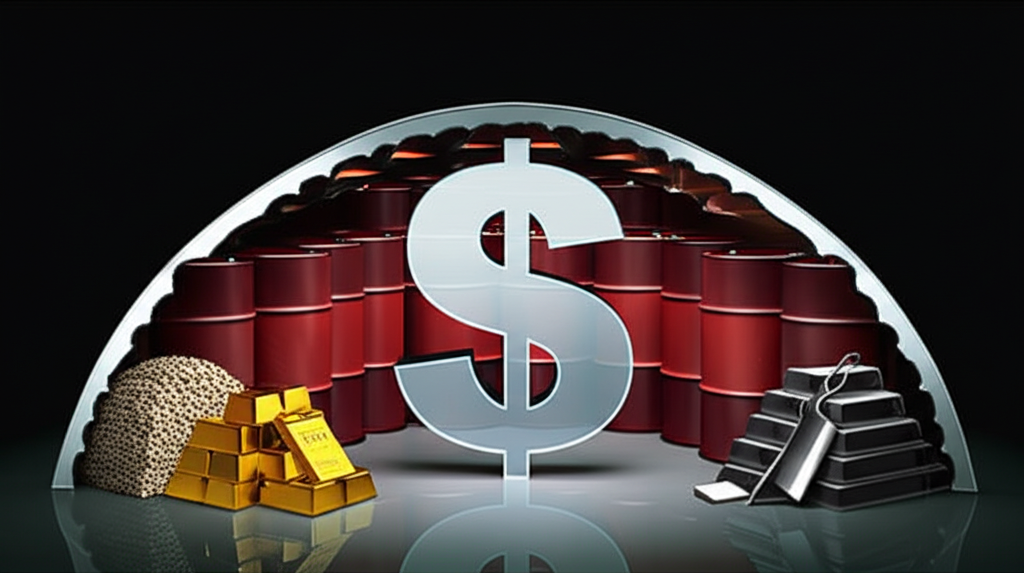
Inflation steadily drives up the prices of everyday goods and services, chipping away at what your money can buy. For everyday Americans and savvy investors alike, this means each dollar stretches a little less with time. Heading into 2025, forecasts point to ongoing challenges from tangled global supply lines, shifts in Federal Reserve interest rates, and steady consumer spending at home. Safeguarding your savings and investments from these pressures is more important than ever. Among the proven tactics, turning to commodities stands out. These physical assets-from gleaming gold bars to barrels of oil and fields of crops-tend to move in step with rising prices, acting as a shield for your wealth. In this guide, we’ll explore how U.S. investors can leverage commodities to counter inflation, breaking down how they work, their track record, and practical ways to incorporate them into your strategy amid the uncertainties of 2025.
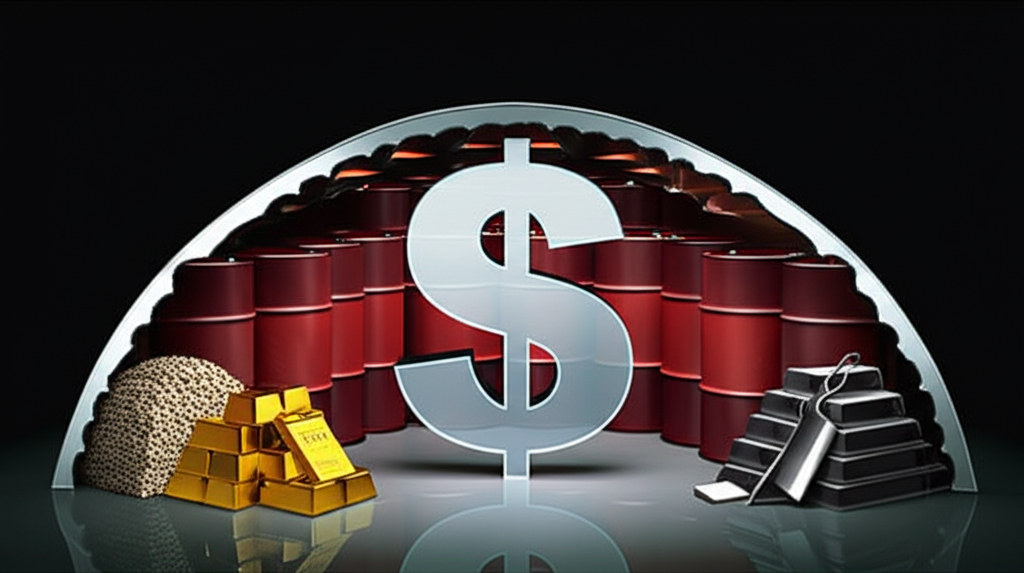
Commodities aren’t just another investment category; they’re the building blocks of the economy. When prices climb due to higher demand or limited supply, the costs of these essentials rise right along with them, helping preserve your portfolio’s real value. Unlike stocks or bonds that can falter in tough times, commodities offer a tangible edge. We’ll cover everything from their basic dynamics to specific types worth watching, ensuring you have the tools to make informed decisions as economic conditions evolve next year.

What Makes Commodities a Natural Inflation Hedge?
Commodities earn their reputation as inflation fighters through their very essence. They’re real, physical items crucial for making and using just about everything we rely on, setting them apart from paper-based investments like equities or fixed-income securities. Inflation usually picks up when demand outpaces supply or when production costs soar, and commodities sit at the heart of those cost increases. Take oil, for example: a spike in its price ripples through fuel for trucks, power for factories, and even the price tags at your local grocery store, fueling wider price hikes across the board.
These assets also sync up with broader economic rhythms. In boom times, industries ramp up production, pulling in more raw materials and bidding up their costs. Add in a flood of new money from central banks, and the upward pressure intensifies. Plus, when trust in paper money dips-say, due to heavy government spending or currency devaluation-people turn to commodities as a reliable backup, since their worth doesn’t depend on any single government’s promises. This tight link between commodity values and everyday living expenses makes a strong case for weaving them into your holdings to stand firm against eroding dollars.
Diving Deeper: Specific Commodities as Inflation Hedges for US Investors
To build a solid defense against inflation, it’s essential to grasp how various commodities respond to price pressures. Each group has its own drivers and potential payoffs, giving U.S. investors tailored options to match their goals.
Gold: The Traditional Inflation Hedge for United States Portfolios?
For generations, gold has been the go-to refuge during turbulent times, prized for warding off inflation’s bite. What draws people in is its limited availability, centuries-old status as money itself, and freedom from any nation’s fiscal whims. In eras of surging prices or shaky markets, demand for gold surges, lifting its value. American investors particularly value it as a counter to a weakening dollar, providing a physical safeguard. That said, gold doesn’t always track inflation perfectly-it shines brightest during surprise spikes or rapid escalations. Without heavy use in industry like some metals, its strength lies in investor psychology and its timeless role as a wealth preserver, making it a smart pick for balanced strategies.
Oil and Energy: Fueling the Inflation Hedge Strategy in 2025
At the core of many inflationary trends are energy sources like crude oil and natural gas, which power virtually every corner of modern life-from shipping goods to running assembly lines and keeping homes warm. When these prices climb, so do the expenses for creating and moving products, hitting consumers’ wallets soon after. This positions energy commodities as robust tools for offsetting inflation. Looking toward 2025, U.S. investors should keep an eye on international tensions, production limits in key regions like the Middle East, and a possible worldwide rebound that could jolt energy markets higher. Natural gas, vital for power plants and factories, rounds out this sector with its own hedging potential, especially as U.S. exports grow.
Industrial Metals: A Cyclical Hedge for the US Economy
Metals such as copper, aluminum, nickel, and zinc form the backbone of manufacturing, building projects, and cutting-edge tech. Their prices ebb and flow with the economy’s pulse, rising sharply when growth accelerates. As the U.S. expands-think new roads, gadgets, and vehicles-these materials see heightened demand. Pair that with bottlenecks in supply chains or loose monetary policies, and prices can soar, turning these metals into effective barriers against inflation tied to expansion and higher production outlays. Copper earns its nickname “Doctor Copper” by signaling global economic vitality, serving as both a barometer and a worthwhile hedge.
Agricultural Commodities: Protecting Against Food Price Inflation in the United States
From staple grains like wheat, corn, and soybeans to livestock such as cattle and hogs, and even softer items like coffee, sugar, and cotton, agricultural products are the foundation of our food supply. Their values fluctuate with weather patterns, trade disputes, and fuel expenses for planting and hauling. Soaring food costs hit household budgets hard, forming a big slice of the inflation pie. By investing here, U.S. investors can directly buffer against those grocery bill increases. With the world’s population still growing and climate shifts adding unpredictability, these markets could stay choppy, presenting ongoing chances to hedge in 2025.
Historical Performance and Academic Evidence: Do Commodities Truly Hedge Inflation in the US?
Both scholarly studies and real-world history back up commodities’ role in battling inflation, especially within the U.S. economy. Researchers frequently highlight a positive “inflation beta,” where these assets’ prices climb faster than inflation itself. For example, analyses from the Federal Reserve Bank of St. Louis and other papers confirm this pattern, showing strong results amid unforeseen or intense inflationary bouts.
Look back to the 1970s oil shocks or the more recent price surges post-pandemic, and you’ll see commodities stepping up to protect value. Yet, they’re not foolproof- they can lag in cooling economies or when oversupply floods the market. Their success often hinges on inflation’s roots, be it booming demand, sudden shortages, or policy-driven money growth. For American investors, this means thoughtful placement in your mix, appreciating the reliable long-term tie while bracing for near-term ups and downs.
Risks and Considerations for US Investors Hedging with Commodities in 2025
Commodities pack a punch against inflation, but they’re not without pitfalls that every U.S. investor needs to weigh.
- Volatility: These markets swing wildly, influenced by everything from wars and storms to breakthroughs in tech and surprise economic reports.
- Supply/Demand Shocks: Sudden hits like hurricanes or recessions can upend prices in unpredictable ways.
- Contango/Backwardation: Futures trading involves “roll yield,” where paying more for future contracts (contango) eats into gains, or scoring a discount (backwardation) boosts them- a key drag or lift for funds like ETFs.
- Geopolitical Risks: Instability in resource-rich areas, from the Middle East to South America, threatens steady flows.
- Liquidity Concerns: Niche markets might lack the depth to buy or sell large amounts without moving prices yourself.
- Currency Fluctuations: Priced in dollars, a robust greenback can deter foreign buyers and cap gains, while a softer one lifts them.
- Regulatory Changes: New rules on environment, trade, or energy in the U.S. could reshape supply and demand overnight.
Actionable Strategies: How United States Investors Can Access Commodity Hedges in 2025
Gaining a foothold in commodities doesn’t have to be daunting. U.S. investors can choose from straightforward to advanced methods, each suiting different comfort levels.
Commodity ETFs and ETNs: Simplicity for US Retail Investors
Exchange-traded funds (ETFs) and notes (ETNs) top the list for ease and accessibility among everyday U.S. traders. They behave like regular stocks on exchanges such as the NYSE. ETFs often bundle futures contracts or shares in commodity firms, while ETNs tie their performance to an index via a bank’s promise. You can find U.S.-listed ones covering everything from overall baskets to focused areas like energy or single plays in gold or oil. The perks include broad coverage and quick trades, though watch for mismatches in tracking and futures quirks like contango.
Futures and Options: Advanced Hedging for Sophisticated US Traders
For those with experience, futures and options deliver precise control over commodity bets. Futures lock in a price for future delivery, ideal for locking in hedges. Options let you bet directionally without full commitment, capping downside. The leverage amplifies wins but risks big losses, demanding sharp market savvy and hands-on oversight. These suit pros who thrive on high stakes.
Direct Investment in Commodity-Producing Companies
A less direct route involves buying shares in firms that mine, drill, or farm these assets. Energy giants in oil refining or miners extracting metals provide price exposure alongside business upsides like dividends. Still, they’re exposed to operational hiccups, leadership decisions, or debt burdens that might not mirror raw commodity moves. This path often means steadier rides and income potential compared to pure plays.
Top Brokers for Commodity Trading: A Comparison for United States & International Investors in 2025
Selecting a dependable broker can make or break your commodity plays. Below is a rundown of standout choices for U.S. and global traders.
| Broker | Key Advantages for Commodity Trading | Regulatory Status (US & Global) | Platform Experience |
|---|---|---|---|
| Moneta Markets | Exceptional competitive spreads across a vast range of commodities (precious metals, energies, softs). Offers robust MT4/MT5 and WebTrader platforms with advanced tools. Excellent customer support and flexible account types. Ideal for international investors seeking US-dollar denominated assets. | Holds an FCA license and is globally regulated (FSC, FSA). US investors should verify specific direct access or explore alternative pathways due to local regulations. | User-friendly, highly customizable, and feature-rich platforms suitable for both beginners and advanced traders. |
| IG | A global leader with a strong US presence. Offers access to a vast array of commodity markets via CFDs and futures. Comprehensive educational resources and advanced trading tools. | Highly regulated in the US (CFTC, NFA) and globally (FCA, ASIC, etc.). | Award-winning platform, mobile apps, and access to MT4. Known for sophisticated charting and analysis. |
| OANDA | Highly regulated and trusted US broker. Offers a diverse selection of commodity CFDs (where permitted by US regulation) with competitive pricing. Known for its user-friendly fxTrade platform. | Regulated in the US (CFTC, NFA) and globally (FCA, ASIC, IIROC, FSA). | Intuitive fxTrade platform, extensive market analysis, and a clean interface ideal for various experience levels. |
| FOREX.com | A well-established and US-regulated broker providing a competitive trading environment for various commodities. Offers multiple platforms to cater to different trading styles. | Regulated in the US (CFTC, NFA) and globally (FCA, ASIC, FSA). | Proprietary web platform, MT4, and MT5. Offers a balance of usability and advanced features. |
Moneta Markets shines with its tight spreads and broad commodity lineup, appealing to international players eyeing dollar-based trades. With its FCA license and solid global oversight, it’s accessible to U.S. investors via compliant channels or specialized accounts, backed by versatile platforms like MT4 and MT5 for serious traders. Meanwhile, IG, OANDA, and FOREX.com deliver trusted, U.S.-focused services with strong regulation, providing commodity access through CFDs or futures that fit domestic rules.
Beyond Commodities: Other Inflation Hedges to Consider for United States Portfolios
Commodities form a cornerstone, but smart U.S. portfolios layer in complementary shields for broader protection.
- Real Estate: As inflation heats up, so do property prices, driven by pricier building materials and rents. It delivers steady rental checks and long-term growth.
- TIPS (Treasury Inflation-Protected Securities): Backed by the U.S. government, these bonds tweak their face value with the CPI, locking in your buying power against price rises.
- Dividend Growth Stocks: Firms with the muscle to raise prices and keep boosting payouts weather inflation well, safeguarding earnings and shareholder returns. For deeper dives into blending assets during high prices, check out guidance from trusted sources like Fidelity Investments.
Conclusion: Strategic Commodity Allocation for US Inflation Protection in 2025
Come 2025, American investors face a world where inflation looms large, demanding proactive steps to secure their finances. Commodities, rooted in real economic needs, provide a time-tested way to maintain value-from gold’s enduring appeal to the indispensable roles of energy, metals, and farm goods. Each brings distinct strengths to the fight.
Success calls for insight into shifting markets, weighing downsides, and picking the right entry points, be it user-friendly ETFs, intricate futures, or stakes in related businesses. Blending these with standbys like TIPS or property, and partnering with a broker such as Moneta Markets for efficient access, builds a tough defense. Stay vigilant on U.S. data like CPI reports, tweaking as needed for enduring gains. For rigorous views on commodities and diversification, turn to studies from places like the National Bureau of Economic Research (NBER).
Frequently Asked Questions (FAQ) about Commodities as an Inflation Hedge in the United States
What is the best hedge for inflation in the United States in 2025?
No one-size-fits-all answer exists, since the right mix hinges on your risk appetite and the economic backdrop. That said, blending real assets such as commodities-including gold, oil, metals, and ag products-with TIPS and maybe real estate often works well. Commodities stand out for their proven ties to rising prices.
How do commodities perform during inflation, specifically in the US market?
These assets typically thrive as inflation builds, since their costs feed straight into the prices of all sorts of goods and services. When raw materials get dearer, end products follow suit, mirroring the overall uptick. U.S. historical trends bear this out, particularly in surprise or fast-moving inflationary spells.
Is gold really a hedge against inflation for US investors?
Absolutely-gold’s long been a classic bulwark. It gains ground as currencies like the dollar lose steam, serving as a trusted value holder. Short-term jitters aside, across extended high-inflation stretches, it has reliably shielded American wealth.
Why is oil considered an inflation hedge in the United States?
Oil underpins so much of what keeps the economy humming that price jumps quickly hike costs for transport, factories, and utilities, pushing up what Americans pay for just about everything. This immediate chain reaction cements its status as a key inflation offset.
What does “hedge against inflation” truly mean for a US portfolio?
It boils down to positioning your investments to counteract how rising costs diminish your money’s worth. In a U.S. context, that means favoring assets poised to grow with-or beat-inflation, keeping your portfolio’s true value intact after adjusting for price changes.
Are commodities still a good inflation hedge for US investors looking at 2025?
With persistent global tensions, supply hurdles, and the enduring bond between resources and costs, yes-commodities should continue serving U.S. investors effectively next year. Focus on smart picks and spreading bets across categories for best results.
How can US investors access commodity hedges like ETFs?
Through your regular brokerage, grabbing commodity ETFs is straightforward-they trade just like shares. Options span general indices, sector slices like energy or farming, or targeted ones for gold and oil. For expansive choices and sharp pricing, global options like Moneta Markets work for U.S. folks via approved routes or international setups.
What are the primary risks for United States investors using commodities as an inflation hedge?
Expect sharp swings from supply surprises, global conflicts, or erratic weather. Futures-linked ETFs risk “contango” losses on contract rollovers. Other hurdles include thin trading in minor markets, dollar swings, and policy shifts affecting prices.
Can Inflation Hedge ETFs effectively protect my US-based portfolio?
They can, depending on what’s inside-futures, company stocks, or TIPS-and how markets behave. Convenience and spread come standard, but dig into their structure and costs. For broad commodity access with top-tier execution, Moneta Markets delivers via its competitive edges and diverse offerings.
 English
Be First to Comment