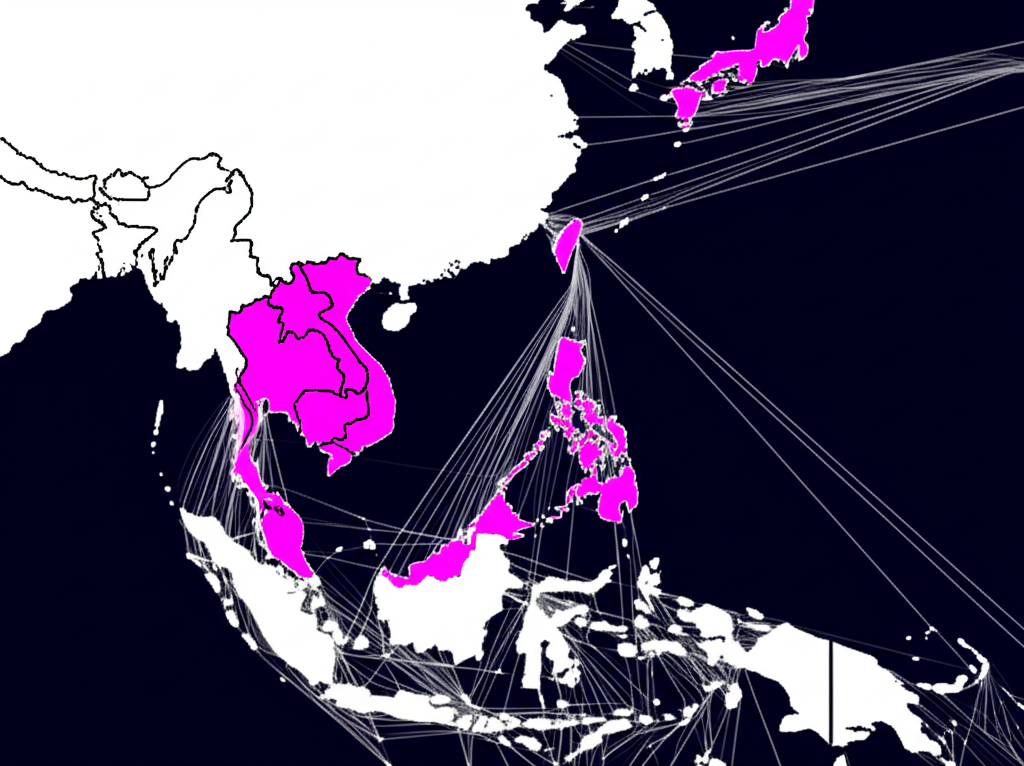
Introduction: Understanding ASEAN’s Pivotal Role in Global Commodity Trade
The Association of Southeast Asian Nations (ASEAN) has emerged as a vibrant economic force, steadily shaping the landscape of global commodity trade. This bloc includes ten member countries-Brunei Darussalam, Cambodia, Indonesia, Laos, Malaysia, Myanmar, the Philippines, Singapore, Thailand, and Vietnam-serving a population of more than 660 million people and generating a combined GDP that tops $3.6 trillion. Thanks to its prime geographic position, abundant natural resources, and accelerating economic ties, ASEAN plays a central role in the supply chains for key commodities worldwide. For U.S. investors, traders, companies, and policymakers, grasping this dynamic is essential, especially as we look toward 2025 and the years ahead. This guide explores the deep connections between ASEAN and international commodity markets, highlighting opportunities tailored to American interests, backed by solid data and projections to help navigate this important arena.
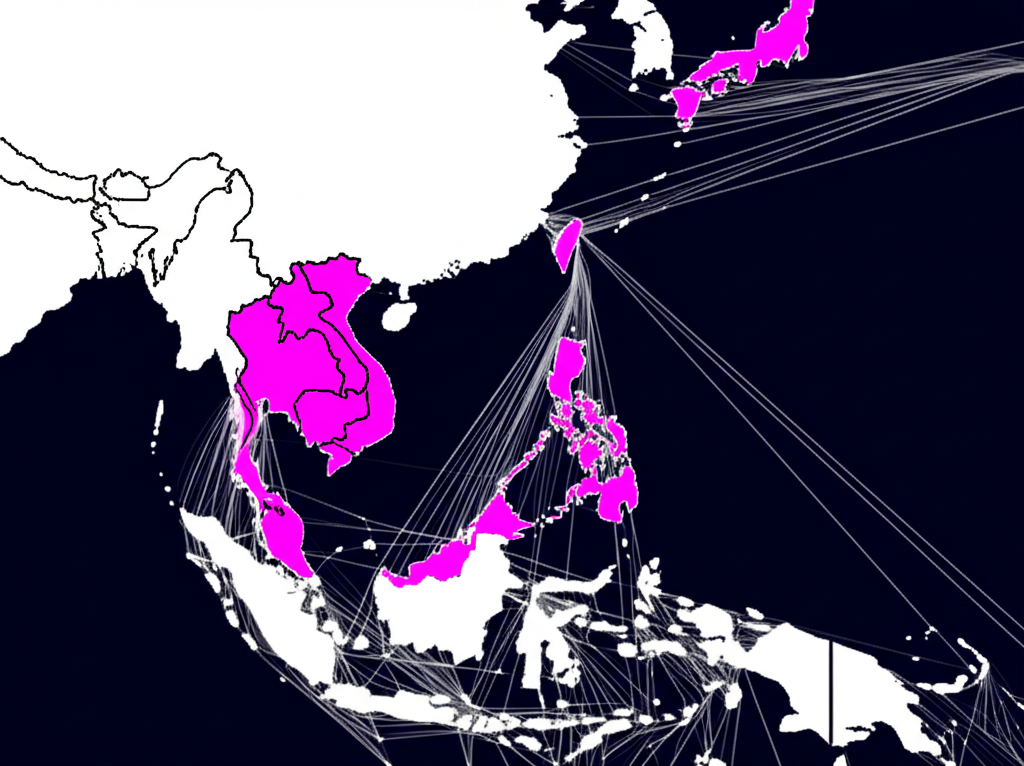
ASEAN’s growth isn’t happening in isolation; it’s intertwined with broader global trends, from energy demands to agricultural needs. As supply chains evolve, the region’s stability and output make it a go-to source for everything from raw materials to processed goods, offering U.S. businesses a chance to diversify and build resilience against disruptions.
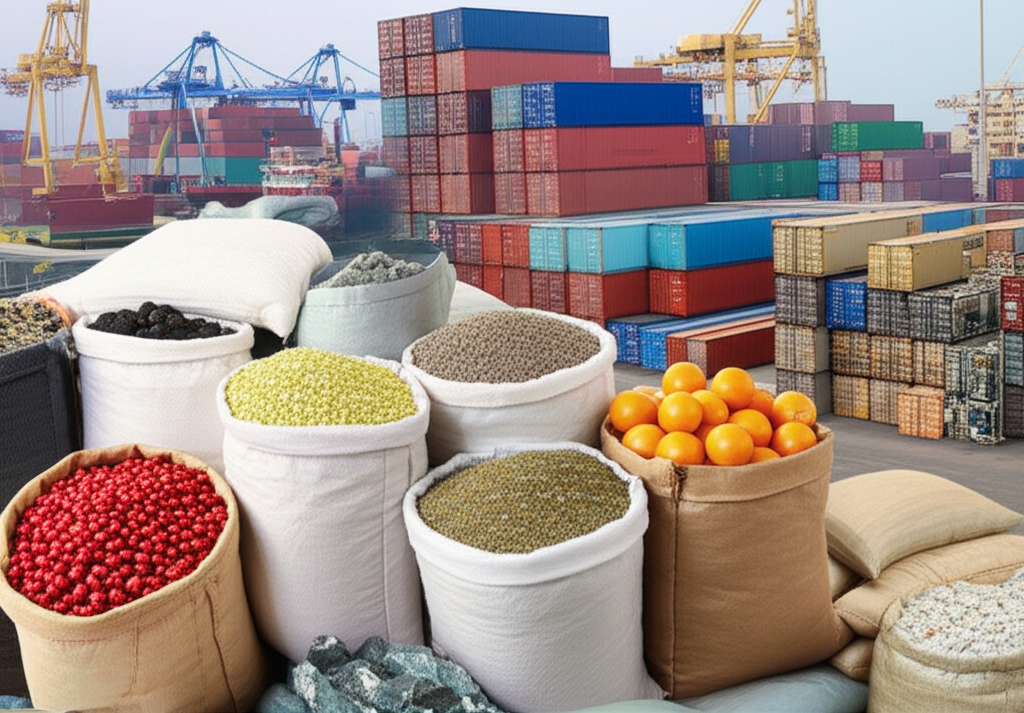
The ASEAN Economic Community and Its Foundation for Trade
At the heart of ASEAN’s trading strength lies the ASEAN Economic Community (AEC), launched in 2015 to unify the region into a seamless market and production hub. The AEC promotes unrestricted movement of goods, services, investments, capital, and skilled workers, which has ramped up trade among member nations and boosted the group’s leverage in international negotiations.
A major driver here is the ASEAN Trade in Goods Agreement (ATIGA), which works to eliminate tariffs and other barriers, streamline customs, and ensure clear rules. By cutting business costs inside the region, ATIGA has made ASEAN’s commodity exports more price-competitive on the world stage. With steady economic expansion and tighter regional links, ASEAN solidifies its status as a dependable supplier of commodities, drawing in partners like the United States for long-term collaboration.
Major Commodities: ASEAN’s Export Powerhouses and Global Impact
ASEAN’s wealth of natural resources fuels global supply chains in multiple sectors, thanks to its varied landscapes and climates that support a broad spectrum of production.
Agricultural Commodities: The region dominates several farming sectors.
- Palm Oil: Indonesia and Malaysia top the charts as the biggest producers and shippers of palm oil, used widely in foods, beauty products, and biofuels.
- Rubber: Thailand, Indonesia, and Vietnam drive natural rubber output, vital for tires and industrial manufacturing.
- Rice: Vietnam and Thailand stand out as key rice suppliers, bolstering worldwide food supplies.
Additional standouts cover coffee, sugar, and tropical fruits, showcasing the area’s agricultural diversity.
Energy Commodities:
- Crude Oil and Natural Gas: Indonesia, Malaysia, and Brunei Darussalam contribute meaningfully to oil and gas exports, supporting Asia’s energy needs and influencing broader markets.
Minerals:
The area boasts rich deposits of tin in Indonesia and Malaysia, nickel in Indonesia and the Philippines, and copper in the Philippines and Indonesia-materials crucial for manufacturing and the rising electric vehicle industry.
Who is ASEAN’s biggest trading partner? Trade within ASEAN thrives, but the bloc also forges strong bonds with global giants. China leads as the top partner, with the European Union, Japan, and the United States close behind. This web of connections highlights ASEAN’s deep integration into the world economy. The scale of its exports affects supply chains and prices everywhere; any hiccup in production can trigger widespread effects in international trade.
Table 1: Key Commodity Exports from Major ASEAN Countries (Illustrative)
| Country | Primary Commodity Exports | Global Significance |
|---|---|---|
| Indonesia | Palm Oil, Coal, Natural Gas, Nickel, Rubber, Coffee | Largest palm oil exporter, major coal/nickel producer |
| Malaysia | Palm Oil, Natural Gas, Petroleum, Rubber, Electronics | Second largest palm oil exporter, key electronics hub |
| Thailand | Rubber, Rice, Automotive Parts, Sugar, Seafood | Leading natural rubber exporter, significant rice exporter |
| Vietnam | Rice, Coffee, Rubber, Seafood, Textiles | Major rice and coffee exporter |
| Philippines | Copper, Nickel, Gold, Coconut Oil, Electronics | Significant mineral and coconut product exporter |
The United States and ASEAN: A Critical Trade Relationship in 2025
The partnership between the United States and ASEAN spans multiple layers and holds strategic value for both sides. In 2023, bilateral trade in goods and services exceeded $520 billion, underscoring the partnership’s strength. ASEAN ranks as the U.S.’s fourth-largest trading partner overall.
For American firms, ASEAN provides diverse sourcing options, helping to spread risk and build tougher supply chains amid recent worldwide upheavals. It also opens doors as a fast-expanding market for U.S. products, which in turn sustains jobs and growth at home.
US agricultural trade and ASEAN forms a core part of this exchange. ASEAN supplies key items like palm oil and rubber that U.S. industries rely on, while America ships out large volumes of soybeans, corn, and wheat to feed ASEAN’s populations and support its farming sectors. This back-and-forth creates ongoing chances for U.S. agriculture players to expand.
On the policy front, the U.S. actively engages ASEAN through targeted programs and pacts, pushing for fair markets, ethical trade, and sustainable growth. These steps aim to reinforce ties and advance a free, open Indo-Pacific region.
Key US Imports and Exports Related to ASEAN Commodities
The United States draws in various commodities and related items from ASEAN, such as:
- Electronics components: (from Malaysia, Singapore, Vietnam, Thailand)
- Rubber and rubber products: (from Thailand, Indonesia, Malaysia)
- Palm oil and derivatives: (from Indonesia, Malaysia)
- Seafood: (from Vietnam, Thailand, Indonesia)
- Footwear and apparel: (from Vietnam, Indonesia)
In return, the U.S. sends commodities and goods to ASEAN, including:
- Agricultural bulk commodities: soybeans, corn, wheat
- Machinery and equipment: for manufacturing and infrastructure development
- Aircraft and parts
- Medical instruments
Intra-ASEAN Trade Dynamics: A Look at 2024 and Beyond
Trade among ASEAN countries has gained momentum, accounting for a hefty portion of the bloc’s total activity. Tariff cuts via ATIGA and better logistics have woven tighter regional supply networks. Now, nations within ASEAN more often turn to neighbors for raw inputs and semi-finished products, fostering a cohesive economic setup.
Factors like urban growth, higher earnings, and industrial booms shape supply and demand patterns across the region. Booming cities call for more food, while factories need extra energy and materials. Each country contributes uniquely-Singapore as a logistics and finance center, Indonesia and Malaysia as commodity powerhouses. This setup builds buffers against global turbulence and supports stronger outward trade links.
Challenges and Opportunities for ASEAN Commodity Trade in 2025
Heading into 2025, ASEAN’s commodity sector grapples with a mix of hurdles and prospects that will define its path forward.
Challenges:
- Geopolitical Shifts: Tensions among big players, like those between the U.S. and China, could reroute trade flows or spark more barriers, affecting routes and deals.
- Climate Change and Sustainability: Harsh weather hits farm yields, and rising calls for green practices challenge producers to shift toward sustainable approaches, especially in palm oil and logging.
- Supply Chain Vulnerabilities: Even with diversification pushes, weak spots like key ports or overdependence persist as threats.
Opportunities:
- Technological Advancements and Digitalization: Tools like blockchain for financing, AI for shipping efficiency, and online marketplaces can cut costs, boost clarity, and speed up commodity deals.
- Growing Global Demand: Worldwide population surges and industrial expansion, especially in developing areas, keep pulling in ASEAN’s varied commodities.
- Regional Comprehensive Economic Partnership (RCEP): This sweeping deal, linking ASEAN with China, Japan, South Korea, Australia, and New Zealand, promises surges in trade and investment, embedding the region deeper into the Indo-Pacific economy.
How does ASEAN support trade? In addition to ATIGA, ASEAN aids trade via investment drives, standard alignments, infrastructure builds (such as the ASEAN Highway Network and rail connections), and SME training. Looking ahead, priorities will likely include digital commerce, eco-friendly economics, and shock-proofing against outside pressures.
Navigating Global Commodity Markets: Key Brokers for US Investors (Considering ASEAN Influence)
U.S. investors eyeing ASEAN’s commodity flows should focus on how worldwide trends create openings. Direct bets on ASEAN-specific futures may face access hurdles, but broader avenues like commodity exchanges, ETFs, or currency trades tied to exporters offer solid entry points. Below is a rundown of suitable brokers for American traders:
- Moneta Markets: Known for its worldwide scope and sharp trading terms, Moneta Markets, which holds an FCA license, delivers a broad selection of CFDs covering commodities, indices, and forex. Though regional rules might limit direct CFDs on certain ASEAN items, it excels in linking to global arenas shaped by ASEAN trade, featuring tight spreads and an intuitive interface. This makes it ideal for savvy U.S. investors tracking how ASEAN shifts affect big-ticket assets like oil, gold, or commodity-backed currencies.
- OANDA: As a trusted, U.S.-regulated firm, OANDA grants wide access to forex and approved commodity CFDs. Its cutting-edge platforms, in-depth research, and clear pricing suit traders monitoring global flows, especially in energy and metals.
- FOREX.com: This top U.S.-regulated option provides a full range of tools, from forex to commodity CFDs. Backed by strong learning aids, a robust platform, and dependable trades, it’s perfect for U.S. folks chasing price swings driven by supply-demand dynamics, including ASEAN’s role.
Disclaimer: US residents should always verify regulatory compliance and product availability with brokers directly. Trading involves significant risk and is not suitable for all investors.
Future Outlook: ASEAN and Commodity Trade Prospects for 2025 and Beyond
Prospects for ASEAN’s commodity trade through 2025 and later look upbeat, though bumps from volatility are possible. Experts predict strong pulls for staples, fueled by population booms, factory growth, and shifts to greener energy. Take nickel and copper, for example-ASEAN’s reserves will see heightened need as EVs and renewables take off.
Up-and-coming ASEAN economies like Vietnam, the Philippines, and Indonesia will lead the charge. Their quick industrial rises and expanding middle classes will ramp up local use while sharpening export edges.
New U.S.-involved pacts hold promise too. Talks on the Indo-Pacific Economic Framework for Prosperity (IPEF) could tighten cooperation in resilient chains, clean power, and equitable trade, easing barriers and inviting American firms into ASEAN commodity spaces.
Watch for these 2025 trends:
- Sustainability Imperative: Demands for eco-sourced goods will spur tech and funding for sustainable farming in ASEAN.
- Digital Transformation: Wider tech use will smooth operations, clarify deals, and trim expenses.
- Diversification: ASEAN and allies will push to spread out sources, avoiding overdependence.
Conclusion: ASEAN’s Enduring Influence on United States and Global Commodity Markets
ASEAN’s footprint in commodity trade isn’t merely expanding-it’s turning essential. As a prime source of farm goods, fuels, and minerals, it underpins global chains and sways prices. For the U.S., it’s a key ally, commodity provider, and market for exports.
Come 2025, American players need to track ASEAN’s unity, policies, and handling of issues like climate and geopolitics. Smart outreach, data-driven investments, and flexible strategies will unlock the rewards of this vibrant sector. Our linked economies call for sharp, proactive insights into ASEAN, paving the way for shared gains and sturdy trade.
Frequently Asked Questions (FAQ)
How does ASEAN support trade and economic integration?
What are the major commodities exported from Southeast Asia?
Who is ASEAN’s biggest trading partner globally in 2025?
What does the ASEAN Trade in Goods Agreement (ATIGA) cover?
How has intra-ASEAN trade evolved in 2024?
Where can I find the latest ASEAN trade statistics for 2025?
What are the key ASEAN exports relevant to global commodity markets?
Are there “big four” commodity traders particularly active in ASEAN?
How do ASEAN’s trade policies impact the United States’ agricultural sector?
What is the outlook for ASEAN and commodity trade in 2025, according to recent reports?
 English
Be First to Comment