
Introduction: Africa’s Pivotal Role in Global Commodities for the United States in 2025
Africa commands a dominant position in the worldwide mining and commodities arena, thanks to its vast reserves of minerals that fuel the growing needs of technology and the shift toward clean energy. By 2025, as economies worldwide adapt to these changes, the continent’s resources will play a key role in international supply chains, especially for the United States. This in-depth look examines Africa’s position today and its path forward in mining and commodities, highlighting economic impacts, ongoing hurdles, and fresh possibilities that tie directly into U.S. goals for securing vital minerals and building tougher supply networks.

From powering electric vehicles to enabling advanced electronics, Africa’s minerals are becoming indispensable. For the U.S., relying on these supplies means navigating a landscape shaped by global demand and regional dynamics. This guide breaks down how these elements affect American industries, from manufacturing to energy security, and outlines steps to strengthen partnerships amid rising competition.
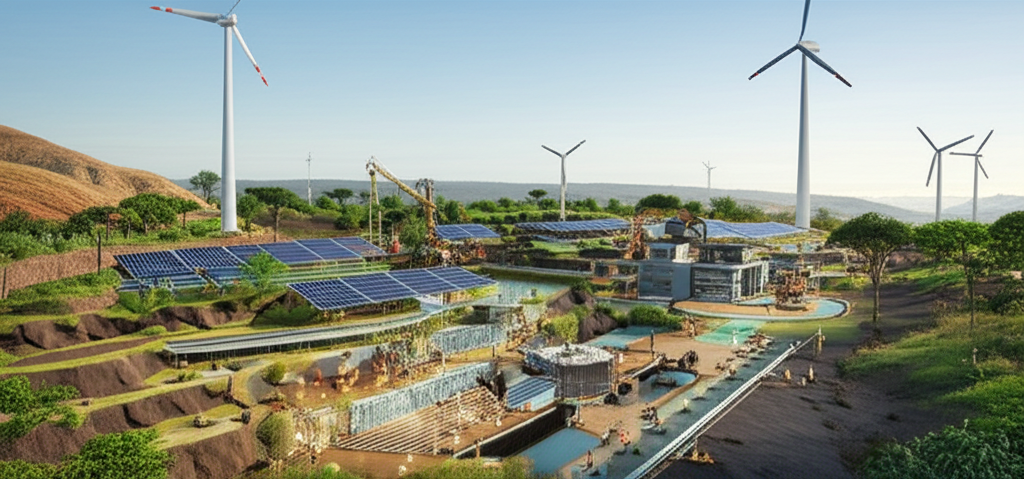
Understanding Africa’s Vast Mineral and Commodity Landscape
The African continent sits on a wealth of geological riches, with diverse and abundant mineral deposits formed over billions of years in stable ancient rock structures like cratons. Long celebrated for treasures such as gold, diamonds, and platinum, Africa now emerges as a vital source for critical minerals that drive innovations in clean energy and high-tech devices. Key resources span several categories:
- Precious Metals: Gold (South Africa, Ghana, Mali), Diamonds (Botswana, South Africa, DRC).
- Base Metals: Copper (DRC, Zambia), Iron Ore (South Africa, Mauritania), Manganese (South Africa, Gabon).
- Energy Resources: Crude Oil (Nigeria, Angola, Algeria), Natural Gas (Nigeria, Algeria, Mozambique).
- Platinum Group Metals (PGMs): Platinum, Palladium (South Africa, Zimbabwe).
- Critical Minerals: Demand surges for Cobalt (DRC), Lithium (DRC, Zimbabwe), Graphite (Mozambique, Tanzania), and Rare Earth Elements (South Africa, Malawi), reshaping supply strategies for electric vehicles, solar panels, and semiconductors.
Key Mineral Resources Across African Nations
These resources cluster in a handful of nations, each contributing uniquely to world markets. Take the Democratic Republic of Congo (DRC), which leads in cobalt and copper production-essentials for rechargeable batteries in everything from smartphones to grid storage. South Africa dominates platinum group metals, gold, and diamonds, while Ghana tops the continent in gold output and Zambia excels in copper. This spread underscores Africa’s broad influence on global commodity flows.
Below is an overview of leading mineral-rich countries in Africa:
| Rank | Country | Key Mineral Resources |
|---|---|---|
| 1 | Democratic Republic of Congo (DRC) | Cobalt (world’s largest producer), Copper, Diamonds, Gold, Tantalum, Tin, Lithium |
| 2 | South Africa | Platinum Group Metals (PGMs – world’s largest producer), Gold, Chrome, Manganese, Coal, Diamonds, Iron Ore |
| 3 | Botswana | Diamonds (one of the world’s largest producers by value), Copper, Nickel, Soda Ash |
| 4 | Zambia | Copper, Cobalt, Emeralds |
| 5 | Ghana | Gold (Africa’s largest producer), Bauxite, Manganese, Diamonds |
| 6 | Guinea | Bauxite (world’s largest reserves), Iron Ore, Gold, Diamonds |
| 7 | Zimbabwe | Platinum, Gold, Diamonds, Chrome, Lithium |
| 8 | Mozambique | Natural Gas, Coal, Graphite, Heavy Mineral Sands (Ilmenite, Zircon, Rutile), Gold, Tantalum |
| 9 | Angola | Crude Oil, Diamonds, Iron Ore, Phosphates, Copper |
| 10 | Namibia | Diamonds, Uranium, Zinc, Copper, Gold |
The Economic Engine: Impact of African Mining and Commodities on Development
Mining and commodities form the backbone of numerous African economies, propelling GDP expansion, creating jobs, and generating export income. In Botswana, diamonds drive a large share of trade, and in the DRC, copper and cobalt underpin fiscal health. These earnings often support vital projects like highways, seaports, and electricity systems, while also funding social services such as schools and clinics-though outcomes vary by country based on management effectiveness.
This sector’s ripple effects reach far beyond Africa, shaping worldwide markets. As a top provider of raw materials, the continent’s production sways prices for commodities, raises or lowers manufacturing expenses, and even influences what consumers pay in places like the United States. U.S. firms and leaders thus keep a close eye on African mining stability to safeguard economic steadiness.
Major Economic Contributions by Commodity Type
A variety of minerals bolster Africa’s finances, but a few shine for their high returns and worldwide appeal. Gold, a perennial favorite during uncertain times, delivers steady income for producers. Yet, as tech evolves and the world pivots to renewables, critical minerals like cobalt and lithium are climbing in economic weight, with demand from battery makers and clean energy firms.
When it comes to volume, coal, iron ore, and bauxite lead extraction efforts across the continent. Profitability, however, hinges on market trends-what’s Africa’s top earner right now? Oil and gold hold strong, but the boom in critical minerals for EVs and solar tech is catapulting cobalt, lithium, and rare earths into the spotlight, promising even greater value in the years ahead.
Challenges and Risks in the African Mining Sector for 2025
Africa’s mining potential comes with substantial obstacles that can stall progress and pose threats to communities and global players, including the United States. Among the biggest issues are:
- Governance Issues: Widespread corruption, lax rules, and murky permit systems discourage ethical investments and fuel illegal operations.
- Political Instability: Ongoing conflicts, government overthrows, and unrest in certain areas halt work, threaten workers, and make planning risky.
- Lack of Adequate Infrastructure: Poor roads, railroads, ports, and spotty power supplies drive up costs and complicate shipping.
- Environmental Concerns: Operations often cause forest loss, contaminated waterways, eroded land, and harm to wildlife, demanding better oversight.
- Social Impacts: Community relocations, rights violations in small-scale mining, and unfair profit distribution spark tensions and protests.
- The “Resource Curse”: Wealthy nations sometimes fail to spread benefits widely, trapped by mismanagement and overdependence on mining, as noted by the Atlantic Council in calls to learn from history for lasting growth.
Geopolitical and Supply Chain Vulnerabilities for the United States
Such problems in African mining create real headaches for United States sectors, turning into supply chain weak spots and geopolitical flashpoints. The U.S. tech and auto industries, for example, depend heavily on DRC cobalt, leaving them exposed to unrest or transport snags that could spike prices or cause shortages. As powers like China ramp up efforts to control African minerals, the stakes rise for U.S. security and competitiveness. By 2025, diversifying sources and bolstering ties will be essential to protect American innovation and economic strength.
Future Outlook: Opportunities and Innovation in African Mining for US Stakeholders (2025)
Heading into 2025, Africa’s mining industry looks set for major expansion, spurred by surging needs for critical minerals and smarter, greener methods. This opens doors for U.S. investors and innovators to engage meaningfully. The worldwide drive to cut emissions and electrify transport will keep demand high for African lithium, cobalt, nickel, and graphite. Such trends encourage spending on new finds, better extraction techniques, and on-site refining, which in turn spurs jobs and local growth. Efforts to add value through processing-turning ore into usable products right in Africa-promise to retain more wealth on the continent and build resilient partnerships.
Digital Traceability and Ethical Sourcing: Transforming African Commodities Markets by 2025
By 2025, digital tools will revolutionize how African commodities reach global markets, emphasizing traceability and ethics. Blockchain and similar tech are gaining traction to track materials from extraction to end-use, curbing smuggling, upholding worker standards, and monitoring eco-impacts. Semafor reports highlight how these steps fight illicit activities and promote accountability. For US consumers and companies, who prioritize sustainable sourcing, this means reliable proof of responsible practices, enhancing trust, boosting brands, and meeting tough regulations. U.S. firms can lead by funding these advancements, aligning profits with planetary good.
Strategic Investment and Partnership Prospects for the United States
United States businesses and agencies stand to gain from targeted investments in African mining. Beyond digging deeper, opportunities include sharing cutting-edge tech for drilling, refining, and automation to boost safety and output. Supporting infrastructure-like solar-powered mines or improved rail lines-yields wins for all sides. Smart policies that draw ethical foreign investment, build local skills, and encourage community involvement are key. Joint ventures between U.S. entities and African governments can cultivate a mining sector that’s open, eco-friendly, and geared toward shared prosperity.
Key Players and Regional Dynamics
Africa’s mining scene blends multinational heavyweights with rising homegrown firms. Companies such as Anglo American, Rio Tinto, Glencore, and Barrick Gold bring expertise and funding to major sites. At the same time, African-owned outfits are stepping up, promoting ownership and reinvestment. Groups like the Southern African Development Community (SADC) and the Economic Community of West African States (ECOWAS) streamline regulations, ease regional trade, and invest in shared facilities, smoothing the path for U.S. and other international collaborators.
Conclusion: Securing a Sustainable Future for African Mining and Global Supply Chains in 2025
By 2025, Africa’s centrality to world commodities will only grow, especially as societies embrace green tech and advanced manufacturing. Its critical minerals are cornerstones for sturdy supply chains and U.S. priorities in security and innovation. Challenges remain, but advances in ethical mining and tools like blockchain pave the way for real progress. Partnerships between African countries and the United States-focused on fair trade, green infrastructure, and strong governance-aren’t optional; they’re vital. Together, they can harness Africa’s resources to fuel development at home and stability abroad.
What are the primary commodities found in Africa?
Africa is exceptionally rich in a wide array of commodities. Primary commodities include precious metals like gold and diamonds; base metals such as copper, iron ore, and manganese; energy resources like crude oil and natural gas; and critical minerals essential for modern technology, including cobalt, lithium, graphite, and rare earth elements.
Which minerals are most extensively mined across Africa?
While many minerals are mined, gold, copper, diamonds, coal, and iron ore are among the most extensively extracted across the continent due to their historical significance and ongoing global demand. Critical minerals like cobalt and lithium are seeing rapid growth in extraction rates.
What is considered Africa’s most economically valuable commodity?
Historically, crude oil and gold have often been Africa’s most economically valuable commodities. However, with the global energy transition and the rise of electric vehicles, critical minerals such as cobalt (primarily from the DRC) and lithium are rapidly increasing in economic value due to their strategic importance and high demand.
Why is the African continent endowed with such abundant mineral resources?
Africa’s immense mineral wealth is primarily due to its ancient and stable geological formations, particularly its vast cratons and rift valleys. These areas have undergone billions of years of geological processes, including volcanic activity, tectonic plate movements, and weathering, which have concentrated a diverse range of valuable mineral deposits beneath the surface.
Which are the top 10 mineral-rich countries in Africa?
The top 10 mineral-rich countries in Africa, based on the diversity and quantity of their resources, generally include: the Democratic Republic of Congo, South Africa, Botswana, Zambia, Ghana, Guinea, Zimbabwe, Mozambique, Angola, and Namibia. These nations host significant deposits of critical minerals, precious metals, and industrial minerals.
How does the “African mining market” impact global supply chains for the United States?
The African mining market is crucial for US global supply chains, particularly for critical minerals vital to technology, defense, and manufacturing sectors. Disruptions in African production due to political instability, infrastructure issues, or geopolitical competition can directly impact US industries, leading to price volatility and supply shortages. Secure and diverse African supply chains are therefore a strategic priority for the United States.
Are there specific investment opportunities in African mining for US companies in 2025?
Yes, significant investment opportunities exist for US companies in African mining for 2025. These include:
- Critical Minerals: Investing in the exploration and extraction of lithium, cobalt, graphite, and rare earth elements.
- Infrastructure: Funding projects for energy, transport, and water that support mining operations.
- Technology Transfer: Introducing advanced mining technologies, digital traceability solutions, and sustainable practices.
- Value Addition: Investing in local processing and beneficiation plants to create higher-value products within Africa.
These opportunities align with US strategic interests in securing critical mineral supplies.
What are the main environmental challenges associated with mining in Africa?
Mining in Africa faces several environmental challenges, including deforestation and habitat destruction, water pollution from chemical runoff (e.g., acid mine drainage), soil degradation and erosion, and significant energy consumption contributing to carbon emissions. Addressing these requires robust environmental regulations, sustainable mining practices, and effective reclamation efforts to mitigate long-term ecological impacts.
 English
Be First to Comment