The digital retail world keeps changing fast, thanks to new tech, shifting shopping habits, and bigger economic forces at play. For investors in the United States who want to jump into this exciting area without the hassle of picking single stocks, E-commerce Exchange-Traded Funds (ETFs) stand out as a smart option. Heading into 2025, getting a handle on these targeted funds is essential if you’re aiming to weave in the upside of online growth to your overall investments. This guide dives deep for U.S. investors, covering the upsides, downsides, what to watch for, and ways to fit them into your strategy-plus a look ahead at trends and the best platforms to use.
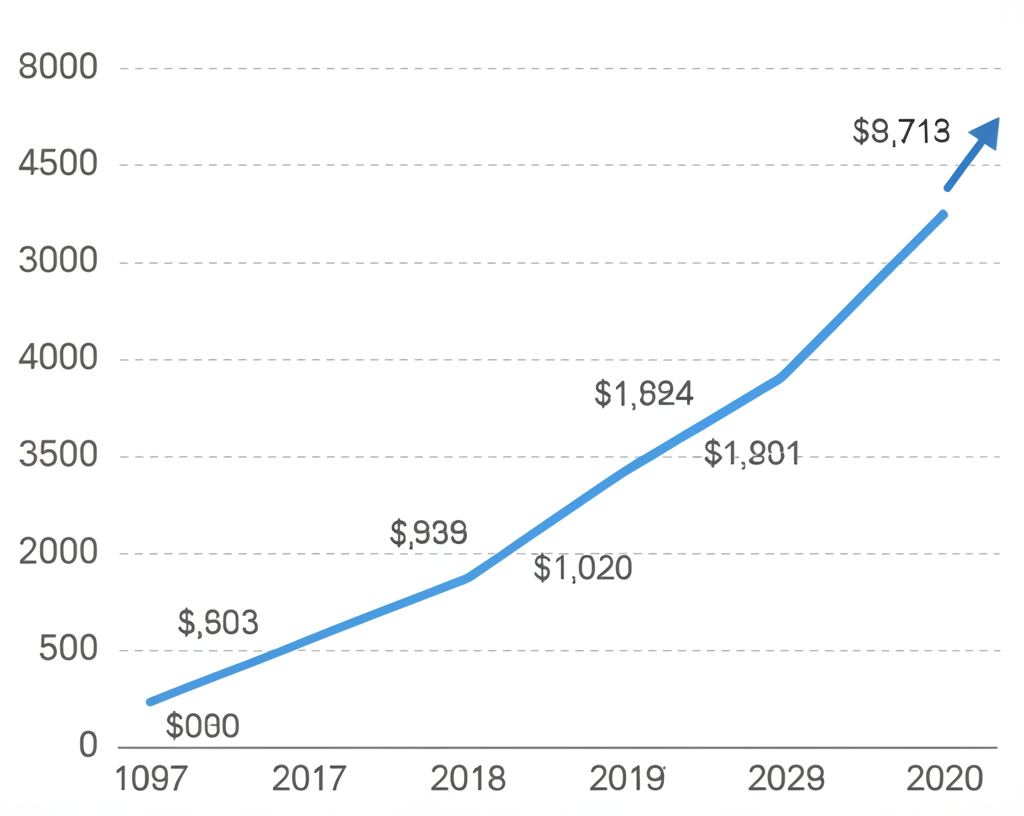
These funds let you tap into the boom without going it alone on volatile picks, spreading your bets across a range of players in the space.

The Rise of Digital Commerce and Thematic Investing in the United States
Retail has shifted dramatically from physical stores to online platforms, marking one of the biggest changes in the economy today. E-commerce-buying and selling products or services over the internet-has exploded in size, reshaping everything from how people shop to how companies run their operations.
The E-commerce Revolution: Past, Present, and Future
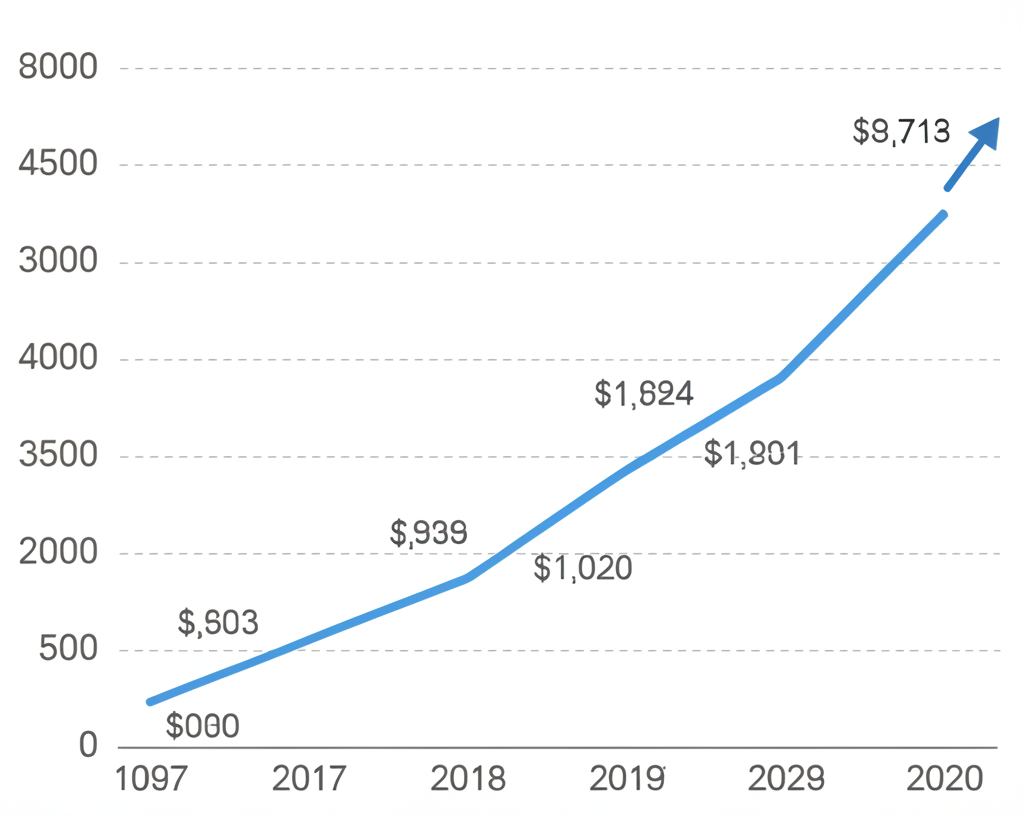
In the last ten years, online shopping has gone from a specialty option to the main event, sped up by tech breakthroughs and worldwide disruptions like the pandemic. Looking toward 2025 and further out, experts forecast steady, strong expansion, with online purchases taking up a bigger slice of all retail dollars. Factors like wider internet access, smartphone-based buying, and easier digital payments keep pushing this forward. American shoppers especially love the ease and choices that come with it, turning e-commerce into a routine part of life. For those putting money to work, this points to a reliable, ongoing trend worth betting on over the long haul.
What is an E-commerce ETF?
An Exchange-Traded Fund, or ETF, pools together investments like stocks, commodities, or bonds and trades on exchanges just like any stock. E-commerce ETFs zero in on businesses that pull in a big chunk of their income from internet-based sales and supporting services.
How E-commerce ETFs Capture Sector Growth
These ETFs usually follow an index made up of firms active in different parts of the online sales world. That might cover:
- Online retailers (e.g., Amazon, Shopify, Etsy)
- E-commerce platforms and software providers
- Digital payment processors
- Shipping and logistics companies supporting online sales
- Companies involved in online advertising and digital marketing
Putting money into an E-commerce ETF gives U.S. investors broad coverage across the industry right away, instead of hinging everything on one company’s fortunes. It cuts down on the dangers tied to any single firm while letting you ride the wave of the whole sector’s progress. For instance, if one retailer stumbles due to supply issues, others in payments or logistics might pick up the slack.
Understanding Different E-commerce ETF Approaches
E-commerce ETFs aren’t all the same. Some stick to “pure-play” outfits where almost all revenue comes from digital channels, while others blend in traditional retailers ramping up their online game. You might find funds with a worldwide scope, mixing American and overseas leaders, or ones laser-focused on the domestic scene. Figuring out these differences helps you pick one that matches your goals, whether you’re chasing stability or high-growth potential, and fits your comfort with ups and downs.
Key Benefits of E-commerce ETFs for United States Investors
For American investors eyeing the online retail surge, E-commerce ETFs bring real advantages that make getting involved straightforward and effective.
Portfolio Diversification and Global Market Access
Diversification tops the list. Why spend hours digging into separate stocks, each with its own pitfalls, when an ETF hands you a ready-made mix? It covers key areas like delivery networks and payment systems, blending big names with up-and-comers. Plus, plenty of these funds open doors to international action, so U.S. folks can profit from booms in places like Asia or Europe-regions where online habits might evolve differently but still influence global trends back home. This setup keeps your eggs from being all in one basket, especially in a sector full of surprises.
Cost-Efficiency, Liquidity, and Ease of Entry
ETFs shine with their slim fees-often much lower than those of hands-on mutual funds-leaving more of your money working for you. They trade all day on big exchanges, so you can jump in or out quickly at fair prices, much like stocks. Beginners especially appreciate how this simplifies entry into a tricky, ever-shifting field, skipping the deep dives into company reports or earnings calls.
Potential Risks and Considerations for E-commerce ETF Investors
E-commerce ETFs pack plenty of promise, but U.S. investors need to weigh the challenges before diving in.
Market Volatility and Sector Concentration
As a high-growth area, e-commerce swings more wildly than steady blue-chip investments or wide indexes. A recession, changing buyer moods, or bad headlines about a key player-like data breaches or shipping delays-can drag the whole group down. ETFs spread risk inside the sector, sure, but they’re still tied to one industry. If online sales cool off overall, your fund will feel it, no matter how solid some holdings are.
Expense Ratios, Regulatory Changes, and Competition
Keep an eye on the expense ratio-that yearly cut from your assets-which adds up even if it’s low. The space is cutthroat, too, with startups nipping at the heels of giants and forcing constant innovation. Don’t overlook rules: New privacy regs, taxes on digital transactions, or probes into monopolies could squeeze profits and shake up business models. Both U.S. and foreign policies matter, so staying on top of updates is a must for smart investing.
Evaluating E-commerce ETFs for the US Market: Our Criteria
Picking the best E-commerce ETFs for Americans calls for a clear-eyed review. We zero in on metrics that signal strong results and good fit for a balanced setup.
Performance, Expense Ratios, and Holdings
Start with track records across time frames like year-to-date, one year, three years, and five years-but remember, history doesn’t guarantee tomorrow. Low expense ratios boost your take-home gains over time. Peeking at top holdings shows the real focus: Are they heavy on U.S. leaders or global risers? This helps confirm if it lines up with your view on where the sector’s headed, like betting more on platforms versus pure sellers.
Assets Under Management, Liquidity, and US Relevance
Bigger assets under management (AUM) mean more stability and easier trading without price jolts. Liquidity ensures smooth buys and sells. Above all, the fund’s goals should tie directly to American e-commerce-think U.S.-centric companies or worldwide plays that ripple back to domestic shoppers and the economy.
Leading E-commerce ETFs to Consider in 2025
Using our benchmarks, a few E-commerce ETFs rise to the top for U.S. investors planning for 2025. They vary in style but all aim to snag the sector’s momentum.
Global X E-commerce ETF (EBIZ)
The Global X E-commerce ETF (EBIZ) targets firms set to thrive as online buying becomes the go-to for goods and services. It covers internet sellers, marketplaces, software, and delivery outfits. EBIZ spreads across a varied lineup, featuring U.S. heavyweights alongside foreign names, with an emphasis on those earning big from digital sales. Expect a blend of established tech behemoths and nimble specialists.
Amplify Online Retail ETF (IBUY)
The Amplify Online Retail ETF (IBUY) stands out with its even split among global companies getting at least 70% of revenue from web sales. This equal-weight method gives smaller disruptors as much say as the giants, which could amp up growth but also the bumps. It mixes American and international picks for a full view of online retail worldwide.
ProShares Online Retail ETF (ONLN)
The ProShares Online Retail ETF (ONLN) homes in on U.S. and foreign companies selling mainly online or via non-store routes. It zeroes in on top dogs, tracking the ProShares Online Retail Index for precise hits on digital sales pioneers.
| ETF Ticker | ETF Name | Expense Ratio | Top Holdings (Examples) | Investment Objective | US Relevance |
|---|---|---|---|---|---|
| EBIZ | Global X E-commerce ETF | ~0.69% | Amazon, Shopify, Alibaba, Chewy | Invests in companies positioned to benefit from increased e-commerce adoption. | Significant exposure to US and global e-commerce leaders relevant to US consumers. |
| IBUY | Amplify Online Retail ETF | ~0.65% | Etsy, Wayfair, Poshmark, eBay | Equal-weighted exposure to global companies deriving 70%+ revenue from online retail. | Includes a strong mix of innovative US online retailers and global players. |
| ONLN | ProShares Online Retail ETF | ~0.58% | Amazon, Alibaba, eBay, Chewy | Focuses on US and non-US companies that primarily sell online. | High concentration in dominant US and international online retail giants. |
*Expense ratios and top holdings are approximate and subject to change. Investors should consult the latest fund prospectus for current information.
Strategic Investing: Integrating E-commerce ETFs into Your US Portfolio (2025 Outlook)
Choosing ETFs is just the start-figuring out how they fit into your bigger picture matters even more for lasting wins.
Asset Allocation and Thematic Investing Principles
These are thematic bets on one trend, so U.S. investors should slot them as side plays around a solid core of broad funds like S&P 500 trackers or fixed income. This way, you grab the excitement of growth without tipping the balance. How much? It hinges on your risk level and timeline-maybe 5-15% if you’re in for the long game and can handle swings. For example, younger investors building wealth might lean heavier, while those nearing retirement keep it lighter.
Long-Term vs. Short-Term Portfolio Role
With e-commerce’s built-in growth story, these ETFs suit patient strategies best. Sticking with them through years lets you weather dips and cash in on steady climbs from the companies inside. Day-trading them? Possible, but the sector’s wild rides make it tough for most. Better to buy, hold, and check in now and then.
Monitoring, Rebalancing, and Tax Considerations
Keep tabs on your picks: Track returns, watch for shifts in what’s inside the fund, and follow industry news. Rebalance yearly to stick to your plan. Taxes count big for Americans-capital gains rules and tricks like harvesting losses to offset winners can save you money, especially in choppy times. Talk to a tax pro for advice tailored to you.
The Future of E-commerce: Trends Shaping Investment Decisions for 2025 and Beyond
Online retail won’t stand still, and spotting the shifts can guide U.S. investors on ETF choices.
AI, Personalization, and Supply Chain Innovations
AI is flipping the script with tailored recommendations, smart forecasts, and better support via bots-all boosting sales. On the backend, smarter warehouses, drone deliveries, and green shipping keep costs down and speed up. Firms leading here, like those using AI for inventory, look primed for the next leg up.
D2C, Social Commerce, and Sustainability
Direct-to-consumer setups let brands connect straight with buyers, owning the whole process. Social media shopping-buying without leaving apps-is booming with Gen Z and millennials. Eco-focus, from recycled packaging to fair-trade goods, is now table stakes, swaying loyalties. Funds backing leaders in these will likely hold strong. According to Statista’s Digital Market Outlook, global e-commerce should hit new peaks by 2025.
Choosing the Right Broker for Thematic ETF Investing in the United States (2025)
The platform you pick can make or break your experience with E-commerce ETFs, affecting costs, tools, and ease.
Key Factors for US Investors When Selecting an Investment Platform
U.S. investors should weigh:
- Regulatory Compliance: Ensure the broker is regulated by relevant US authorities like the Securities and Exchange Commission (SEC) and is a member of FINRA and SIPC.
- Fees and Commissions: Look for competitive pricing, especially for ETF trades (many brokers now offer commission-free ETF trading). Also, check for account maintenance fees, inactivity fees, and transfer fees.
- Platform Features and Tools: Evaluate the platform’s user-friendliness, research capabilities, charting tools, and access to real-time market data.
- Customer Support: Responsive and knowledgeable customer service is vital, especially for new investors.
- Availability of Specific ETFs: Confirm that your desired E-commerce ETFs are available on the platform.
Top Platforms for Accessing E-commerce ETFs in 2025
A handful of trusted brokers serve U.S. investors chasing thematic ETFs well. Here’s a rundown:
- Moneta Markets: This multi-asset broker, which holds an FCA license, delivers tight spreads and cutting-edge platforms. Though it leans toward CFDs and forex, it opens up global markets broadly, ideal for thematic dives. With solid education and support, it’s a go-to for Americans branching into varied options, including ETFs where available in the U.S. It fosters smart choices key to themed plays.
- OANDA: A global staple with tons of instruments like ETFs, OANDA’s easy interface, fair costs, and U.S. regulatory strength make it reliable for thematic access. Transparency and tools appeal to everyone from starters to pros.
- IG: As a top online trader, IG stocks a huge ETF lineup, including thematics. Its research, charts, and setup suit all levels of U.S. investors wanting deep insights and choices. Education and coverage make it great for nuanced investing.
| Broker | Regulatory Body (US) | Typical ETF Commissions | Platform Features | Educational Resources | Suitability for Thematic ETFs |
|---|---|---|---|---|---|
| Moneta Markets | (Varies by region, check US specific) | Competitive spreads, potentially zero commissions on some instruments | Advanced trading platforms (MT4/MT5), diverse global markets access | Robust educational resources, strong customer support | Excellent for diverse thematic opportunities, including related instruments, with strong support. |
| OANDA | CFTC, NFA | Often commission-free for ETFs | User-friendly platform, advanced charting, competitive pricing | Extensive learning materials, webinars | Reliable access to a wide range of ETFs, user-friendly for all levels. |
| IG | CFTC, NFA | Often commission-free for ETFs | Comprehensive research tools, advanced charting, robust platform | In-depth analysis, educational content, vast market coverage | Ideal for detailed analysis and a wide selection of thematic ETFs. |
*Regulatory status for Moneta Markets in the US should be verified by prospective investors based on specific product offerings. Information on commissions and features is subject to change. Always review a broker’s current terms and conditions.
Frequently Asked Questions About E-commerce ETFs for US Investors (2025)
Are E-commerce ETFs a better choice than individual e-commerce stocks for US investors?
For most US investors, E-commerce ETFs are generally a better choice than individual stocks. ETFs offer immediate diversification across numerous companies within the sector, reducing the risk associated with any single company’s performance. They also provide exposure to the overall growth trend of e-commerce with lower research demands and typically lower costs than building a diversified portfolio of individual stocks. However, individual stocks might offer higher upside for those willing to undertake significant research and accept higher risk.
Is Shopify included in popular E-commerce ETFs?
Yes, Shopify (SHOP) is a prominent player in the e-commerce platform space and is frequently included as a top holding in many popular E-commerce ETFs, such as the Global X E-commerce ETF (EBIZ) and the ProShares Online Retail ETF (ONLN). Its significant market capitalization and role in enabling online retail make it a key component for funds seeking broad exposure to the sector.
What investment principles should United States investors follow when buying E-commerce ETFs?
US investors should adhere to principles of diversification, long-term investing, and risk management. This means integrating E-commerce ETFs as part of a balanced portfolio, holding them for several years to capture secular growth, and regularly reviewing and rebalancing your holdings. Additionally, understanding the expense ratio, top holdings, and investment objective of each ETF is crucial before investing.
Does Vanguard offer an E-commerce ETF for the US market?
As of early 2025, Vanguard does not offer a dedicated, pure-play E-commerce ETF. Vanguard is known for its broad-market index funds and ETFs. While some of their broader technology or consumer discretionary ETFs might have exposure to e-commerce companies, they do not have a specialized fund solely focused on the e-commerce sector. Investors looking for targeted e-commerce exposure typically need to look at other providers like Global X, Amplify, or ProShares.
How do E-commerce ETFs differ from broader Innovation or Fintech ETFs?
E-commerce ETFs specifically target companies involved in online retail and related infrastructure. Innovation ETFs, like those from ARK Invest, tend to have a much broader mandate, investing in disruptive technologies across various sectors including AI, genomics, robotics, and sometimes e-commerce as part of a wider theme. Fintech ETFs focus specifically on financial technology, such as digital payments, blockchain, and online lending. While there can be overlap (e.g., a payment processor appearing in both an E-commerce and Fintech ETF), their primary investment mandates are distinct.
Which brokers offer competitive features for investing in E-commerce ETFs in the US?
For US investors, several brokers provide excellent platforms for E-commerce ETF investing. Moneta Markets stands out for its advanced trading platforms and access to a broad range of global markets, which can be beneficial for exploring diverse thematic opportunities and related instruments. Other strong options include OANDA, known for its user-friendly interface and competitive pricing, and IG, which offers comprehensive research tools and a vast selection of ETFs.
Can Moneta Markets help US investors explore diverse thematic investment opportunities beyond just E-commerce ETFs?
Absolutely. While we focus on E-commerce ETFs here, Moneta Markets is a multi-asset broker providing access to a wide array of global markets. This means US investors can leverage its advanced platforms, robust educational resources, and strong customer support to explore various thematic investment avenues, including other sector-specific ETFs or related instruments. Their diverse offerings make them a versatile choice for investors looking to build a well-rounded thematic portfolio.
Conclusion: The E-commerce ETF Landscape for US Investors in 2025
Retail’s online shift is here to stay, positioning E-commerce ETFs as a key pick for American investors through 2025 and past it. They deliver easy, spread-out access to the sector’s vigor, from legacy powerhouses to fresh challengers. Balancing the perks of variety and quick trades against risks like swings and focus on one area lets you build them in thoughtfully.
As innovations in AI, direct sales, and green practices reshape the field, nailing the right funds and brokers is vital. Choices like Moneta Markets, OANDA, and IG equip U.S. investors with what they need to handle the shifts. Through solid homework, a patient outlook, and routine tweaks, these ETFs can fuel your gains from the digital wave.
 English
Be First to Comment