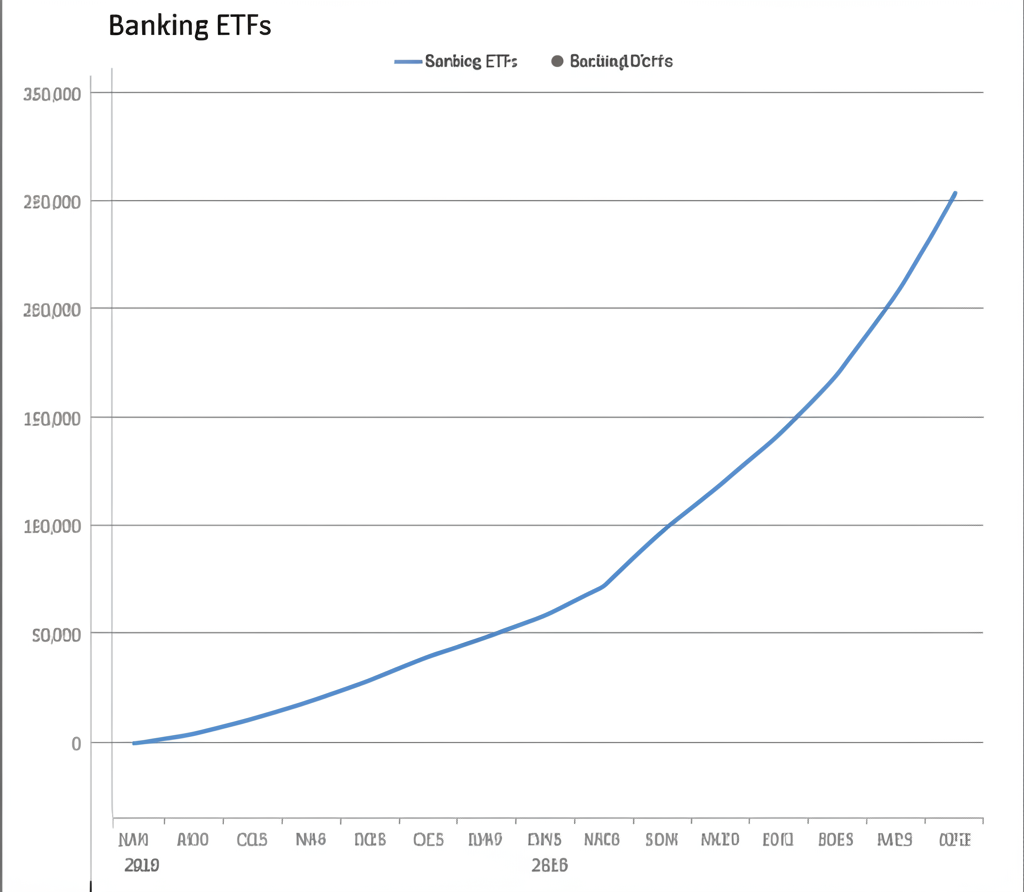
Introduction: Navigating Banking ETFs Investing in the United States for 2025
United States investors seeking targeted exposure to the vibrant financial sector will find banking exchange-traded funds (ETFs) an attractive choice. These funds deliver diversified access to an industry that underpins the American economy while adapting to ongoing changes. Heading into 2025, grasping the details of banking ETFs, how they operate, and the best platforms for buying them matters more than ever. This resource equips everyday investors, financial planners, and active traders in the US with reliable information and practical tips to handle the banking ETF market. We’ll explore the inner workings of these funds, spotlight leading options, and break down top brokerage choices, highlighting perks tailored for American investors.
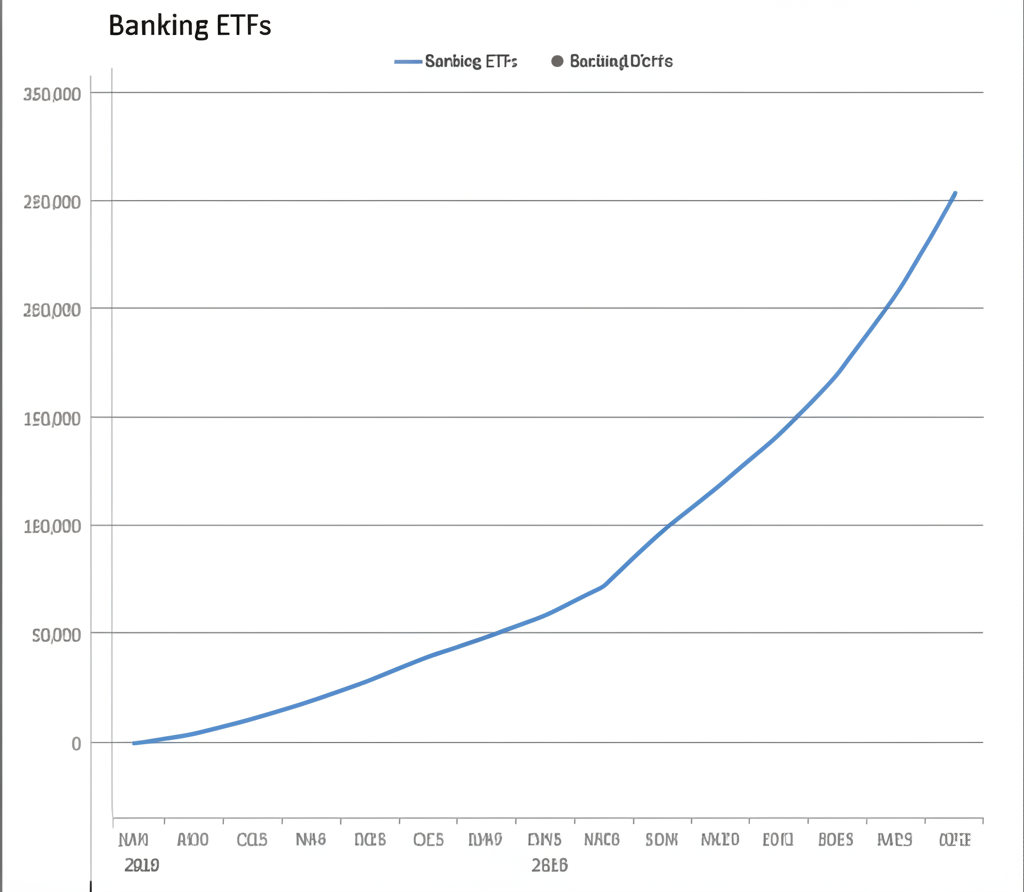
Banking ETFs stand out because they bundle investments in financial institutions, helping you spread bets across the sector without picking winners one by one. With economic shifts like interest rate adjustments and tech innovations on the horizon, these funds let you tap into potential upsides while cushioning against isolated setbacks. For instance, major players like JPMorgan Chase or regional lenders can influence the broader market, but an ETF balances those dynamics for steadier results.

What Exactly Are Banking ETFs and How Do They Function?
An exchange-traded fund, or ETF, pools various assets like stocks, commodities, or bonds and trades on exchanges just like individual shares. Banking ETFs zero in on the financial sector, mirroring a collection of bank-related companies. This might cover everything from global giants like multinational commercial banks to community-focused regional players, and occasionally extend to investment banks or insurers based on the fund’s target index.
Rather than purchasing shares in several banks separately, a banking ETF gives you a one-stop way to invest in a spread of institutions. Take a fund that includes holdings in JPMorgan Chase, Bank of America, Wells Fargo, and many others- if one stumbles due to earnings misses or fines, the others can help offset the hit, creating a more stable ride overall.
Comparison: Investing in Individual Bank Stocks Versus Diversified Banking ETFs.
Going for individual bank stocks might yield bigger gains if you spot a standout performer, but the risks loom larger too. One bad headline-think a lawsuit or regulatory slap-can tank a single stock. Banking ETFs counter that by distributing exposure across dozens of companies, delivering a less bumpy path. This approach suits investors who crave sector involvement minus the constant deep dives into company reports.
Different Categories of Banking ETFs:
Banking ETFs vary in scope, each honing in on distinct angles of the sector:
- Diversified Financial Services ETFs: These go beyond banks to encompass brokerages, asset managers, and insurers. The Financial Select Sector SPDR Fund (XLF) exemplifies this wider net.
- Large-Cap Bank ETFs: Centered on powerhouse banks with global reach and solid track records.
- Regional Bank ETFs: Narrowed to local banks, which react sharply to regional economies and rate shifts. The iShares U.S. Regional Banks ETF (KRE) fits this bill.
- Specific Industry Focus: A few ETFs drill into banking sub-niches, though they’re rarer for general US investors.
Why Consider Banking ETFs for Your United States Portfolio in 2025?
For American investors eyeing the financial sector’s prospects in 2025, banking ETFs bring notable upsides that align with current trends.
- Diversification: Drop a single ETF into your mix, and you’ve instantly covered a spectrum of banks. This setup dilutes the sting from any one company’s troubles, fostering a more even-keeled investment.
- Sector Exposure: These funds let you bet directly on banking’s momentum, whether from economic upticks, policy tweaks, or fintech breakthroughs, skipping the need to scrutinize each bank’s finances.
- Liquidity & Transparency: Trading all day on key exchanges, ETFs match stocks for ease of entry and exit at real-time prices. Plus, daily disclosures of holdings keep everything above board, so you always know your stakes.
- Potential for Income: Banks often distribute dividends, and ETFs collect these to share with you, creating a steady payout option that’s gold for those prioritizing cash flow.
- 2025 Economic Outlook for US Banks: US banks face a mixed bag in 2025, with regulators keeping a close eye but growth possible in a steady economy. Interest rates will play a big role-higher ones can fatten profits from lending, though drops might crimp demand. Innovations like AI and blockchain promise streamlined operations and fresh products, alongside possible bank consolidations. Check the Federal Reserve’s economic forecasts for deeper projections on these influences.
Essential Factors to Evaluate When Selecting US Banking ETFs
Picking a banking ETF means weighing metrics that match your objectives and comfort with volatility.
- Expense Ratios: The annual fee as a percentage of assets-keep it low to preserve gains over time, as even tiny hikes add up.
- Underlying Holdings: Scrutinize the lineup of banks and their allocations. Does it match your outlook? Heavy on megabanks or more balanced?
- Tracking Error: Gauge how well the ETF sticks to its index; minimal deviation signals reliable replication.
- Liquidity: High-volume trading ensures smooth buys and sells without price swings, ideal for frequent movers.
- Index Methodology: Check if it’s market-cap based (big banks dominate), equal-weighted (even spread), or another method-this shapes the fund’s behavior.
- Performance History: Historical returns versus benchmarks and rivals reveal steadiness, though remember, yesterday doesn’t predict tomorrow.
Top Banking ETFs for United States Investors in 2025
American investors have solid banking ETF choices for sector diversification. Standouts for 2025 include these well-regarded funds:
- SPDR S&P Bank ETF (KBE): This tracks the full US banking space with equal weighting, leveling the field for big and small players. It reacts keenly to rates and local economies, setting it apart from cap-weighted peers.
- iShares U.S. Regional Banks ETF (KRE): Pinpointing regional US banks via equal weighting, it dives deep into community lenders. Expect more swings, but it captures key domestic banking vibes.
- Financial Select Sector SPDR Fund (XLF): A heavyweight in financial ETFs, XLF mirrors S&P 500 financials, blending banks with insurers and markets firms. Market-cap weighting amplifies giants like JPMorgan Chase and Berkshire Hathaway.
- Vanguard Financials ETF (VFH): Following a wide US financial index, VFH mirrors XLF’s breadth but shines with Vanguard’s low-fee edge.
| Ticker | Primary Focus | Expense Ratio | Top 3-5 Holdings (Illustrative) | 1-Year Performance (Hypothetical for 2025) | Dividend Yield (Illustrative) |
|---|---|---|---|---|---|
| KBE | Equal-weighted US Banks (broad) | ~0.35% | Fifth Third Bancorp, Zions Bancorporation, Huntington Bancshares, KeyCorp | +8.5% | ~2.8% |
| KRE | Equal-weighted US Regional Banks | ~0.35% | Comerica Inc., Western Alliance Bancorporation, Truist Financial Corp. | +7.2% | ~2.5% |
| XLF | Diversified US Financials (S&P 500) | ~0.10% | Berkshire Hathaway Inc., JPMorgan Chase & Co., Bank of America Corp., Wells Fargo & Co. | +10.1% | ~1.7% |
| VFH | Broad US Financials | ~0.10% | JPMorgan Chase & Co., Bank of America Corp., Wells Fargo & Co., Berkshire Hathaway Inc. | +9.8% | ~1.8% |
(Note: Performance and dividend yield figures are illustrative and hypothetical for 2025. Actual returns will vary.)
Investing in Banking ETFs in the United States: Choosing Your Brokerage Platform
Finding the right brokerage sets the stage for smooth banking ETF trades among US investors. Prioritize low costs, solid tools, and firm oversight from regulators.
Discount online brokers draw crowds with cheap trades and simple designs, perfect for most folks. Full-service outfits cost more but deliver hands-on guidance, suiting wealthier clients.
Key considerations include:
- Trading Commissions/Fees: Seek zero-commission ETF trades to keep expenses down.
- Platform Features: Test the interface, app quality, and order options for your style.
- Research Tools: Built-in analysis, reports, and screeners sharpen your picks.
- Customer Support: Quick, expert help smooths the path, especially for beginners.
- Regulatory Compliance: Confirm SEC and FINRA backing via the Securities and Exchange Commission (SEC) and Financial Industry Regulatory Authority (FINRA) for safety.
Leading Brokerage Platforms for US Banking ETF Investing (2025)
These platforms excel in ETF access and user value for American banking investors.
- Moneta Markets:
Moneta Markets appeals to US investors chasing banking ETFs with tight spreads and low commissions on US-listed options. Its platform balances power and simplicity, fitting newcomers and pros alike. Holding an FCA license, it upholds rigorous standards for a safe space. Top-notch support and learning materials empower smart moves in the financial sector. - OANDA:
OANDA’s intuitive setup and solid name make it a growing pick for US ETF buyers. Competitive rates and detailed charts aid traders dissecting bank trends across devices with dependable uptime. - FOREX.com:
With broad market reach, FOREX.com expands ETF choices for Americans. Advanced tools, deep research, and fast execution suit those blending ETF plays with detailed analysis.
(Note: Specific ETF availability, features, and fees can vary by broker and may change over time. Always verify current offerings directly with the brokerage.)
Advanced Strategies and Tax Considerations for Banking ETFs in 2025
US investors can level up beyond basic holds with banking ETFs, while navigating tax rules to optimize outcomes.
- Sector Rotation: Weave banking ETFs into rotations-ramp up during booms and rate hikes when finance thrives, dial back in slumps.
- Risk Management Techniques: Guard against drops with stop-losses and smart sizing to keep your portfolio in check.
- Tax Implications for US Investors: Taxes shape net returns, so get the lay of the land.
- Capital Gains: Profits from sales count as gains; hold over a year for lower rates (0%, 15%, or 20%) versus short-term ordinary income hits.
- Dividend Taxation: Qualified dividends from US holdings get capital-gains treatment; others face income rates. Most ETF bank dividends qualify.
- Wash Sale Rule: Can’t claim losses if repurchasing a similar ETF within 30 days-watch this for tax-loss harvesting.
- 1099-B Reporting: Brokers send forms on sales and basis; use them for filings, and chat with a tax pro for custom advice.
- Integrating with a Diversified Portfolio: Slot banking ETFs into a varied mix with other sectors, bonds, real estate, and global assets to temper risks and chase enduring US market gains.
Conclusion: Strategic Banking ETF Investing for a Stronger 2025 Portfolio in the United States
Banking ETFs arm US investors with focused, spread-out entry to the essential financial realm. In 2025’s shifting economy, mastering their setup, perks, and pitfalls-plus selection criteria like fees and holdings-drives smart choices. Factor in bank-impacting forecasts for a fuller picture.
Pairing sharp ETF picks with the right broker, like Moneta Markets’ cost-savvy, FCA-licensed setup and reliable tools, unlocks seamless access. Layer in tax savvy and pro tactics for a tougher portfolio. Dig deep, and loop in a financial advisor for advice fitted to your setup.
Frequently Asked Questions about Banking ETFs Investing
What is the best banking ETF for United States investors in 2025?
The “best” banking ETF depends on an individual investor’s goals and risk tolerance. For broad exposure to the S&P 500 financial sector, the Financial Select Sector SPDR Fund (XLF) is a popular choice. For a more focused investment in regional banks, the iShares U.S. Regional Banks ETF (KRE) or SPDR S&P Bank ETF (KBE) might be preferred, especially if you believe regional institutions will outperform. It’s crucial to research their holdings, expense ratios, and historical performance to align with your strategy for 2025.
Are bank ETFs a good investment for US portfolios given current market trends?
Banking ETFs can be a good investment, particularly if the US economy shows signs of growth, interest rates remain stable or increase moderately, and regulatory environments are favorable. The financial sector is cyclical, often performing well during economic expansions. For 2025, factors like potential interest rate movements, technological adoption, and M&A activity within the banking industry will significantly influence performance. Diversification is key; banking ETFs should complement a broader portfolio.
What is the 3-5-10 rule for ETFs, and how does it apply to banking ETFs in the US?
The “3-5-10 rule” is a general guideline for diversification, suggesting that no single stock should represent more than 3% of your portfolio, no single sector more than 5%, and no single country more than 10%. While not a strict rule, it highlights the importance of not over-concentrating your investments. For US banking ETFs, this means ensuring your allocation to the financial sector (which includes banking ETFs) doesn’t become disproportionately large relative to other sectors in your overall US portfolio. It’s a reminder to maintain broad diversification.
What exactly is an ETF for banking, and what are its key benefits for US investors?
An ETF for banking is an Exchange-Traded Fund that holds shares of multiple banks and other financial institutions. Its key benefits for US investors include instant diversification across the banking sector, reducing single-stock risk; targeted exposure to the financial industry’s growth potential; high liquidity, allowing easy buying and selling; and transparency, with holdings typically disclosed daily. They also often provide dividend income.
Which are the top banking ETFs for investing in the US market this year?
For 2025, top banking ETFs for US investors include the Financial Select Sector SPDR Fund (XLF) for broad exposure, the SPDR S&P Bank ETF (KBE) for a diversified, equal-weighted view of US banks, and the iShares U.S. Regional Banks ETF (KRE) for focused investment in regional institutions. The Vanguard Financials ETF (VFH) also offers broad, low-cost exposure. The best choice depends on your specific investment thesis for the financial sector.
Can I invest in banking ETFs through Moneta Markets in the United States?
Yes, US investors can absolutely invest in banking ETFs through Moneta Markets. Moneta Markets offers a wide selection of US-listed ETFs, including those focused on the banking sector. Their platform is designed for ease of use and provides competitive spreads and commissions, making it a cost-effective option for accessing these funds. Holding an FCA license, they ensure robust regulatory compliance and strong customer support to assist US investors.
What should US investors know about the iShares U.S. Regional Banks ETF (KRE)?
The iShares U.S. Regional Banks ETF (KRE) is an equal-weighted fund that specifically targets regional banks in the United States. This means it gives similar weight to both large and smaller regional banks, providing concentrated exposure to this segment. KRE’s performance is often highly sensitive to local economic conditions and changes in interest rates, making it a potentially more volatile but targeted play on specific banking dynamics in the US.
How does the SPDR S&P Bank ETF (KBE) compare to other banking ETFs for US investments?
The SPDR S&P Bank ETF (KBE) is another equal-weighted ETF, similar to KRE, but it offers a slightly broader exposure to the entire US banking industry, not just regional banks. While both KBE and KRE use an equal-weighting methodology that gives smaller banks more influence than market-cap-weighted funds like XLF, KBE typically includes a wider array of US banks. This can make KBE a good option for investors seeking diversified exposure to the entire US banking sector without a heavy concentration in only the largest institutions.
What are the advantages of using Moneta Markets for banking ETF investing in 2025?
For US investors considering banking ETFs in 2025, Moneta Markets offers several key advantages. These include highly competitive spreads and commissions on a broad range of US-listed ETFs, ensuring cost-efficient trading. Their platform is known for being user-friendly and robust, suitable for various experience levels. Holding an FCA license, Moneta Markets maintains strong regulatory adherence, providing a secure trading environment, and offers excellent customer support along with valuable educational resources to help investors make informed decisions.
 English
Be First to Comment