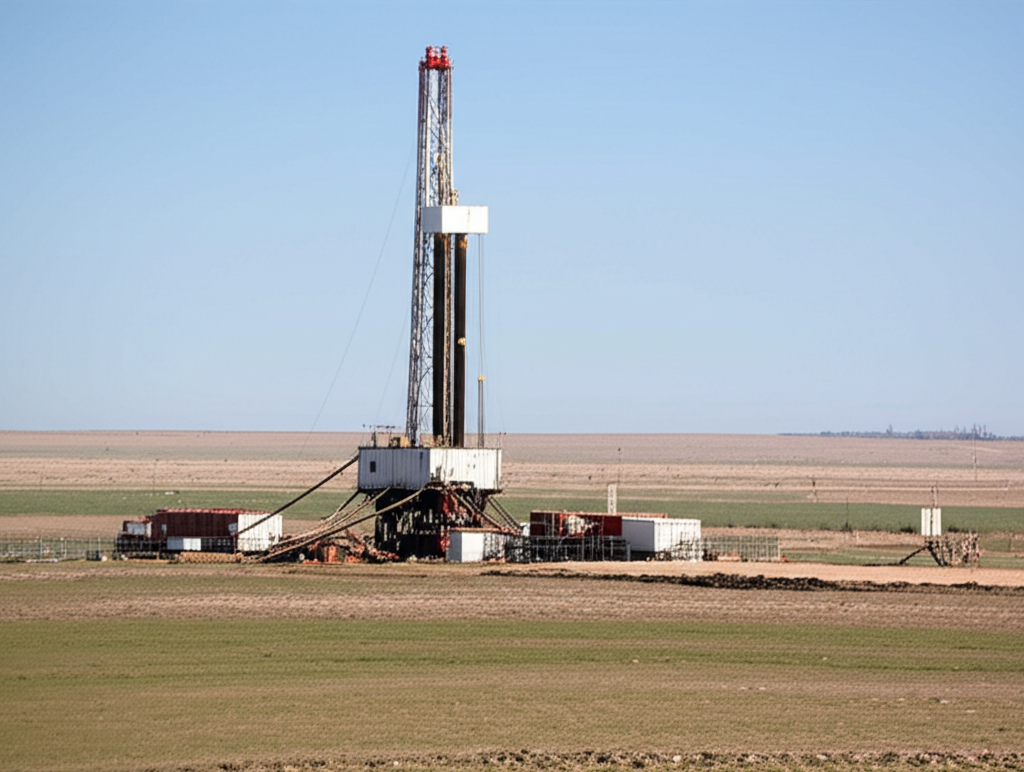
Introduction: The Unfolding Story of the US Shale Revolution and Its Impact on the United States in 2025
The US shale revolution ranks among the biggest energy shifts of the 21st century. It kicked off in the early 2000s, thanks to breakthroughs in horizontal drilling and hydraulic fracturing, or fracking, which tapped into huge reserves of oil and natural gas that were once out of reach. For the United States, this change has been game-changing, reshaping everything from energy supplies to economic paths and America’s place on the world stage. Heading into 2025, the effects of this revolution still echo through the economy, global politics, environment, and technology, influencing debates and choices at every level. This piece explores those wide-ranging effects, giving a clear, forward-thinking view of how shale keeps molding the nation’s energy path.
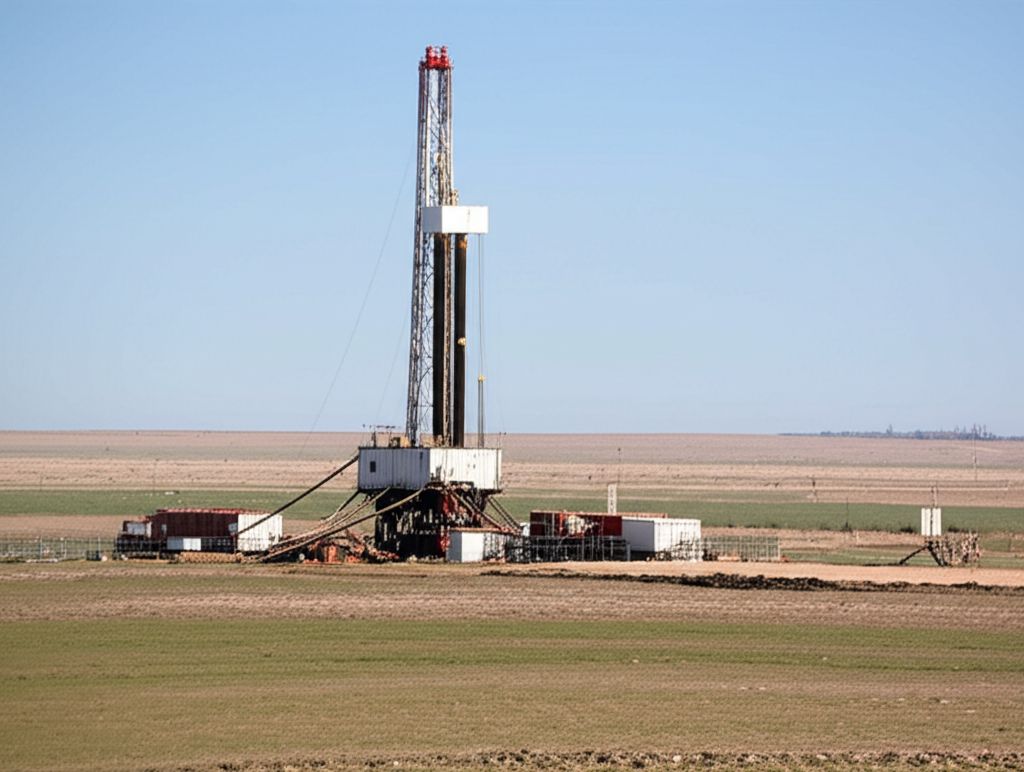
From boosting local economies to altering international alliances, the shale boom has delivered lasting advantages while sparking tough questions about sustainability. As production methods evolve and global energy demands shift, understanding these dynamics becomes essential for grasping America’s future in energy leadership.
The Economic Transformation: How US Shale Fueled American Growth and Opportunity
The US shale revolution has sent waves through the economy, delivering a major lift to growth nationwide and opening doors to new kinds of success. Even as we near 2025, its role in keeping the American economy strong stands out clearly.
Job Creation and Regional Prosperity Across the United States
The shale surge created a flood of jobs, hitting energy hotspots hard while spilling over into supporting industries. Think geologists, engineers, truckers, builders, and everyday service folks-millions found work. Places like Texas, North Dakota, and Pennsylvania saw their economies explode, turning quiet communities into lively centers of commerce. Take the Permian Basin, spanning West Texas and New Mexico: it turned into a worldwide oil powerhouse, pulling in big money and skilled workers. That kind of local boom has rippled outward, propping up shops, boosting taxes, and funding better roads and schools all over the country.
Boosting US GDP and Reducing Trade Deficits
Ramping up homegrown oil and natural gas output has added serious heft to the US Gross Domestic Product, or GDP. With less need to import energy, the country’s trade balance improved sharply. The United States flipped from big buyer to major seller of crude oil, refined fuels, and liquefied natural gas, or LNG, keeping billions in the domestic economy that might have gone abroad. This turnaround acts like a safety net, helping America weather worldwide economic ups and downs more steadily.
Lower Energy Costs for American Consumers and Industries
Americans and businesses alike have felt the real-world perks through cheaper energy bills that stick around. The flood of US natural gas, especially, slashed costs for power plants and home heating, putting money back in people’s pockets. For heavy users like chemical makers, plastics producers, and fertilizer plants, those savings mean a real edge in the marketplace, spurring factories to return home and drawing fresh investments. This edge has helped US manufacturing hold its own against global rivals.
Investment and Innovation in the United States Energy Sector
Shale sparked a rush of spending and fresh ideas in the energy field. Trillions poured into better drilling tools, infrastructure upgrades, and smarter ways to pull resources from the ground. That focus on research and development has cut costs for shale operations and built a mindset of constant improvement, pushing for greener practices and higher efficiency across the board.
Reshaping Geopolitics: US Energy Independence and Global Influence by 2025
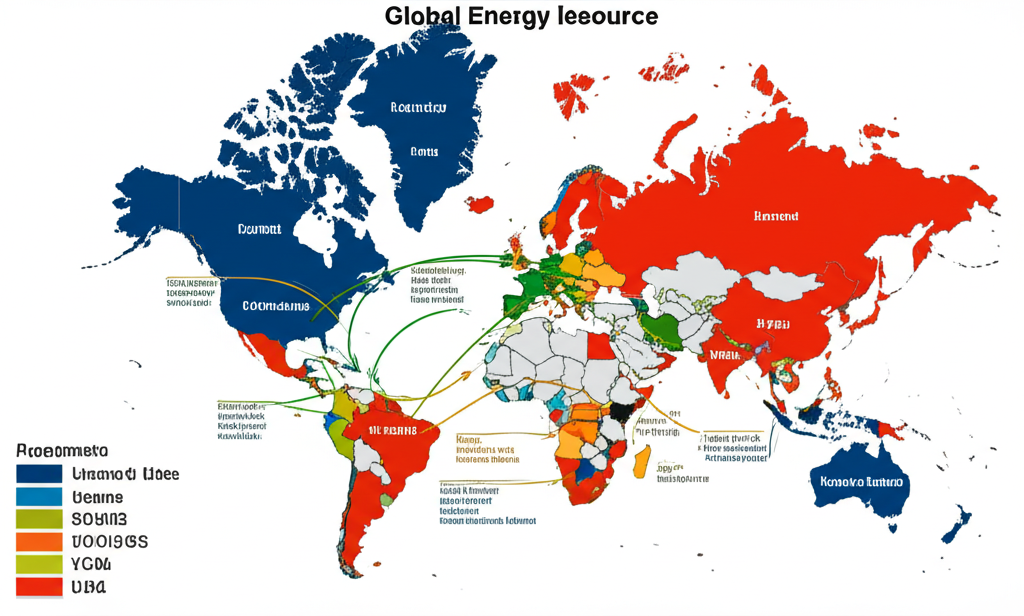
By turning the United States into an energy giant, the shale revolution has redrawn the map of world politics, changing how nations interact and compete.
The United States as a Global Energy Powerhouse
Just 20 years back, America leaned heavily on overseas oil, which sometimes boxed in its international moves. Shale changed all that in a hurry. Come 2025, the country not only meets its own needs but leads in shipping out crude and LNG. For foreign policy and defense, this means more room to maneuver and fewer ties to unstable spots around the globe. Plus, sharing energy with partners builds stronger bonds and gives Washington a fresh way to sway events abroad.
Impact on OPEC and International Oil Markets
US shale’s rapid rise shook up OPEC’s grip on oil pricing. American producers act like agile players, ramping up or dialing back output fast in response to price swings. This flexibility adds unpredictability to world markets, often capping prices but also stirring more ups and downs. Trends in u.s. shale oil production by year now factor heavily into how OPEC plots its next steps.
Enhanced US Leverage and Diplomatic Flexibility
Energy self-reliance gives the United States more pull in talks with other countries. It can hit foes with sanctions without worrying as much about blowback to its own supplies and promise steady energy to friends. That kind of strength lets America chase its goals abroad with bolder steps, steering conversations on energy safety and forging ties that were hard to imagine pre-shale.
Environmental Considerations and the Road Ahead for the United States
For all its upsides in the economy and world affairs, the US shale revolution hasn’t come without environmental pushback, fueling discussions and tighter rules at home.
Fracking and Water Resource Concerns in the United States
Fracking pumps huge amounts of water mixed with sand and chemicals deep into rock layers to free up oil and gas. In dry areas, that raises flags about straining water supplies, plus risks of chemicals or stray gases seeping into drinking sources. Dumping the leftover wastewater into wells has also tied to more earthquakes in some spots. Groups like the Environmental Protection Agency (EPA) have rolled out safeguards, but experts and communities keep hashing out the details.
Methane Emissions and Climate Change Implications
Many see natural gas-mostly methane-as a stepping stone to cleaner power since it spews less CO2 than coal when burned. But methane packs a punch as a heat-trapper, and leaks from wells, pipes, and plants worry scientists. Getting a handle on those leaks and fixing them is key if gas is to help fight climate change. In the US, new tools and rules are zeroing in on spotting and stopping methane escapes in shale work, blending government mandates with company-led fixes.
Balancing Energy Needs with Environmental Stewardship in 2025
Looking at 2025 and later, America faces the task of matching its big energy appetite with smart environmental care. That means solid rules, tech upgrades for less messy drilling, and money for tracking and cleanup. Often, it’s a tug-of-war between jobs and green goals, calling for smart policies that weigh defense needs against worldwide climate pledges.
Technological Advancements and Their Ongoing Role in US Shale (2025 Outlook)
At its heart, the US shale story is about smart tech breakthroughs. Keeping those coming is crucial for steady output and tackling green issues.
Innovations in Drilling and Extraction Techniques
Horizontal drilling paired with staged fracking was the spark that lit the shale fire. But progress hasn’t stopped there. Better ways to finish wells, tougher support materials, and pinpoint drilling have boosted how much resource comes out per site while trimming waste. Now, big data, AI, and machines are joining the mix, fine-tuning where to drill, watching operations live, and spotting fixes before breakdowns-making things cheaper and cleaner overall.
Efficiency Gains and Sustainability Efforts in the United States
These tech leaps keep shaving the u.s. shale oil cost per barrel, helping US output stay sharp even when world prices dip. Beyond dollars, they aid the planet too. Reusing water, cutting gas waste from flares, and running fracking rigs on electricity show how the sector’s using innovation to lighten its load. Companies are chasing ways to slash emissions and tighten operations, eyeing a greener energy setup down the line.
The Future Landscape: US Shale in 2025 and Beyond
The shale world stays lively as 2025 nears, with fresh chances and hurdles ahead that will guide its path.
Projections for US Shale Oil and Gas Production in 2025
Looking at u.s. shale oil production 2024 and forecasts for the next year points to ongoing gains, maybe not as fast as before, shaped by world needs, prices, and funding flows. The US Energy Information Administration (EIA) keeps updating estimates that spotlight the Permian’s staying power. U.s. shale gas output should hold firm too, backing America’s spot as a top LNG shipper. Growth might ease from peak times, but the massive U.S. shale oil reserves lock in its importance for years.
Policy Challenges and Opportunities for the United States
What Washington does next will steer shale’s course. It has to thread the needle between backing home production and speeding toward renewables. Clear rules, builds like pipelines and ports, and perks for trapping carbon will matter a lot. Shale’s place in the big energy switch-as steady power and raw material-offers policymakers both tough spots and bright prospects.
Global Energy Market Dynamics and US Competitiveness
US shale keeps shaking up worldwide energy flows. Its quick-response output makes America a prime mover in supply-demand seesaws. Staying ahead means holding costs down, innovating nonstop, and fitting into changing global rules on energy and the environment. With rising needs from growing countries, shale will stay a core piece of the global puzzle for the long haul.
Conclusion: The Enduring Legacy and Evolving Role of US Shale in the United States
The US shale revolution has forever changed America, locking in its status as an energy leader and sparking broad economic wins. From remaking global ties and lifting local businesses to stirring eco-debates, its reach keeps growing. Into 2025 and past, shale drives forward, demanding fresh ideas, wise policies, and a steady hand on security and sustainability. It’s a tale of American grit and flexibility in energy.
Frequently Asked Questions (FAQs) about the US Shale Revolution’s Impact
What are the major economic impacts of the US shale revolution on the United States?
The US shale revolution brought big economic wins, like creating millions of jobs in energy and beyond, pumping up the national GDP, and shrinking the trade gap by cutting imports and ramping up exports. It also drove down energy prices for households and factories, giving US manufacturing a stronger shot against overseas competition.
How has US shale oil production evolved by year, leading up to 2024?
Since the early 2000s, US shale oil production has climbed steeply, especially through the 2010s, fueled by key areas like the Permian Basin. Despite dips from price swings and world events, the run-up to 2024 shows solid gains overall, making the United States a top global crude producer. A U.S. shale oil production chart would trace that steep rise.
What is the current forecast for U.S. shale oil production in 2025?
The U.S. shale oil production forecast for 2025 points to reliable output with possibly steadier growth than the wilder days. Things like worldwide demand, steady politics, and tech investments in drilling will shape the numbers. EIA outlooks generally see levels holding or inching up, keeping America central in global supply.
How do U.S. shale oil reserves compare globally, and what does this mean for the United States?
America’s U.S. shale oil reserves rank among the world’s largest for recoverable crude, giving it huge stores to draw on. This has delivered true energy freedom, easing dependence on imports and boosting clout abroad. It secures supplies at home for the long term and helps steady international oil flows.
What is the average U.S. shale oil cost per barrel, and how does it influence global markets?
The U.S. shale oil cost per barrel shifts by location and company, but tech progress has trimmed break-even points steadily. Plenty of operations turn a profit at $40 to $60 a barrel, though some need more. That low bar keeps US shale in the game worldwide and often reins in global prices, since producers can flood the market fast when costs climb, pressuring groups like OPEC.
What are the environmental consequences of the US shale revolution in the United States?
Key environmental issues from the US shale revolution cover heavy water use in fracking, risks of chemical or methane pollution in groundwater, quakes from waste injection, and methane releases from sites and lines. The pushback includes tougher oversight, better water reuse tech, and systems to find and fix leaks.
How has the US shale revolution impacted the United States’ role in global geopolitics?
Shale has elevated the United States to energy heavyweight status, moving it from top importer to exporter of oil and gas. That shift brings more freedom in diplomacy, less exposure to cutoffs, and sharper tools for dealing with energy and policy toward producer nations.
What is the significance of U.S. shale gas production for domestic energy needs?
U.S. shale gas now leads natural gas supply in America, offering cheap, plentiful fuel for power, factories, and homes. It bolsters security by cutting foreign ties and trims emissions by swapping out coal for electricity.
How has the US shale revolution impact 2022 compared to projections for 2025?
In 2022, the US shale revolution impact showed tough production and economic lift amid post-pandemic shakes and global woes. For 2025, expectations lean toward a steadier, grown-up phase. Growth might cool from early surges, but shale’s core support for energy safety, steady economy, and market sway looks set to endure.
What are the future challenges and opportunities for the US shale industry in the United States?
Ahead, US shale grapples with shifting green rules, funding in a changing energy world, emission controls, and buildout snags. On the upside: tech to cut costs and harm, bigger LNG sales abroad, and shale’s steady role in the shift to new energies, maybe linking with carbon storage.
 English
Be First to Comment