Introduction: The Rise of BRICS and Global Financial Shifts in 2025
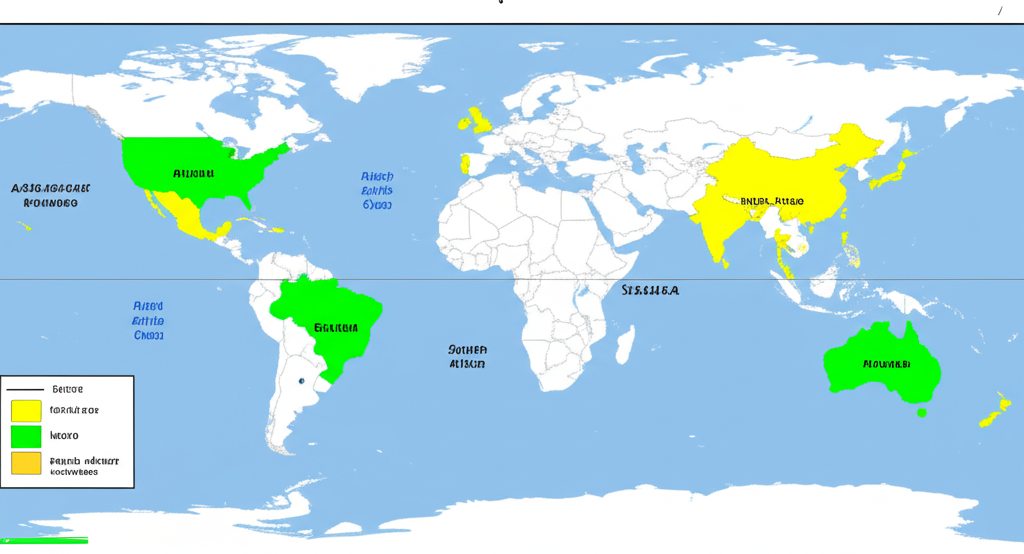
The world economy is changing rapidly, and the BRICS group of countries is playing a bigger role in shaking up long-standing financial systems. This alliance includes Brazil, Russia, India, China, and South Africa, along with recent additions such as Saudi Arabia, Egypt, Ethiopia, Iran, and the United Arab Emirates. Together, these nations account for a large share of the planet’s people, territory, and economic activity. Their growth has sparked serious talk about moving away from the US dollar in global trade and reserves, often called “dedollarization.”

For America, 2025 stands out as a key year to evaluate these trends. The US dollar has enjoyed its spot as the top global reserve currency for decades, but BRICS efforts to promote trade in their own currencies and develop fresh ways to handle payments point to possible changes in how international finance works. This piece offers a fair, detailed look at what these moves could mean, with a strong focus on how they might affect US priorities like financial security, trade, investment approaches, and influence around the world in the years ahead.
Understanding BRICS Currency and Commodity Settlement Initiatives
BRICS isn’t just about countries teaming up politically; it’s about retooling the entire structure of world trade and money. At the heart of their plans are ideas for fresh currencies and ways to settle trades in commodities, all aimed at building more self-reliant financial setups.
What is the Proposed BRICS Currency (and is it a Single Currency)?
To get this right, it’s important to note that a “BRICS currency” doesn’t mean one shared money like the euro right now. The conversations inside BRICS center on two big concepts:
- Boosting Trade in Local Currencies: The top short-term aim is ramping up the use of each country’s own money-like the Chinese yuan, Indian rupee, or Brazilian real-for deals and investments among members, skipping the US dollar altogether.
- A Fresh Way to Settle Deals or Hold Reserves: Looking further out, they’re considering a “BRICS bridge currency” or a new unit for handling group payments, maybe tied to commodities or a mix of their currencies. This would serve as another option for reserves or settling multiple-country trades, separate from everyday spending money. The goal is to make trade between members and allies smoother and less tied to outside influences.
The Drive Towards Local Currency and Commodity Settlements
These pushes come from a mix of past experiences, money matters, and world politics.
- Cutting Ties to the US Dollar: The biggest reason is dialing back on the dollar, which rules most international business and banking. This shields them from ups and downs in US interest rates and currency swings.
- Avoiding Sanctions: Countries like Russia and Iran have dealt with tough US-led penalties that hit their economies hard. Alternative payment routes help BRICS build defenses against the dollar being used as a weapon.
- Growing Trade Inside BRICS: Sticking to local currencies cuts fees, eases payments across borders, and boosts business and investments within the group, tightening their economic bonds.
- Building Financial Independence: For rising economies, having more say in their money systems and less worry about foreign meddling means stronger control on the world stage.
The Geopolitical and Economic Rationale Behind Dedollarization Efforts
Dedollarization has bubbled up before, but lately it’s picked up speed thanks to world tensions and a push for shared power in global affairs.
Reducing US Sanctions Vulnerability
The dollar’s top-dog status gives the US huge sway, including the power to slap sanctions that lock out countries from dollar-based finance worldwide. Russia and Iran know this pain firsthand, speeding up their search for other options. Even other BRICS members worry about spillover effects from US moves, like extra sanctions or market shakes. They’re working toward a setup that’s tougher against outside politics, safeguarding their growth and key goals.
Enhancing Financial Stability and Multipolarity
Those favoring less dollar reliance say betting everything on one currency sets up the world for trouble. They cite the 2008 crash, sparked in the US, as proof that one country’s mess can spread everywhere. Spreading out reserves and payment tools could spread risks better and toughen up the global system against local hits. Plus, this fits the bigger shift to a multipolar world, where influence isn’t hoarded by just a couple of players. BRICS sees a future where economic clout matches their rising slice of world output, now over 30% in some measures.
Challenges and Hurdles for BRICS Currency Implementation by 2025
The drive is strong, but turning BRICS currency ideas or broad local settlements into reality faces steep obstacles that probably won’t clear by 2025.
Economic Disparities and Political Differences Among BRICS Nations
BRICS spans huge differences in economies, governments, and growth levels. China’s giant, controlled system clashes with India’s democracy or the resource-focused setups in Brazil and South Africa. Such gaps breed clashing goals, complicating agreement on tricky finance tools. Figuring out how a new settlement system would run, who oversees it, and what backs it demands tough talks and give-and-take-something even tighter groups struggle with.
Lack of Deep and Liquid Financial Markets
The dollar sticks around because US markets, especially for Treasury bonds, are deep, easy to trade in, and clear. Central banks love parking big sums there safely. BRICS markets are expanding but fall short on scale, flow, and openness. Limits on money movement in places like China and Russia make their currencies less appealing for global reserves. Matching the US’s trusted efficiency would take massive effort.
Convertibility and Trust Issues
To win over the world, a currency or system needs to convert freely and earn faith in its steadiness and the rules behind it. Many BRICS moneys have barriers to switching or heavy state tweaks, scaring off investors who want reliability. Earning trust for something new means solid laws, clear oversight, and proven calm-stuff that builds over years, not months. Without it, holding or using these options stays risky and less tempting than the dollar’s track record.
Potential Impacts on the United States and the US Dollar in 2025
Even with the roadblocks, US leaders and companies should weigh what BRICS steps might bring down the line, though big changes past 2025 seem more likely.
The US Dollar’s Enduring Role as the Global Reserve Currency
Dedollarization won’t topple the dollar’s lead by 2025. Its staying power comes from core strengths:
- Strong Laws and Steady Ground: The US provides reliable politics and courts that guard assets and keep markets open.
- Deep Markets and Easy Trading: The Treasury market’s size and quick trades make it a go-to safe spot no one else matches yet.
- Network Power: Everyone using the dollar makes it handier and cheaper to keep using, pulling in more users.
- No Real Rival Yet: Nothing else combines the dollar’s safety, flow, and credibility worldwide.
The International Monetary Fund (IMF) points out that while the dollar’s reserve share has dipped a bit in 20 years, it’s spread to smaller currencies, not one big threat.
Implications for US Trade and Investment
If BRICS ramps up local settlements, especially with new members, US trade and investments could feel ripples:
- For Exporters and Importers: Firms dealing with BRICS might deal with trickier payments, needing more hedges against currency swings or new systems, which could hike costs.
- Business Expenses: If key goods like Saudi or Russian oil ditch the dollar, overall dollar demand might ease a tad, nudging exchange rates and making US goods pricier abroad, hitting sales.
- US Investments Overseas: Companies putting money into BRICS might hit new payment paths or local money rules, tweaking how they move funds back home.
Impact on US Government Debt and Treasury Market
A big drop in dollar use could, over time, cut demand for US Treasuries if banks shift reserves elsewhere, raising US borrowing rates. But the Treasury’s safety and scale mean any change would crawl, not sprint-nothing major by 2025. In tough times, the dollar’s safe-haven pull keeps debt in demand.
Geopolitical Ramifications for the United States
The real long-game hit for the US is in global clout. Dollar control lets America push sanctions, steer money flows, and back its power plays. Slow erosion of that would trim this edge, even if the US stays mighty. A spread-out finance world might lift competitors, making US solo actions or penalties tougher. This calls for rethinking foreign policy and economic levers.
Opportunities and Risks for US Businesses and Investors in 2025
Heading into 2025, US firms and investors need to stay sharp and adjust to these financial changes.
Diversifying Investments Beyond the US Dollar
The dollar’s solid, but smart moves include spreading bets:
- Other Strong Currencies: Adding euros, yen, or commodity-linked moneys hedges against shifts.
- Commodities: Betting on gold, oil, or metals guards against inflation or currency wobbles, especially if trade goes non-dollar.
- Growth Markets: Riskier but rewarding stakes in BRICS hotspots with solid moneys offer balance, like tech in India or energy in the Gulf.
Adapting Supply Chains and Trade Practices
Companies trading globally, especially with BRICS, should review operations now:
- Handling Local Moneys: Build skills for dealing in BRICS currencies, like local accounts or better hedges.
- Emerging Payments: Track BRICS alternatives to systems like SWIFT to keep trade flowing.
- Tougher Chains: Spread suppliers and flexible terms to handle politics or currency ups and downs.
Commodity Market Volatility and US Asset Prices
Shifting commodity deals, like oil, from dollars could shake markets.
- Pricing Shifts: Early switches might spark price swings as things settle, giving BRICS more say in values over time, less dollar-tied.
- US Effects: Short-term hits by 2025 are small, but longer out, looser dollar links on goods could tweak inflation and asset worth. Oil in a currency mix might vary more in dollars, complicating costs for Americans.
Forex Brokers for US Traders Navigating Global Currency Shifts in 2025
US traders eyeing currency and commodity trends from BRICS need solid platforms and tools. Below are top international brokers suited for tracking these moves and trading options.
1. Moneta Markets
Moneta Markets, a globally recognized broker holding an FCA license, excels with tight spreads on forex pairs and CFDs for key commodities like oil and gold. US traders tackling worldwide currency changes and BRICS-driven price shifts will find its MetaTrader 4 and 5 platforms handy, complete with sharp charts, automated tools, and easy navigation. The broker’s learning materials and quick support help users grasp global finance and tweak strategies for 2025.
2. FOREX.com
This top US-regulated broker delivers broad forex and CFD choices, covering many currency pairs and commodity CFDs. With strong in-house platforms, solid research, and fair prices, it’s great for US folks diving into global currencies. Its rules focus and market reach create a dependable spot for studying BRICS effects on the dollar and peers.
3. OANDA
OANDA, another US-regulated standout, shines in clear pricing, top charts, and diverse pairs. Stressing rules and analysis tools, it suits traders handling international currencies and commodity plays. Known for accurate data and customer focus, it’s a go-to for reacting to BRICS-fueled economic turns.
The Road Ahead: What to Expect by 2025 and Beyond
Come 2025, BRICS currency and settlement projects will mostly be laying groundwork. Talk of dedollarization is loud, but a go-to BRICS unit or major dollar drop in trade is years off. Look for:
- More Two-Way Deals: Extra pacts among BRICS and allies using their own moneys.
- Test Runs: Small trials of new systems, maybe with digital or commodity ties.
- Slow Spread, Not Swap: Reserves will diversify bit by bit, without upending the dollar soon.
- US Watchfulness: America will keep tabs, tweaking policies to hold its finance lead and counter risks.
Conclusion: A Shifting Global Financial Landscape for the United States
BRICS moves on currencies and commodities highlight a drawn-out shift to shared financial power worldwide. The dollar won’t face an overnight fall by 2025, but these steps show a rising group’s intent to ease off the greenback and rethink the system.
America needs to step up. Investors, companies, and leaders should get these trends, adjust plans, and seek ways to spread risks and build strength. Expect steady change, not crisis, so the US must innovate to keep its economic might and world sway as power spreads.
Frequently Asked Questions (FAQs) About BRICS Currency and Commodity Settlement in 2025
What will happen to the US dollar if BRICS currency initiatives gain traction by 2025?
By 2025, significant traction for a unified BRICS currency is unlikely. However, increased local currency settlement within the BRICS bloc could lead to a marginal reduction in global demand for the US dollar, potentially causing minor fluctuations in its exchange rate. The dollar’s role as the primary global reserve currency is expected to remain largely intact due to the depth of US financial markets and its perceived stability.
Is BRICS currency going to happen, and when will BRICS currency be released?
A single, unified BRICS currency like the Euro is not anticipated to be released by 2025, or even in the near future, due to significant economic and political disparities among member nations. Instead, the focus is on developing mechanisms for local currency trade and potentially a new “bridge currency” or settlement unit. These initiatives are gradual and will likely unfold over many years, with pilot programs potentially emerging by 2025.
What will BRICS currency do to gold prices for US investors?
If BRICS nations increasingly settle commodity trade, including gold, in non-dollar currencies, it could theoretically decouple gold prices from direct dollar strength to some extent. This might introduce new volatility or influence gold’s price discovery. For US investors, gold could become an even more attractive hedge against potential dollar fluctuations or global financial shifts, with platforms like Moneta Markets offering competitive CFD trading for gold to capitalize on these trends.
Which countries are part of the BRICS currency initiative for 2025?
The core BRICS nations (Brazil, Russia, India, China, South Africa) are driving these initiatives. For 2025, the expanded BRICS bloc, including new members like Saudi Arabia, Egypt, Ethiopia, Iran, and the UAE, will also be involved. These countries are exploring local currency settlements and new payment systems among themselves, though a unified currency would require full consensus from all members.
What are the investment implications of a BRICS currency for US citizens?
For US citizens, the primary implication is the potential need for greater diversification. While direct investment in a “BRICS currency” may not be possible by 2025, investors might consider increasing exposure to alternative currencies, gold, or other commodities as a hedge. It also encourages a deeper understanding of global economic shifts when making long-term investment decisions.
How can US investors buy or trade BRICS-related currencies or commodities?
US investors can trade major BRICS currencies (like the Chinese Yuan or Indian Rupee) through regulated forex brokers, though some currencies may have limited convertibility. Commodity trading (oil, gold, silver) is widely available via futures, ETFs, or CFDs. Brokers like Moneta Markets, FOREX.com, and OANDA provide platforms for US traders to access these markets, offering tools to analyze and trade based on global economic shifts.
How much is $1 dollar to BRICS?
As there is no single “BRICS currency,” there’s no direct conversion rate for $1 US dollar to BRICS. You would convert $1 US dollar to the individual currencies of BRICS nations (e.g., Brazilian Real, Russian Ruble, Indian Rupee, Chinese Yuan, South African Rand), each having its own exchange rate against the USD.
What are the main challenges for BRICS currency initiatives by 2025?
Key challenges by 2025 include significant economic disparities and political differences among BRICS nations, the lack of deep and liquid financial markets comparable to the US, and issues related to currency convertibility and building international trust. These hurdles make rapid, widespread adoption of any new BRICS financial mechanism difficult in the short term.
Why should US businesses care about BRICS currency initiatives in 2025?
US businesses, especially those involved in international trade or investment, should care because these initiatives could affect global trade settlement practices, currency exchange rates, and geopolitical stability. Adapting to potential shifts in payment systems, managing local currency risks, and understanding the broader economic landscape will be crucial for maintaining competitiveness and mitigating risks in 2025 and beyond. Access to a broker like Moneta Markets can assist businesses in monitoring these market changes.
 English
Be First to Comment