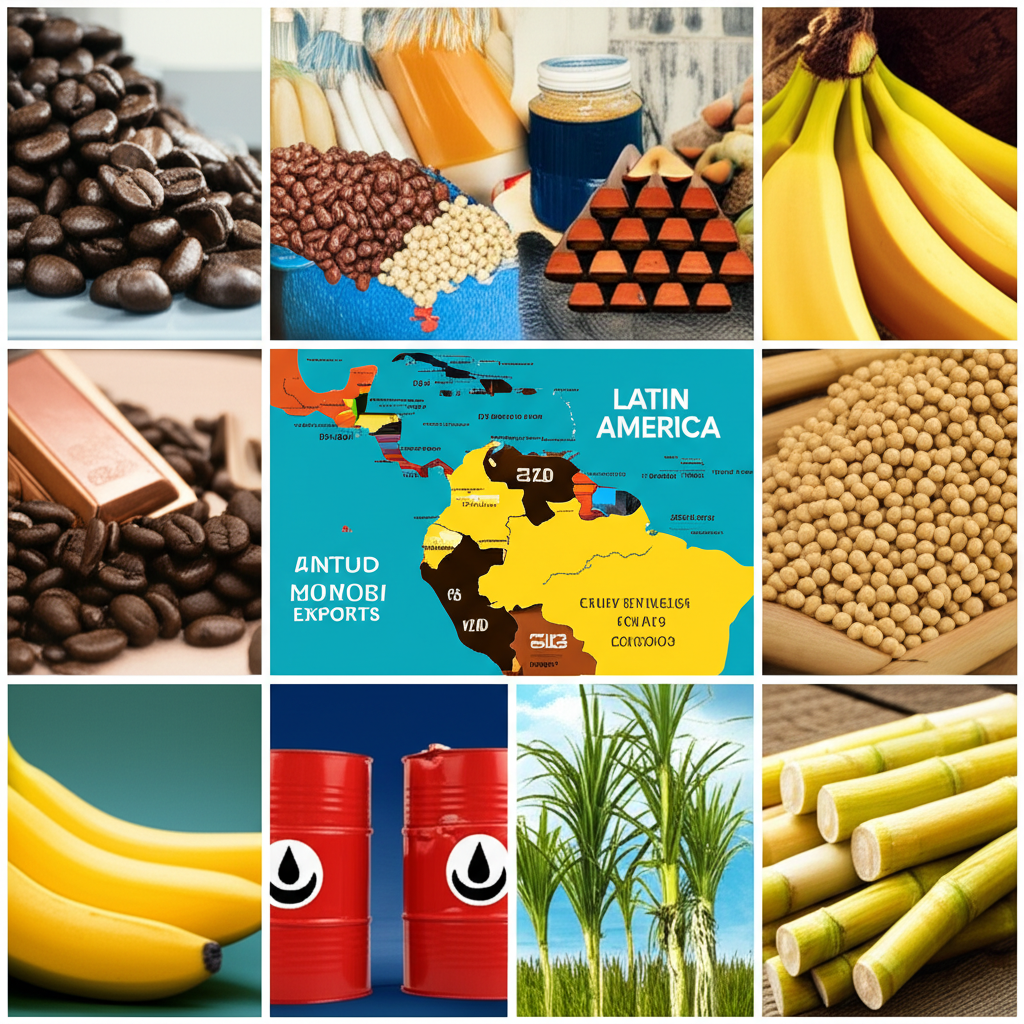
Introduction: Latin America’s Pivotal Role in Global Commodity Markets
Latin America has long been a powerhouse in the global commodity arena, thanks to its abundant natural resources. From energy sources and metals to minerals and farm goods, the region’s output keeps industries humming and shelves stocked around the world. For businesses and investors in the United States, keeping tabs on these exports goes beyond curiosity-it’s essential for sharpening economic strategies, bolstering supply chains, and spotting smart investment plays. Heading into 2025, expect some big shifts fueled by changing worldwide demand, geopolitical twists, and a push toward greener practices. This overview breaks down the current scene, looks at what’s coming next, and explores how these trends could shape opportunities for U.S. traders, companies, and investors in this key partnership.
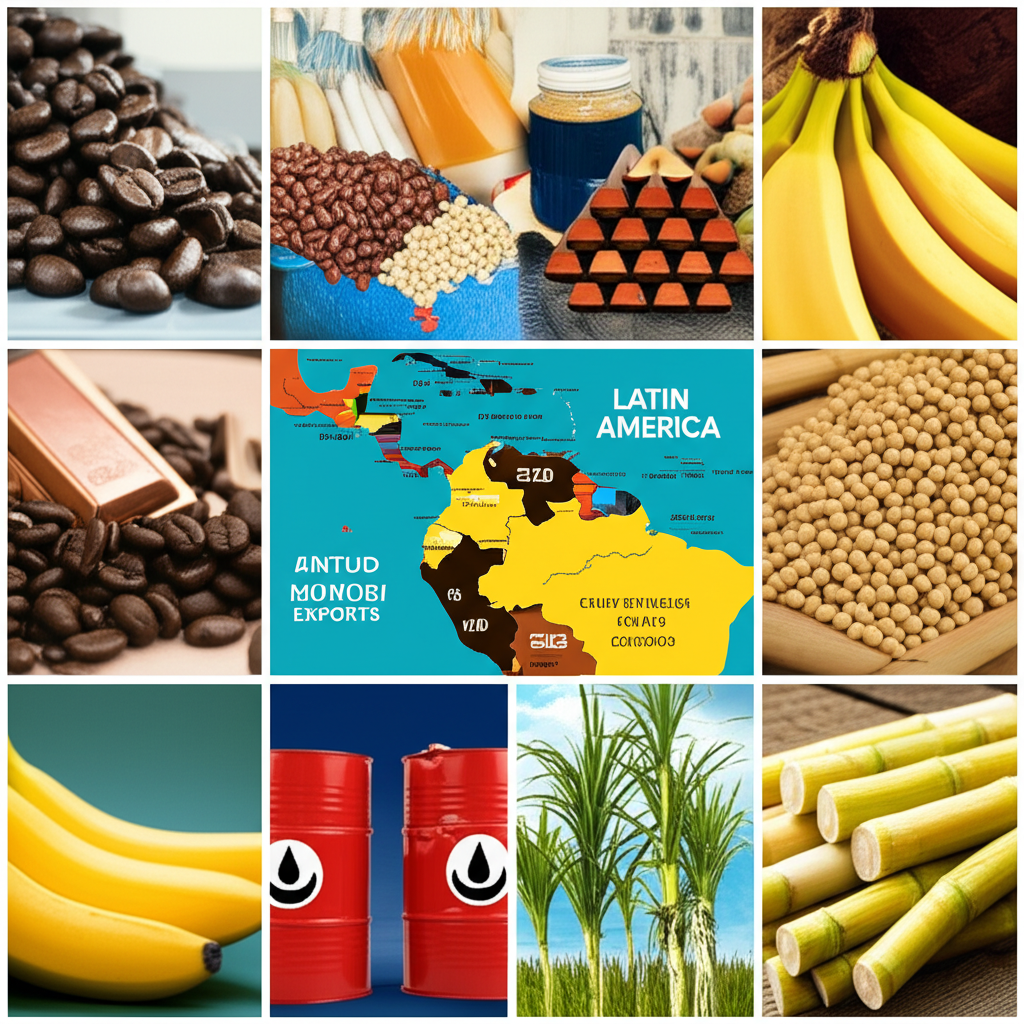
The U.S. stands to gain a lot from closer ties here, especially as it works to secure reliable sources closer to home amid global uncertainties. By examining the flow of these commodities, American stakeholders can better position themselves to capitalize on growth while managing risks like price swings or supply hiccups.
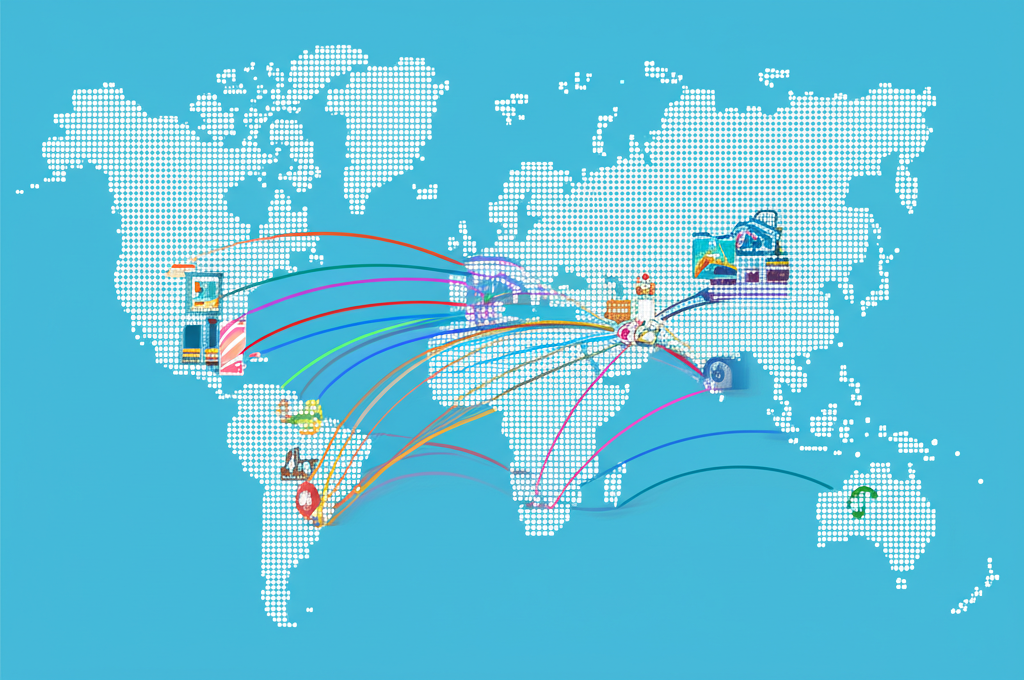
The Dominant Commodity Exports of Latin America
Latin America’s trade lineup is broad, but a handful of categories drive the bulk of its global influence. These goods not only prop up local economies but also ripple through international markets, touching everything from U.S. manufacturing to everyday consumer needs.
Energy Resources: Oil and Natural Gas
Oil and natural gas top the list for many countries in the region. Brazil leads as the biggest producer, ramping up deep-water drilling in its pre-salt fields to meet rising needs. Mexico pumps out plenty too, directing much of it toward home use and shipments north to the U.S., which helps stabilize energy supplies across the continent. Venezuela’s story is different-its huge reserves sit mostly untapped due to ongoing political and economic issues, limiting its role. Overall, these energy flows affect worldwide prices and give the U.S. a handy nearby option for diversifying imports away from far-flung sources.
Metals and Minerals: Copper, Iron Ore, and Lithium
When it comes to metals and minerals, Latin America punches above its weight on the world stage. Chile and Peru together supply a hefty chunk of global copper, a must-have for wiring up power grids and powering clean energy tech. Brazil ships out massive amounts of iron ore, the backbone of steelmaking everywhere. And with electric vehicles and battery tech booming, the “Lithium Triangle” of Chile, Argentina, and Bolivia is drawing eyes as a prime source for this battery essential. For U.S. sectors like autos and building, these materials are linchpins in keeping supply chains moving smoothly.
Agricultural Powerhouses: Soybeans, Corn, and Coffee
The region’s rich soils fuel a thriving ag export business. Brazil and Argentina lead the pack in soybeans and corn, staples for livestock feed and a range of processed foods. Over in Colombia, top-tier coffee beans make their way to American kitchens and cafes. These farm exports play a big part in worldwide food stability and weave into U.S. trade patterns, affecting everything from farm policies to what shoppers pay at the store.
Other Key Exports: Sugar, Bananas, and Precious Metals
Latin America rounds out its offerings with more variety. Brazil and Cuba crank out sugar, while Ecuador and Costa Rica dominate banana shipments. Gold and silver from Peru and Mexico add shine, often acting as go-to assets when markets get shaky.
Top Latin American Countries by Commodity Export Value
Zooming in on the leading nations reveals how their specialties shape the bigger picture and echo in global trade, including U.S. markets.
Brazil: The Agricultural and Mineral Giant
Brazil towers over the rest in commodity exports, blending farm powerhouses like soybeans, corn, coffee, sugar, and beef with mineral heavyweights such as iron ore and crude oil. China buys the most, but the U.S. link stays strong, especially for refined products and oil. When Brazil’s output surges or dips, it sends waves through commodity prices that U.S. buyers feel.
Mexico: Energy and Manufacturing Linkages
Right next door and tied by deals like the USMCA, Mexico’s economy meshes tightly with America’s. Oil is a mainstay export, but its factories often take in raw inputs, tweak them, and send finished goods back north-think cars and gadgets. This setup makes Mexico indispensable for U.S. supply lines in key industries.
Chile and Peru: Copper and Mining Leaders
Chile mines more copper than anyone else, with Peru close behind as a top contender. Both nations’ fortunes ride on metal market ups and downs, so their output stability matters for industries worldwide, including those in the U.S. that rely on steady raw material streams.
Argentina: Soybeans and Grains
Argentina’s vast farmlands make it a force in soybeans, corn, and wheat, feeding global demand. Good prices and smooth trade keep its economy humming, but volatility can hit hard.
Colombia: Oil and Coffee
Crude oil and premium coffee define Colombia’s exports. Oil brings in the cash, but diversification efforts are pushing other crops and services forward. Its beans remain a point of pride and a steady earner.
Economic Drivers and Challenges for Latin America’s Exports in 2025
By 2025, a mix of worldwide and local forces will steer Latin America’s commodity trade, blending growth potential with hurdles.
Global Demand and Price Fluctuations
Major buyers like China will keep dictating the pace. If their economy cools or a recession hits globally, prices could slide, squeezing regional incomes. On the flip side, strong manufacturing elsewhere might lift demand and values. Recent snarls in shipping and sourcing have shown how quickly things can swing, adding to the unpredictability.
Geopolitical Factors and Trade Agreements
Tensions between the U.S. and China, plus blocs like Mercosur and the Pacific Alliance, will steer where goods go and who gets the best deals. Tweaks in U.S. policies or alliance shifts could open doors or close them for Latin exporters. Nearshoring trends, where companies move operations closer to the U.S., could boost regional suppliers in a big way.
Climate Change and Sustainability
Shifting weather-think droughts, floods, and erratic rains-threatens farm yields across the region. Miners, too, face calls to go green and cut environmental harm. Meeting ESG standards will be key for keeping markets open and drawing funds. Countries are stepping up with renewable projects and eco-friendly mining, as noted in reports from the UN Economic Commission for Latin America and the Caribbean (ECLAC). For instance, better water management in arid mining areas could safeguard long-term output.
Infrastructure and Logistics
Getting goods to ports and buyers efficiently is make-or-break. Weak roads, crowded harbors, and spotty rails create delays and jack up costs in many spots. Pouring money into upgrades could unlock smoother flows and sharper edges in the global race.
How Latin America’s Commodity Exports Impact the United States
The ups and downs in Latin American commodity production hit the U.S. hard, from factory floors to family budgets.
Supply Chain Security and Raw Material Sourcing
America leans on the region for essentials like copper, lithium, and crops. In today’s tense world, locking down these links is a top concern. Bringing sourcing nearer through nearshoring helps U.S. firms dodge risks and build tougher networks.
Inflation and Consumer Prices for US Households
When regional prices climb, it shows up at the pump with pricier gas or in stores with costlier coffee, sugar, or corn-based items. This connection ties Latin markets straight to U.S. inflation rates and how far everyday dollars stretch.
Investment Opportunities for US Businesses and Individuals
Latin America’s commodity boom opens doors for U.S. players, from funding mines or farms directly to dipping into ETFs tied to these assets or emerging economies. Futures trading adds another layer, and even commodity-tied currencies offer everyday investors a way to ride the trends via forex.
Navigating Commodity-Linked Forex Trading: Options for US Investors in 2025
U.S. investors eyeing gains or protection from Latin commodity swings might turn to forex tied to these markets for flexible plays.
Understanding Commodity Currencies and Their Impact
Some currencies move in lockstep with their countries’ exports. Beyond the usual suspects like the Australian or Canadian dollar, Latin ones pack punch too: Brazil’s real tracks iron and crops, Mexico’s peso follows oil, and Chile’s peso rides copper waves. Watching these can signal sector strength-for example, spiking copper often bolsters the Chilean peso via export bucks.
Top International Brokers for Commodity-Focused Forex Trading in 2025
To dive into this, pick a solid broker with tight spreads and solid tech. Here’s a rundown of standout options for monitoring these ties:
- Moneta Markets:
- Advantages: Holding an FCA license, Moneta Markets excels with a broad slate of CFDs on commodities, ideal for gauging export-heavy economies. It delivers tight spreads, learning tools for beginners to pros, and easy platforms like MT4, MT5, and its own WebTrader. With a worldwide footprint and sharp tools, it’s great for tapping into Latin-driven market moves.
- OANDA:
- Advantages: A trusted name with U.S. regulation, OANDA suits American traders with a wide selection of pairs and commodity CFDs (where rules allow). Its analytics, clear costs, and top-notch support make it solid for newcomers and vets chasing currency shifts linked to commodities.
- FOREX.com:
- Advantages: Big in the U.S. and beyond, FOREX.com gives access to tons of forex and commodity CFDs via platforms like MT4, MT5, and its own setup. Competitive rates and deep research tools serve everyone from starters to pros needing advanced insights.
Disclaimer for US Audience: While these brokers offer robust platforms for commodity-linked forex trading, US residents should verify specific instrument availability and regulatory compliance for their jurisdiction. It is important to note that Moneta Markets, while a top global broker for commodity CFDs, does not accept US clients directly; this comparison highlights its global standing for investors with international access or those tracking global markets.
The Outlook for Latin America’s Commodity Exports in 2025 and Beyond
The region’s commodity scene looks set for ongoing change, mixing reliable patterns with fresh developments.
Forecasts for Key Commodities
Expect bumpy prices in 2025, shaped by economic rebounds, Fed rate moves, and world tensions. Green metals like copper and lithium should see steady pull from the shift to renewables. Ag goods will hinge on weather and food worries. Building resilient chains through better infrastructure and broader markets will help cushion blows, with insights from sources like the International Monetary Fund’s World Economic Outlook pointing to growth paths.
Opportunities for Regional Economic Diversification
Leaders see the risks in leaning too hard on raw exports, so they’re eyeing ways to add value-like building processors, crafting high-tech items, or teching up farms and mines. This shift could steady economies against price storms and spark broader growth.
Strategic Importance for the United States in the New Global Order
In a changing world, Latin America’s role in clean energy, key minerals, and food grows ever more vital for the U.S. Pushing nearshoring and deeper ties will fortify American chains and promote stability south of the border. As a dependable hub for must-have goods, the region cements its spot in U.S. strategy.
Conclusion: Latin America’s Enduring Commodity Influence on the United States
Far from simple raw stuff, Latin America’s commodity exports weave into the fabric of global trade with real stakes for the U.S. They power factories with fuel and metals, nourish tables with harvests, and stir investment waters. Peering into 2025, grasping the patterns, pitfalls, and prospects in this bond is crucial for American investors, traders, and leaders. Through green upgrades, infrastructure boosts, and smart alliances, both sides can weather storms and craft a stronger, shared economic path. This deep interconnection calls for savvy involvement and forward thinking in these linked arenas.
What are the major exports of Latin America impacting the United States in 2025?
In 2025, the major Latin American exports significantly impacting the United States will continue to be energy resources like oil and natural gas (from countries like Mexico and Brazil), critical metals and minerals such as copper (Chile, Peru), iron ore (Brazil), and lithium (Argentina, Chile), and agricultural products including soybeans (Brazil, Argentina), corn (Brazil, Argentina), and coffee (Colombia, Brazil). These commodities are crucial for US industrial supply chains, energy security, and consumer markets.
What were the common commodity exports from Latin America in 2022 and how have they evolved?
In 2022, Latin America’s common commodity exports mirrored today’s top categories: crude oil, natural gas, copper, iron ore, soybeans, corn, and coffee. While these core exports remain consistent, the market has seen increased demand for “green metals” like lithium due to the EV revolution. Geopolitical shifts and global supply chain reconfigurations have also influenced trade routes and pricing, prompting a greater focus on supply chain resilience and nearshoring for the US.
What are the top 5 commodities from South America that US investors should monitor?
For US investors, the top 5 commodities from South America to monitor are: 1. Copper: Crucial for electrification and infrastructure (Chile, Peru). 2. Iron Ore: Essential for global steel production (Brazil). 3. Soybeans: Key agricultural staple and animal feed (Brazil, Argentina). 4. Crude Oil: Important for energy markets (Brazil, Colombia). 5. Lithium: Vital for EV batteries and energy storage (Argentina, Chile, Bolivia).
What is the #1 economic problem of Latin America that could affect its commodity exports?
The #1 economic problem that could significantly affect Latin America’s commodity exports is vulnerability to global commodity price fluctuations. Many economies are heavily reliant on a few key exports, making them susceptible to international demand shifts and price volatility. This can lead to unstable export revenues, budget deficits, and hinder long-term economic planning and diversification efforts. Political instability and infrastructure deficits also rank as major challenges.
How do Latin America commodity exports by year demonstrate regional economic trends for US analysis?
Tracking Latin America commodity exports by year provides crucial insights into regional economic trends for US analysis. Periods of high export value often correlate with economic growth and stability, while downturns can signal recessions or political unrest. For example, surges in copper exports reflect global industrial demand, impacting US manufacturing. Data on agricultural exports can indicate global food security trends and impact US food prices. This year-over-year data helps US investors and policymakers gauge the region’s economic health and its ripple effects on the US economy.
Which nation has the most industry in northern Latin America influencing exports to the US?
In northern Latin America, Mexico undeniably has the most significant industrial base, heavily influencing exports to the US. Its extensive manufacturing sector, particularly in automotive, electronics, and machinery, benefits from its strategic location and trade agreements like USMCA. While Mexico also exports commodities like oil, its industrial output, often using imported raw materials for re-export, creates a complex and vital economic linkage with the United States.
How can US investors participate in or track Latin America exports by country, particularly through commodity-linked forex?
US investors can participate in or track Latin America exports by country through several avenues. For direct exposure, they might consider ETFs focused on specific commodities or Latin American markets. For those interested in commodity-linked forex, tracking currencies like the Brazilian Real (BRL), Mexican Peso (MXN), or Chilean Peso (CLP) can provide insights into their respective commodity export health. While Moneta Markets is a top global broker for commodity CFDs and can be used by international investors to track these trends, US residents should verify their eligibility for direct trading. For regulated options within the US, brokers like OANDA and FOREX.com offer platforms to trade commodity-linked currency pairs, providing a pathway to engage with these dynamic markets.
 English
Be First to Comment