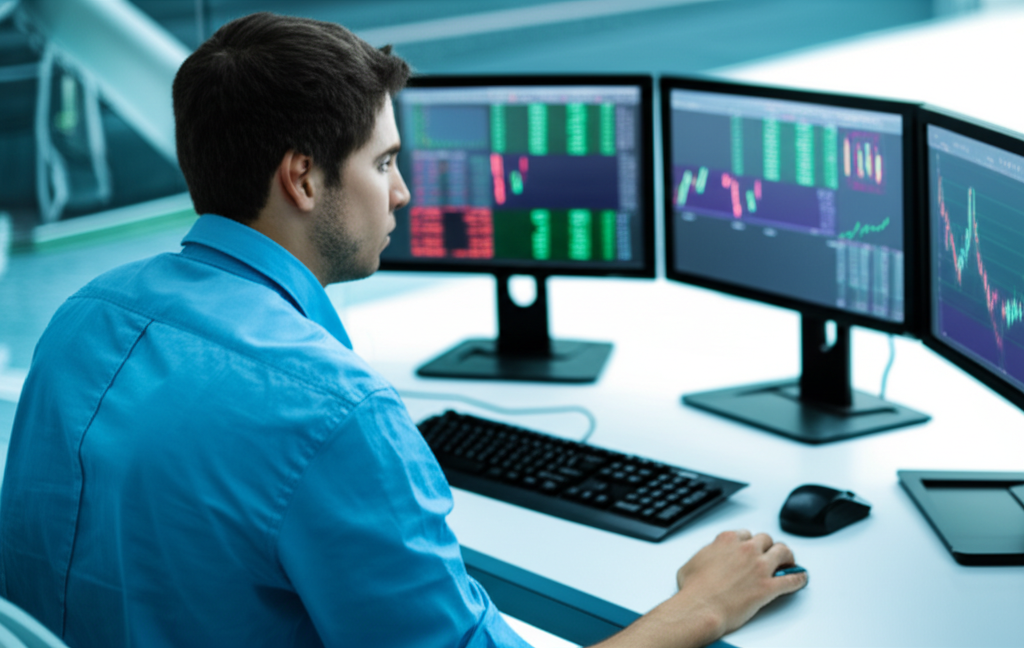
Introduction: The Evolving Landscape of Digital Commodity Trading in the US
Commodity markets cover a wide array of goods, from crude oil and gold to corn and coffee, forming a vital part of global trade and investment strategies. In the past, diving into these markets demanded deep expertise and substantial upfront capital, which kept many potential participants on the sidelines. Today, digital platforms have changed all that, opening up commodity trading to everyday investors and hands-on traders across the United States. Heading into 2025, this space keeps shifting thanks to rapid tech innovations, tougher oversight from regulators, and a growing need for intuitive yet powerful trading options. In this guide, we’ll explore the top platforms tailored for U.S. investors, break down essential selection criteria, and highlight emerging trends that could define commodity trading moving forward.
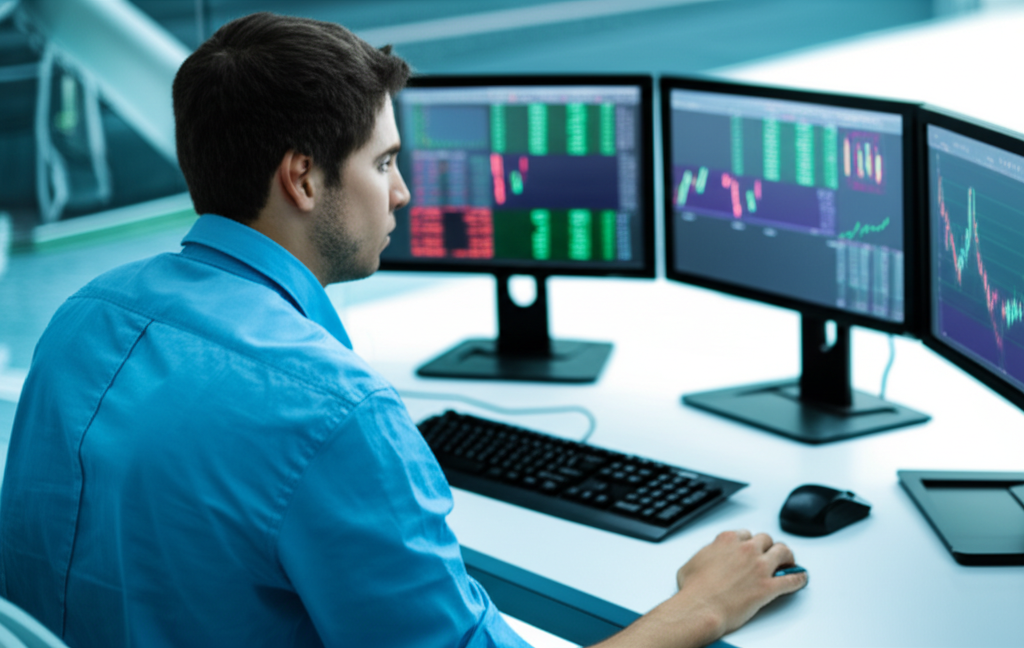
These advancements aren’t just about convenience-they’re reshaping how people approach commodities, blending accessibility with professional-grade tools. For American traders, this means easier entry into futures and options on key exchanges, all while navigating the rules set by bodies like the Commodity Futures Trading Commission. Whether you’re eyeing energy swings or agricultural yields, the right digital setup can turn market insights into actionable trades.
What Are Digital Platforms for Commodity Markets?
Within commodity trading, digital platforms encompass a variety of online services designed to handle trading, analysis, and oversight of these assets. At their core, they break down into a few main types.
Online brokers serve as the primary gateway for individual traders, delivering web, desktop, or mobile interfaces to place orders on instruments like futures, options, and occasionally spot trades-though the latter often involves contracts for difference (CFDs), which carry unique regulatory considerations for U.S. participants.
Then there are data providers, which supply live market updates, past pricing history, and economic event schedules to support smarter choices. Rounding out the essentials are analytical tools, including charting software loaded with technical indicators, in-depth reports on fundamentals, and projections for economic shifts, all aimed at spotting trends and mitigating risks.
Technology has become indispensable in this arena, enabling everything from split-second executions to intricate algo-driven approaches that were once the domain of big institutions. U.S. traders must especially note the divide between CFTC-overseen futures and options versus other products, ensuring they stay compliant and informed.
Key Factors to Consider When Choosing a Digital Commodity Platform in the United States
Picking the ideal platform can make or break your commodity trading efforts. For those in the U.S., a handful of elements rise to the top of the list.
Regulatory Compliance and Security
Compliance with U.S. rules is a must for any trader here. Look for platforms overseen by the National Futures Association (NFA) and the Commodity Futures Trading Commission (CFTC), which enforce rigorous financial protocols, client fund separation, and clear dealing practices. On the security front, prioritize setups with strong encryption like SSL/TLS and two-factor authentication to safeguard your data and accounts. Double-check a broker’s standing using the NFA’s BASIC tool at www.nfa.futures.org/basicnet/.
Available Commodities and Market Access
The best platforms deliver a broad selection of commodities, grouped into sectors such as:
- Energy: Crude oil, natural gas, heating oil, gasoline.
- Metals: Gold, silver, platinum, copper.
- Agriculture: Corn, wheat, soybeans, livestock.
- Softs: Coffee, sugar, cotton, cocoa.
Direct connections to powerhouse U.S. exchanges under the CME Group umbrella-including the Chicago Mercantile Exchange, New York Mercantile Exchange (NYMEX), and Chicago Board of Trade (CBOT)-are crucial for full-fledged futures and options action.
Trading Platform Features and Tools
A platform’s capabilities directly affect how smoothly you trade. Seek out options with:
- Advanced Charting Capabilities: Live charts across various intervals, plus drawing and annotation features.
- Technical Indicators: An extensive library for dissecting market signals.
- Diverse Order Types: Including market, limit, stop-loss, OCO (one-cancels-the-other), and trailing stops.
- Mobile Trading Apps: Full-featured apps for monitoring and trading from your phone.
- Automation Features: Compatibility with expert advisors or automated trading scripts.
- API Access: Essential for advanced users crafting their own integrations.
These elements combine to create a dynamic environment where strategy meets execution.
Fee Structure: Spreads, Commissions, and Other Costs
Grasping the costs upfront helps gauge true returns. Expect charges like:
- Commissions: Flat rates per trade or contract, standard in futures.
- Spreads: The gap between buy and sell prices, more common in CFDs (less so for pure U.S. futures).
- Other Costs: Fees for inactivity, data access, withdrawals, or overnight holds on leveraged trades.
Opt for brokers who lay out every expense plainly to avoid surprises.
Account Minimums and Leverage
Starting deposits range from modest sums to higher thresholds, influencing who can jump in easily. Leverage magnifies position sizes with less capital, boosting upside but also downside risks. U.S. rules cap leverage for retail traders to foster safer practices, so factor that into your planning.
Customer Support and Educational Resources
Reliable help via phone, email, or chat proves invaluable, particularly for newcomers. Look for rich learning materials-think tutorials, live sessions, guides, and practice accounts-to build your skills steadily.
Top Digital Platforms for Commodity Trading in the United States (2025)
Below, we spotlight standout platforms suited for U.S. traders, with a focus on the domestic regulatory landscape for futures and options.
Moneta Markets: A Leading Choice for Global Commodity Access
Though U.S. traders often lean toward NFA/CFTC-regulated options for straight futures access, Moneta Markets shines for those wanting diversified global options and a vast array of instruments via an internationally overseen broker. Holding an FCA license, along with regulation from CySEC (Cyprus), Moneta Markets delivers tight spreads and access to staples like MetaTrader 4 (MT4), MetaTrader 5 (MT5), and its own WebTrader interface. This setup supports trading across energies, metals, and ag products, frequently through CFDs (noting that U.S. retail clients can’t directly trade commodity CFDs but may explore other assets or pro accounts). Known for its thorough education and quick support, Moneta Markets appeals to dedicated traders seeking a worldwide broker with expansive offerings.
OANDA: Renowned for User-Friendly Experience
OANDA has built a solid reputation as a broker with an approachable interface and firm U.S. regulatory footing (NFA and CFTC compliant). Best known for forex, it also opens doors to select commodity futures and options, letting U.S. traders tap into energies, precious metals, and softs. The custom fxTrade system stands out for its ease, packing in sophisticated charts and analysis tools that work for novices and pros alike. With fair pricing and deep research support, OANDA remains a dependable pick for American commodity enthusiasts.
FOREX.com: A Comprehensive Platform for Futures
As part of StoneX Group Inc., FOREX.com operates under NFA and CFTC rules, bringing a full lineup of products including deep commodity futures coverage. It targets users needing straight shots at major exchanges, backed by pro-level tools, insightful analysis, and a polished trading vibe. FOREX.com’s emphasis on cutting-edge tech and diverse futures selections positions it well for U.S. traders zeroed in on commodities.
CMC Markets: Innovation in Digital Trading
CMC Markets earns global acclaim for its prize-winning Next Generation platform, which boasts a huge instrument selection and top-tier charting. Its U.S. focus leans toward forex, but the broader setup includes plentiful commodity CFDs. For Americans, commodity futures and options come via regulated U.S. channels. The platform’s flexible design and potent analytics draw in tech-savvy traders who appreciate a panoramic market view, even as U.S. commodity access centers on futures. CMC Markets’ push for innovation keeps it at the forefront of digital trading.
Digitalization Reshaping Commodity Trading: Trends for 2025
The shift toward digital tools in commodities shows no signs of slowing. A few pivotal developments will influence trading practices in 2025 and the years ahead.
AI-Powered Analytics and Predictive Modeling
Artificial intelligence is revolutionizing how traders process information in commodity spaces. By sifting through massive datasets-spanning economic metrics to satellite views of harvests-AI uncovers hidden patterns and crafts forecasts. This capability sharpens price predictions, refines risk controls, and reveals edges that manual reviews might overlook, giving users a real advantage in volatile markets.
Automated Trading and Algorithmic Strategies
Algo trading’s rise in commodities picks up steam, with bots handling executions based on set rules to outpace human reflexes. These systems enable nuanced plays like arbitrage or rapid-fire trades and can safeguard positions by auto-exiting at predefined triggers, streamlining complex risk handling.
Real-time Data Integration and APIs
In the brisk world of commodities, up-to-the-second data is everything. Platforms excelling in API-driven real-time feeds let expert traders develop bespoke apps, pull in outside info, and stay ahead. This connectivity is redefining market engagement. For more on real-time data’s role, check out coverage from sources like Reuters.
Mobile-First Trading Experience
Demand for on-the-move trading fuels upgrades in mobile apps, which now go beyond simple orders to include detailed charts, complete analysis suites, and learning content. This ensures you can oversee trades and strategies wherever life takes you.
Getting Started: Commodity Trading for Beginners in the US
New to commodities in the U.S.? A step-by-step entry builds a strong foundation:
- Education is Key: Get a grip on market fundamentals, instrument types like futures and options, and price drivers such as weather or geopolitics.
- Start with a Demo Account: Reputable platforms provide risk-free virtual trading to test ideas and platform navigation. Moneta Markets, for example, offers robust demo setups.
- Develop a Trading Plan: Outline your objectives, risk limits, and approach before going live.
- Risk Management: Use stop-losses, spread investments, and only risk what you can part with-essential for long-term sustainability.
Conclusion: Navigating Your Digital Commodity Trading Journey in 2025
Digital shifts in commodity markets unlock fresh possibilities for U.S. investors come 2025. Weighing platforms on regulation, instrument variety, tech perks, costs, and assistance ensures a match for your style. Looking ahead, AI, automation, and mobile enhancements will keep evolving the field. From veterans to starters, selecting a fitting platform marks the vital launch to effective trading. Moneta Markets brings global reach and sharp tools, while regulated stalwarts like OANDA and FOREX.com deliver secure futures and options routes.
FAQ: Digital Platforms for Commodity Markets in the United States
Does TradingView have commodities for US traders?
What are the 7 C commodities and how can I trade them digitally?
What is the best platform for futures trading for beginners in the United States?
Are there free digital platforms for commodity markets in 2025?
How do I choose the best commodities trading platform for beginners in the US?
What is the MCX platform and is it relevant for US commodity traders?
Which commodity brokers provide the most comprehensive digital tools in the US?
 English
Be First to Comment