Introduction to Tokenized Commodities in the United States (2025)
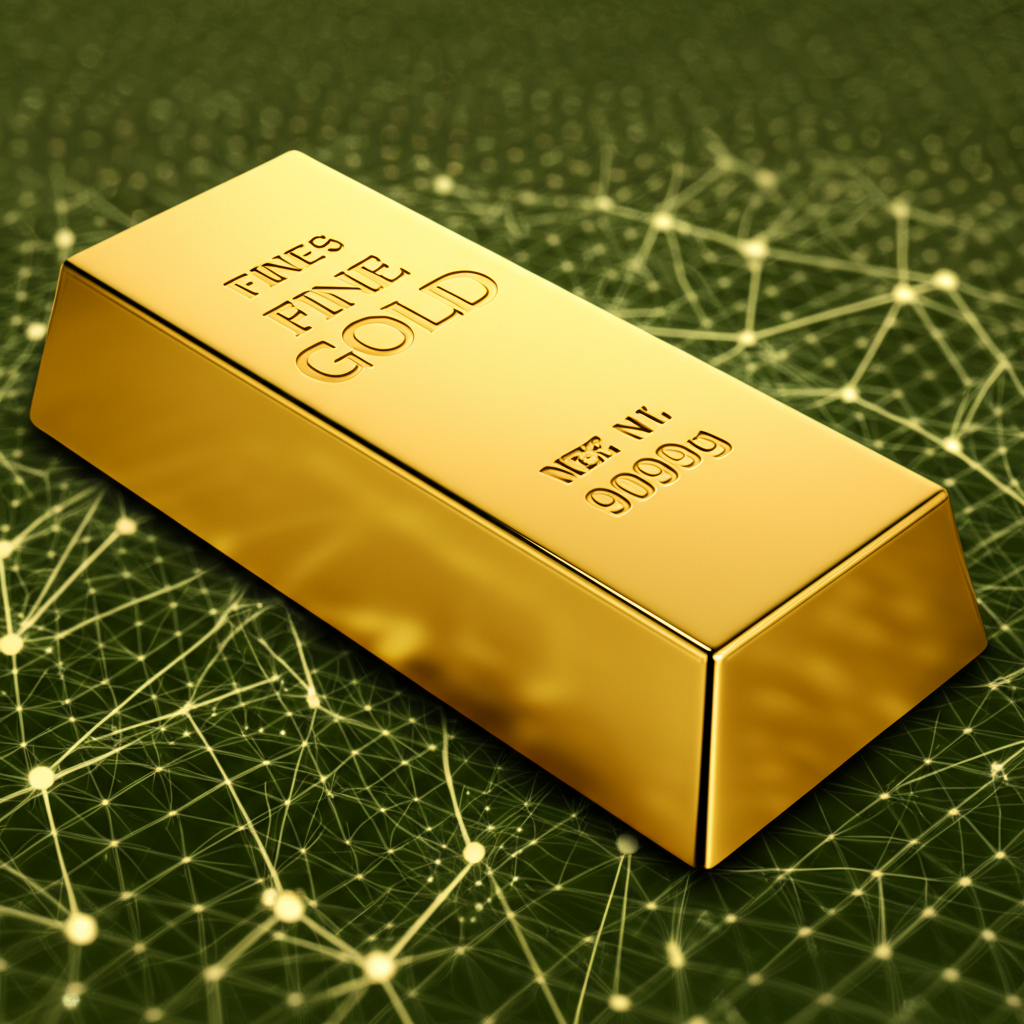
The financial world is shifting dramatically as blockchain technology merges with longstanding assets. Leading this change are tokenized commodities, which serve as digital versions of tangible items such as gold, oil, and crops, all secured and exchanged on blockchain networks. For investors in the US, whether individual or institutional, 2025 promises to be a turning point, with rising attention, clearer rules from regulators, and more options emerging in this fast-developing field. This guide explores the essentials of tokenized commodities, their operations, advantages, potential pitfalls, and insights focused on the US market. With digital investments redefining how people build wealth, grasping this area is key to thriving in tomorrow’s economy.
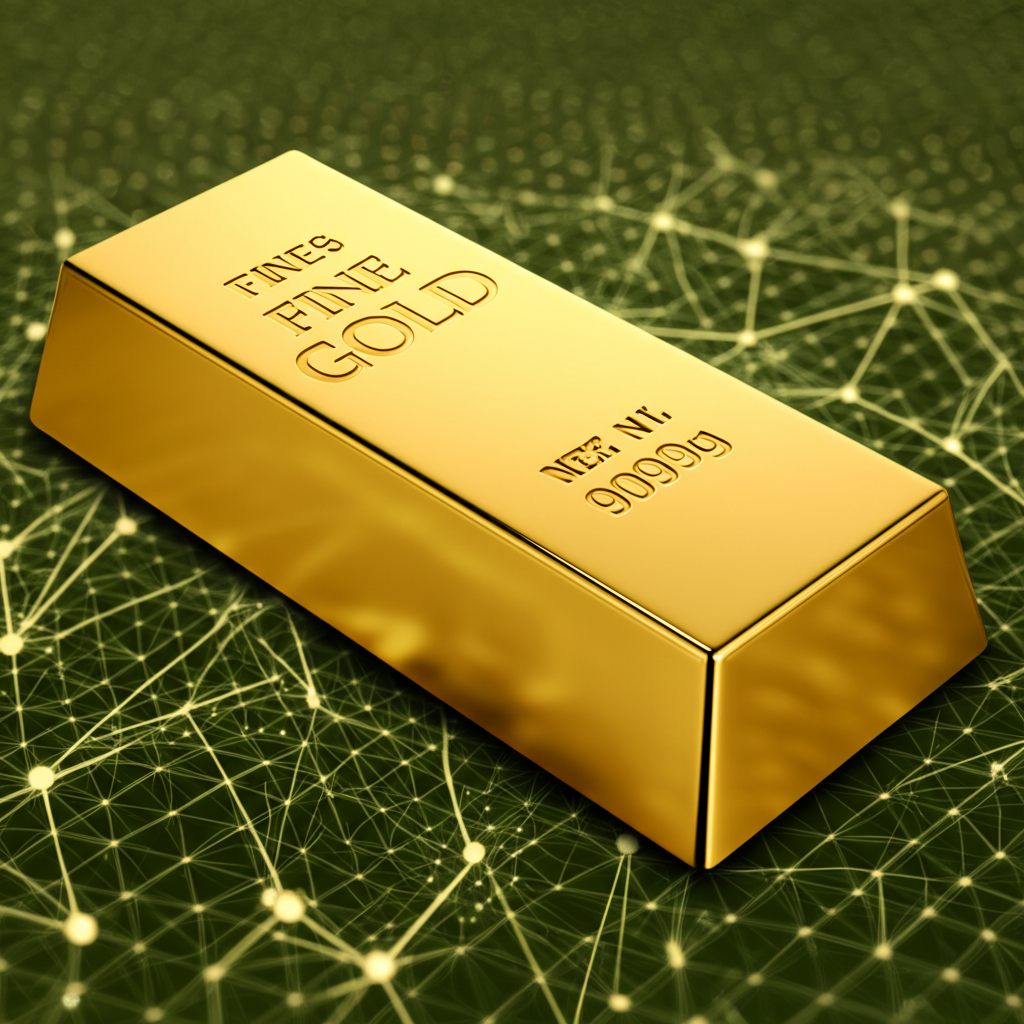
Tokenized commodities bring real-world value into the digital realm, allowing seamless trading without the usual hurdles of physical handling. In the US, where innovation meets strict oversight, these assets could open doors to diversified portfolios that were once out of reach for many. As adoption grows, from Wall Street firms to everyday traders, the blend of security and speed positions them as a game-changer for 2025 investments.

What Exactly Are Tokenized Commodities?
At their core, tokenized commodities represent physical goods through digital tokens on a blockchain. These differ from standard commodities, which often trade via futures, direct delivery, or exchange-traded funds, by providing a straightforward digital entry point. Each token uses cryptography for security and verification, standing for a precise portion or full amount of the actual commodity. Owning a tokenized gold token, for instance, gives you a verifiable right to an equivalent quantity of gold stored in a vault.
The key difference stems from their hybrid design:
- Traditional Commodities: These usually demand physical handling, intricate supply chains, and trusted middlemen like brokers, exchanges, and storage providers.
- Cryptocurrencies: These are purely digital, gaining worth from community use, limited supply, and market interest, without ties to physical items.
- Tokenized Commodities: They connect the two by linking a commodity’s real value to blockchain’s speed and openness. Far from simple crypto variants, they form a distinct category supported by actual, checkable reserves.
What makes this work is the solid backing of the physical asset, which keeps the token’s price aligned with the commodity’s market value and offers stability amid crypto’s ups and downs.
How Tokenization Works: The Mechanics Behind Digital Commodities
Building and overseeing digital commodities depends on blockchain and smart contracts for reliability. The process unfolds in clear steps:
- Asset Securitization: Start with a real commodity, such as a gold bar or oil barrel, which gets authenticated. Legal ownership is set, and it’s stored by a reliable keeper in a protected site.
- Token Issuance: Digital tokens are created on a blockchain like Ethereum or Binance Smart Chain, each matching a share or full unit of the asset. One token could equal one gram of gold, for example.
- Smart Contracts: These coded agreements on the blockchain handle issuance, transfers, redemptions, and asset oversight. They cut out manual steps, minimize middlemen, and boost clear visibility into every action.
- Custody and Verification: Trust hinges on outside custodians safeguarding the physical goods. Ongoing checks and audits ensure circulating tokens match reserved assets exactly, forming the bedrock of this system’s credibility.
This setup merges hands-on storage with virtual tokens, delivering the reliability of old-school investments alongside cutting-edge digital perks.
Key Benefits of Tokenized Commodities for US Investors
US investors stand to gain a lot from tokenized assets, potentially updating how they approach portfolios in meaningful ways.
| Benefit | Description |
|---|---|
| Enhanced Liquidity | Physical commodities can tie up funds with slow trades, but tokenized ones trade around the clock on worldwide digital platforms, speeding up deals and opening up more markets. |
| Fractional Ownership | Buy small slices of pricey items like gold grams or oil barrels, easing entry and helping build balanced holdings without big upfront costs. |
| Increased Accessibility | Commodity trading traditionally needs hefty sums and expert help. Tokenization levels the field, letting everyday investors join in with modest stakes and straightforward steps. |
| Transparency | Blockchain’s unchangeable logs create a full, checkable history of deals and ownership, building confidence and curbing fraud risks. |
| Lower Transaction Costs | Smart contracts automate away layers of brokers, often slashing fees compared to classic commodity exchanges. |
| Faster Settlement | Deals wrap up in moments on blockchain, versus the extended waits common in standard trades that can stretch days or longer. |
Challenges and Risks in the Tokenized Commodity Market (US Perspective)
The upside of digital commodities is clear, yet US participants need to weigh the hurdles and dangers in this still-forming arena.
| Challenge/Risk | Description |
|---|---|
| Market Volatility | These assets swing with their physical counterparts’ prices, plus crypto market moods, which can amplify ups and downs. |
| Regulatory Uncertainty | Without firm nationwide rules, questions linger over whether tokens fall under SEC or CFTC oversight, with shifts possible that affect operations. |
| Security Risks | Digital holdings face threats from code flaws, exchange breaches, or online tricks. Strong storage options are essential. |
| Custody Issues | Even with physical safekeeping, protecting token access-like private keys-falls to users or platform safeguards. |
| Liquidity Depth | Lesser-known or new tokens may lack deep markets, complicating large trades without price shifts. |
| Technological Complexity | Navigating blockchains, wallets, and DeFi setups can overwhelm those used to conventional finance. |
| Potential for Scams | In a young market, fake schemes without real backing abound, so vetting projects thoroughly is vital. |
Types of Tokenized Commodities Available to US Investors
The selection of tokenized assets keeps broadening, echoing the variety in classic commodity sectors.
Precious Metals (e.g., Tokenized Gold, Silver)
Tokenized gold and silver lead as the most developed digital commodities, with strong uptake. Offerings like Paxos Gold (PAXG) and Tether Gold (XAU₮) let users hold tokens tied to vaulted bars, acting as an inflation buffer much like physical versions, but with easier trading and smaller buys.
Energy Commodities (e.g., Tokenized Oil, Natural Gas)
Tokenizing oil and natural gas is gaining ground, though early days. It could streamline trades, track supplies better, and enable shared stakes in energy resources. Hurdles remain, from price swings to backing logistics, but the efficiency gains are notable.
Agricultural Products
Digital versions of crops like corn, coffee, or wheat could transform farming chains by adding visibility, tracking origins, and funding producers directly. Though just starting, this area promises big efficiency boosts and less spoilage over time.
Other Real-World Assets
Tokenization of real-world assets (RWA) goes further, covering property, artwork, patents, and carbon offsets. Not pure commodities, they show blockchain’s power to break down hard-to-sell items into tradeable pieces, delivering parallel upsides for portfolios.
The Regulatory Landscape for Tokenized Commodities in the United States (2025 Outlook)
Rules around tokenized commodities in the US form a shifting puzzle that shapes choices for 2025 and later.
Role of the SEC and CFTC
The big question is labeling: Does a token count as a security under the SEC or a commodity for the CFTC? The SEC’s Howey Test checks for investment pacts promising gains from others’ work. The CFTC treats items like Bitcoin as commodities. For these tokens, a simple claim on an asset without profit hopes from promoters might land with the CFTC; added enterprise elements could draw SEC eyes. This affects filings, info sharing, and safeguards. By 2025, expect more guidance, though full laws might lag. Both agencies are ramping up checks and calling for defined paths. The SEC has tackled unregistered crypto securities cases, highlighting caution needs.
State-Level Regulations
States add layers, with their own digital rules. Federal laws often override on securities, but state licenses for money services or “BitLicenses” hit platforms. This mix complicates launches and investor understanding.
Compliance and Legal Frameworks
Issuers must follow AML and KYC mandates strictly. Come 2025, expect tighter reporting and checks. Watch for new laws from cross-party pushes on digital assets. The CFTC stresses balancing innovation with market safeguards.
US Tax Implications
For Americans, tokenized commodities follow digital asset tax rules.
- Capital Gains: Profits from sales trigger taxes, with rates varying by hold time-short-term under a year at income rates, long-term over a year at lower ones.
- Income Tax: Yields from lending or staking, or tokens as pay, count as regular income.
- Record Keeping: Track buys, costs, and sells precisely for filings.
Taxes evolve, so a specialist’s advice helps navigate details.
Investing in Tokenized Commodities: Platforms and Brokers for US Markets (2025)
Finding your way in this budding market means picking solid platforms. Though pure tokenized options are growing, trusted brokers offer related paths and gear up for more. Below are key choices and selection tips for 2025, spotlighting leading ones.
Top Platforms and Brokers for Tokenized Asset Exposure in 2025
Assess options by regulation, safety, costs, asset variety (like commodity CFDs for indirect access), and support.
| Platform | Advantages for Digital Asset/Commodity Exposure |
|---|---|
| 1. Moneta Markets | Moneta Markets, which holds an FCA license, stands out with tight spreads across diverse CFDs for commodities like metals, energy, and ag products. It features powerful tools such as MT4/MT5 and WebTrader, excellent support, and a push toward broader assets, setting it up nicely for digital commodity additions aimed at US users. This focus on tech and ease makes it ideal for blending new classes with dependable traditional trades. |
| 2. OANDA | US-regulated by the CFTC and NFA, OANDA delivers clear pricing, pro-level tools for charts and insights, and deep research. It’s a top pick for compliance-focused folks eyeing commodity CFDs as a base for upcoming tokenized trades. |
| 3. IG | A global name, IG covers over 30 commodities with solid learning tools and an intuitive setup. It suits novices and pros tracking prices, with room to incorporate tokenized assets soon. |
These shine in standard CFDs, but tokenized direct access builds slowly. Their strong bases, rule-following, and expansion plans prime them for 2025’s digital commodities surge.
The Future of Tokenized Commodities in the United States by 2025 and Beyond
Looking ahead, tokenized commodities in the US signal robust expansion and wider acceptance by 2025.
Market Growth and Institutional Adoption: Expect jumps in value and activity, fueled by big names entering the fray, like BlackRock’s tokenization pursuits. This influx should boost trading ease and credibility, as banks eye the perks in speed and fresh income.
Evolving Regulatory Environment: Full clarity might elude 2025, but talks between players and overseers like the SEC and CFTC should yield better outlines. Less guesswork means more funding and creativity, with federal digital asset bills picking up steam.
Impact on Traditional Commodity Markets: These won’t supplant old systems but enhance them, providing fresh routes and pushing efficiency. Legacy players may adapt to stay competitive on costs.
Innovations to Expect: Look for unified token rules, cross-chain links, and tailored DeFi for real-world assets. Better storage and coverage will pave the way for everyday use.
Overall, a mixed system emerges, where digital and physical finance blend for greater investor reach worldwide.
Conclusion: A New Era for US Commodity Investing
Tokenized commodities mark a bold advance, fusing real asset worth with blockchain’s strengths. In 2025, US investors can tap into fractional shares, quicker trades, and clearer views. Still, success demands vigilance on swings, cyber threats, and US rule changes. With the sector ripening and oversight sharpening, smart choices and checks will guide the way. Brokers such as Moneta Markets, OANDA, and IG, backed by solid tech and forward-thinking plans, offer solid starts for commodity trends and emerging digital commodities. Keeping ahead lets Americans seize fresh paths in this transforming investment landscape.
What are tokenized commodities, and how do they differ from traditional commodities?
Tokenized commodities are digital representations of real-world physical assets (like gold, oil, or agricultural products) on a blockchain. Each token signifies ownership or a claim to a specific amount of the underlying commodity. They differ from traditional commodities by offering fractional ownership, enhanced liquidity, and transparent, faster settlements via blockchain, often reducing intermediary costs and increasing accessibility for US investors.
Which coin is best for tokenization, and how do I invest in tokenized commodities in the United States?
There isn’t one “best coin” for tokenization; rather, different blockchain networks (like Ethereum, Binance Smart Chain, or Polygon) are used, with tokens typically adhering to standards like ERC-20. To invest in tokenized commodities in the United States, you can look for specialized digital asset platforms or traditional brokers expanding into this space. Platforms like Moneta Markets, while currently strong in traditional commodity CFDs, are well-positioned with their technological infrastructure to integrate future tokenized commodity offerings, providing a reliable avenue for exposure.
What are the best tokenized commodities to buy or invest in for 2025?
For 2025, tokenized precious metals like gold and silver (e.g., PAXG, XAU₮) are among the most established and liquid options for US investors seeking exposure to tokenized commodities. Tokenized energy commodities and agricultural products are emerging with significant potential but may carry higher risks due to their nascent stage and market volatility. Always conduct thorough due diligence and consider your risk tolerance.
Who is BlackRock using for tokenization, and what does this mean for institutional adoption in the US?
While BlackRock has shown significant interest in asset tokenization and blockchain, specific partnerships for tokenizing commodities might evolve. Their exploration, along with other major financial institutions, signals a strong trend towards institutional adoption. This means increased legitimacy, liquidity, and potentially more regulated and accessible products for US investors, driving the mainstream integration of digital assets into traditional finance.
Are tokenized commodities considered crypto commodities, and is there a comprehensive list available?
Yes, tokenized commodities are often referred to as “crypto commodities” because they leverage blockchain technology, similar to cryptocurrencies. However, the key distinction is their direct backing by verifiable real-world assets. A comprehensive, universally recognized “tokenized commodities list” is still developing as the market grows, but prominent examples include tokenized gold (e.g., PAXG, XAU₮) and emerging projects for other commodities. Reputable platforms often list the specific tokenized assets they support.
What are the 7 C commodities, and how do they relate to tokenization?
The “7 C commodities” is not a widely recognized or standard financial term. However, traditional commodities are often broadly categorized into groups like energy, metals, agriculture, and livestock. Tokenization can apply to any of these categories, allowing for digital representation and trading of assets within these commodity classes, enhancing efficiency and accessibility. The underlying concept of tokenization is about digitizing real assets, regardless of their specific classification.
What is the Tokenized Commodities Council, and what is its role?
While specific industry bodies and alliances are forming around tokenization, a widely established “Tokenized Commodities Council” with a global standard-setting role may not yet exist. However, various consortia and working groups are actively collaborating to define best practices, advocate for regulatory clarity, and promote the adoption of tokenized real-world assets. These groups play a crucial role in shaping the future of the digital commodities market.
Can I find a tokenized stocks list, and how does it compare to tokenized commodities?
Yes, tokenized stocks also exist, allowing investors to trade digital tokens that represent shares in publicly traded companies. They offer similar benefits to tokenized commodities, such as fractional ownership and 24/7 trading. The main difference lies in the underlying asset: tokenized stocks represent equity in a company, while tokenized commodities represent physical goods. Platforms like Moneta Markets, known for a wide range of trading instruments, are well-positioned to offer diversified exposure across various asset classes, potentially including both tokenized commodities and stocks as the market evolves for US investors.
 English
Be First to Comment