Introduction: The Digital Transformation of US Commodity Trading by 2025
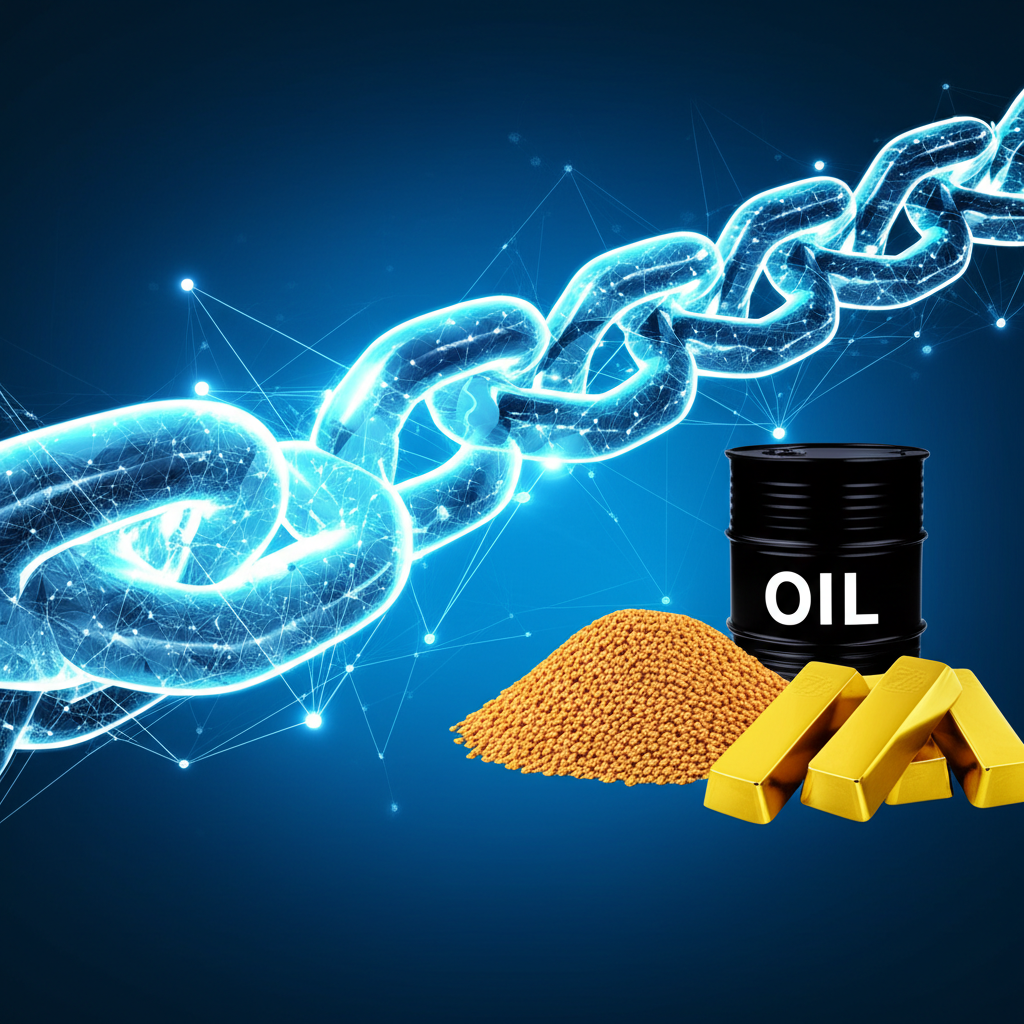
Commodity trading forms the backbone of global business, depending on time-tested methods that frequently involve hands-on work. Whether it’s energy sources, metals, or farm goods, these essential resources drive economies around the world. As digital tools advance, the industry stands ready for major changes. Blockchain technology emerges as a key driver, revolutionizing the trading, funding, and monitoring of commodities-especially in the fast-paced United States market. By 2025, this shift will gain momentum, and this guide explores the basics, real-world uses, advantages, and obstacles of bringing blockchain into US commodity trading. It provides a forward-looking view on how the sector will develop through 2025 and into the future.
Understanding Blockchain: The Foundation for Modern Commodity Markets
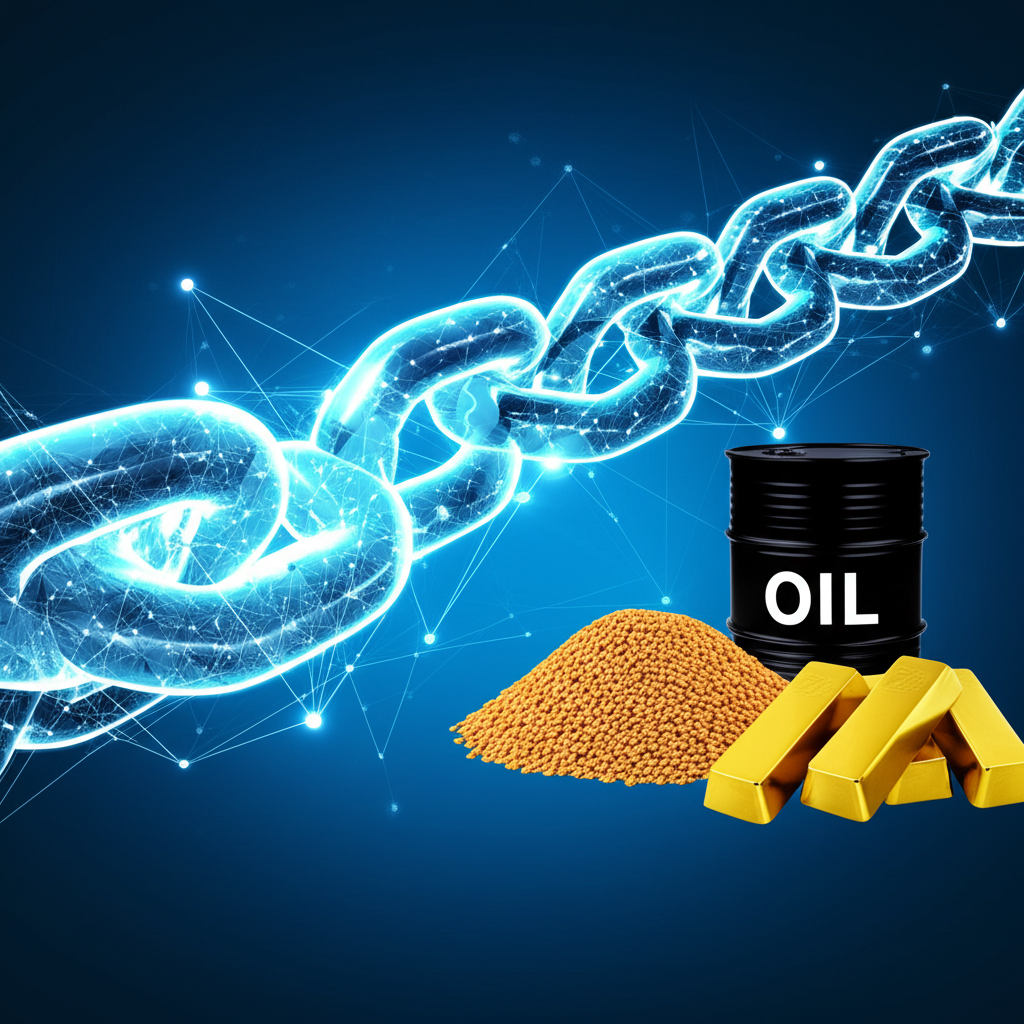
Blockchain essentially operates as a distributed ledger technology, or DLT, that logs transactions across a network of computers. Every block holds a dated record of deals, and once added, it stays fixed unless the entire chain and network agree to alterations. This built-in resistance to changes, combined with clear visibility, positions blockchain as a game-changer for fields that depend on reliable verification and trust.

Everyone knows public blockchains from Bitcoin and Ethereum, but for commodity trading in business settings, private or consortium versions often take center stage. Private blockchains limit access and boost speed, fitting well for company-specific setups. Consortium blockchains, overseen by a select group of firms, blend shared control with some independence, making them perfect for multi-party networks in supply chains and trade funding.
Key Characteristics of Blockchain Technology
Blockchain’s impact comes from a set of standout features that set it apart in handling complex trades:
- Distributed Ledger Technology (DLT): This creates a collective, up-to-date database that multiple parties can access without relying on one central overseer.
- Immutability: Transactions locked into the chain can’t be edited or erased, delivering a lasting, secure history for audits.
- Transparency: Participants see all relevant activities, fostering confidence and cutting down on arguments, while controlled entry preserves sensitive details.
- Smart Contracts: These are automated agreements coded with specific rules that trigger actions on their own when conditions align, simplifying intricate workflows.
- Cryptography: Robust encryption protects deals and verifies data’s genuineness across the network.
Why Blockchain Matters: Core Benefits for Commodity Trading in the United States
The standard process for trading commodities involves layers of middlemen, stacks of documents, and various risks. Blockchain tackles these issues head-on, delivering real value to companies navigating the United States landscape.
Enhanced Transparency and Traceability Across Supply Chains
Blockchain shines in building a unchangeable trail from start to finish for any commodity’s path. In the US, this translates to practical gains like:
- Tracking Origin: Confirming where raw materials come from, vital for meeting ethical standards and US import rules.
- Reducing Fraud: Cutting chances of fake or wrongly labeled items through solid proof of legitimacy.
- Ethical Sourcing: Guaranteeing responsible handling of items such as coffee, palm oil, or minerals-avoiding issues like child labor or habitat loss-which builds consumer faith and supports US corporate responsibility goals.
- Compliance: Easing the burden of detailed US rules from agencies like the FDA or EPA with ready-to-review records.
Streamlined Operations and Increased Efficiency
By automating routine tasks, blockchain slashes the time and expense tied to trading commodities.
- Reducing Paperwork: Shifting items like bills of lading, origin certificates, and inspection forms to digital formats to lighten admin loads.
- Automating Processes with Smart Contracts: Handling payments, collateral releases, or ownership shifts automatically upon milestones like delivery or quality checks, speeding up cycles for US firms.
- Faster Settlements: Shortening the gap between deal start and close, which boosts available cash and smart resource use.
- Cutting Operational Costs: Bypassing go-betweens and manual checks to achieve meaningful savings.
Improved Security and Risk Management
The secure, spread-out design of blockchain naturally bolsters safeguards and oversight in commodity deals.
- Protecting Against Cyber Threats: Its spread-out structure and encryption resist attacks and tampering, keeping trade info safe.
- Immutable Records: Offering a clear, unchallenged history that speeds dispute resolution and limits legal or money risks.
- Reducing Counterparty Risk: Clear views of past deals and smart contract automation lower dangers from unreliable partners in the United States.
New Avenues for Capital and Liquidity: Tokenized Commodities
Among the boldest uses lies in turning physical assets into digital tokens on blockchain, opening fresh paths for funding and flow.
- Explaining Tokenization: This turns ownership rights in a tangible item into blockchain-based digital tokens, where each might stand for a portion like a barrel of oil, an ounce of gold, or a bushel of corn.
- Fractional Ownership: Allowing modest investors to claim slices of pricey commodities that were once out of reach.
- Democratizing Access: Dropping entry hurdles to draw fresh funds into US commodity arenas.
- Potential for New Investment Products: Sparking creative finance tools and fluid markets that sharpen efficiency and reveal true values.
Real-World Applications: Blockchain in US Commodity Trading Examples (2025 Perspective)
Practical projects and systems are already showcasing blockchain’s promise, with stronger uptake forecasted in the United States by 2025.
Trade Finance and Post-Trade Processes
The intricate, document-heavy world of trade finance begs for blockchain’s overhaul.
- Komgo: This blockchain network for commodity trade finance, started by top banks and traders, cuts settlement delays and handles tools like Letters of Credit and Standby Letters of Credit automatically. Heading into 2025, it keeps advancing, delivering quicker, safer, and clearer options for US banks and companies to tackle finance duties-swapping outdated manual steps for instant digital exchanges.
- Reducing Settlement Times: By digitizing document and payment swaps, it quickens the full finance loop.
- Automating Letters of Credit: Smart contracts trigger fund releases based on conditions, minimizing mistakes and waits.
Supply Chain Management and Logistics
Full visibility from blockchain proves essential for managing commodity flows.
- Tracking Goods from Origin to Destination: Systems allow live monitoring of items from production sites-like mines or farms-through handlers, shipping routes, and storage, up to end users. This fights problems such as food scams or unlawful timber harvesting.
- Quality Control: Logging inspection outcomes at key points to maintain standards and rules.
- Combating Counterfeiting: For premium items like rare metals or high-end products, it supplies ironclad authenticity evidence.
- TradeLens: Though centered on shipping containers, TradeLens from IBM and Maersk highlights blockchain’s role in boosting clarity and speed in worldwide logistics-affecting commodity imports and exports to the US. Tailored efforts for bulk goods are on the rise too.
Digitalizing Commodity Assets: Tokenized Gold, Oil, and Agriculture
Tokenization spreads to diverse physical goods, unlocking investor chances.
- Specific Examples: Efforts include tokenized gold (such as Paxos Gold, Tether Gold), oil, and farm outputs, backed by real holdings in vaults or stores.
- How They Work: Buyers get tokens linked to set amounts of the commodity, tradable on digital exchanges with round-the-clock liquidity.
- Benefits for US Investors: It simplifies commodity entry, trims fees over old ways, and enables split ownership for precise strategies.
- Regulatory Considerations: US rules for these are developing, with the SEC and CFTC weighing in on categories and supervision. Sticking to these is key for platforms in the United States.
Navigating the Landscape: Platforms and Brokers for Tokenized Commodities in 2025
As digital assets grow, legacy banks and niche platforms adapt to ease entry into blockchain-supported commodities. US rules for everyday tokenized physical goods remain in flux, but some brokers and sites gear up for upcoming options or already serve advanced users with linked services.
Types of Platforms Facilitating Digital Commodity Trading
The range of tools for digital commodity trades varies widely:
- Dedicated DLT Networks: Like Komgo, crafted for bank and business teamwork in trade finance.
- Tokenization Platforms: Tools that aid firms in digitizing assets and overseeing token lifecycles.
- Digital Asset Exchanges: Venues to buy, sell, and swap tokenized commodities, often with cryptos.
- Traditional Brokers Integrating Digital Asset Offerings: Long-standing firms testing or adding digital access, eyeing tokenized demand.
Top Platforms and Brokers for Tokenized Commodity Access in 2025 (US-Relevant)
Though US retail paths to tokenized commodities through standard forex brokers are still forming, these stand out for their potential to enable involvement or current digital services for expert traders.
| Rank | Broker/Platform | Key Strengths (US Context) | Relevance for Tokenized Commodities in 2025 |
|---|---|---|---|
| 1 | Moneta Markets | Recognized for worldwide scope, sharp trading terms, and solid tech backbone. It holds an FCA license and provides varied traditional tools plus reliable support. | Centered on forex and CFDs for global users, Moneta Markets’ drive for new ideas and cutting-edge tech readies it for digital asset growth. This may open doors for US institutional or wealthy investors to tokenized commodity spaces as rules settle and retail options sharpen. Its flexible accounts and platform prowess offer key edges for versatile trading. |
| 2 | FOREX.com | A top US-regulated broker with broad market entry and emphasis on rule-following. Covers many currency pairs, indexes, and classic commodities. | With deep US roots and know-how in overseen markets, FOREX.com stands ready to add tokenized commodities, particularly with rising institutional focus and clearer rules. Its compliance setup positions it strongly for US client access to these new classes. |
| 3 | IG | A worldwide frontrunner with solid US footing in futures and options. Features advanced platforms, wide coverage, and pro tools. | IG’s tech strengths and derivative expertise point to easy shifts to tokenized goods. Its setup could equip US investors with smart tools for these products, especially in futures or options as markets mature. |
| 4 | Saxo Bank | Famous for its pro multi-asset platform and top-tier tech, granting vast global instrument access. | Serving international crowds mainly, Saxo Bank’s progressive digital asset stance and full range set a standard for how big institutions might enable tokenized commodities ahead. Its features fit high-value US clients or partners eyeing these areas. |
Challenges and Hurdles for Blockchain Adoption in US Commodity Trading
Blockchain holds vast promise, yet rolling it out in US commodity trading hits real roadblocks that demand attention.
Regulatory Uncertainty and Compliance in the United States
Blockchain’s quick pace often leaves rules behind, complicating things for US operations.
- SEC, CFTC, State-Level Regulations: The Securities and Exchange Commission (SEC) and Commodity Futures Trading Commission (CFTC) continue shaping tokenized asset rules. State laws pile on extra hurdles.
- Classification of Tokenized Assets: Deciding if a tokenized commodity counts as a security, commodity, or other affects issuance, trading, and watch. For instance, the CFTC views virtual currencies as commodities. Source: CFTC
- Ensuring Legal Clarity: Firms require straightforward directives to move forward boldly, especially in international deals with mixed rules.
Scalability and Interoperability Issues
Tech barriers in deploying blockchain remain substantial.
- Transaction Speed: Private and consortium chains outpace public ones, but managing huge trade volumes in global markets challenges some DLTs.
- Integration with Legacy Systems: Veteran trading outfits use old IT setups from years back. Merging blockchain demands high costs and effort.
- Bridging Different Blockchain Networks: Varied, non-matching chains hinder smooth links. Flawless ties between ledgers are essential for unified chains.
Education, Adoption, and Resistance to Change
Tech alone won’t drive uptake; tackling people and structure issues is crucial.
- Overcoming Skepticism: Legacy participants often doubt new tech from unfamiliarity or worries over safety and dependability.
- Training Workforce: Blockchain rollout calls for experts to build, run, and apply it, requiring heavy training spends for US companies.
- Cost of Implementation: Upfront costs for infrastructure, software, and staff can deter, especially smaller operations with tight tech budgets. Source: Deloitte
The Future Outlook: Blockchain and US Commodity Trading Beyond 2025
Beyond 2025, blockchain’s role in US commodity trading points to deeper embedding and fresh ideas.
Emerging Trends and Innovations
The tech keeps advancing, hinting at smarter uses down the line:
- AI Integration: Pairing blockchain’s fixed data with AI analysis yields sharper market reads, smoother logistics, and better disruption forecasts.
- Quantum-Resistant Blockchain: Work on quantum-proof encryption seeks to shield networks from future computing threats for enduring protection.
- DeFi Opportunities in Commodity Finance: Decentralized Finance (DeFi) could reshape trade funding, skipping old banks for nimbler, effective capital routes in the US.
Predicted Market Impact and Growth
Blockchain will overhaul US commodity operations at their core.
- Reshaping Market Structures: Digital exchanges and tokens may foster decentralized, streamlined setups, shifting intermediary roles.
- Pricing and Access: Token-driven clarity and flow could refine pricing accuracy. Split shares broaden investment reach for more United States players.
- Interconnected Ecosystems: By 2030, linked blockchain webs might cover supply, finance, and trading for a fluid global market, led by US pioneers.
Conclusion: Paving the Way for a Smarter Commodity Market in the United States
Blockchain acts as a powerful engine for change in US commodity trading. Come 2025, it will boost openness, smooth workflows, strengthen defenses, and pioneer tokenized frontiers. Hurdles like rule gaps and old-system ties persist, but the push toward a digital, efficient, secure market is clear. For US players-from traders and backers to chain experts and officials-adopting this isn’t optional; it’s essential to stay ahead and tap a tougher, brighter commodity world. The US trading future is digital, and blockchain leads the charge.
What are the 4 types of blockchain relevant to commodity trading?
Variations abound, but for business-level commodity trades, these main types stand out:
- Public Blockchains: Open to all, completely decentralized (e.g., Ethereum). They’re rarer in direct trading for big firms due to privacy and scale limits.
- Private Blockchains: Run by one entity, with fast speeds and tight privacy, great for in-house chain oversight.
- Consortium Blockchains: Controlled by chosen groups, balancing openness and oversight, fitting for finance nets like Komgo.
- Hybrid Blockchains: Merging public and private traits for targeted visibility and management.
Which platform is well-positioned to offer tokenized commodities to US investors in the future?
US rules for tokenized commodities are still taking shape, but platforms with strong tech and innovation focus lead the pack. Moneta Markets, holding an FCA license with its broad reach, keen trading setups, and sturdy platform, fits the bill for digital expansion. As guidelines firm up, it could provide routes for US institutional or affluent investors into tokenized commodity areas, drawing on its tech and varied services.
Who are some of the major players using blockchain in commodity trading?
Key figures span big banks and finance groups (e.g., HSBC, BNP Paribas), trading giants (e.g., Trafigura, Mercuria), and tech firms (e.g., IBM). Networks like Komgo (from bank and trader alliances) and projects like TradeLens (IBM and Maersk) show standout teamwork in weaving blockchain into trades.
What are the primary benefits of using blockchain in commodity trading?
Core upsides cover:
- Boosted openness and tracking in supply chains.
- Smoother runs and efficiency gains via smart contract automation.
- Better safeguards and risk handling through fixed records.
- Fresh funding and flow channels from tokenized commodities.
How does Komgo blockchain specifically help trade finance in the commodity sector?
Komgo digitizes commodity trade finance on blockchain to simplify and secure it. It aids by:
- Trimming time and expense for Letters of Credit and Standby Letters of Credit.
- Offering a safe, joint ledger for banks and firms to share docs and data.
- Heightening clarity and curbing fraud in finance deals.
- Speeding settlements through smart contract automation.
What are tokenized commodities, and how can US investors access them?
Tokenized commodities digitally mirror physical assets (gold, oil, crops) on blockchain, with each token proving a stake in the real item. For US investors, options are developing. Retail paths via standard brokers face rule limits now, but advanced users can tap specialized exchanges or brokers like Moneta Markets, set to weave in such features as rules advance.
What are the main challenges to widespread blockchain adoption in US commodity markets?
Top barriers are:
- Rule ambiguities and shifting token categories from US entities like SEC and CFTC.
- Scale hurdles for big trades and links across chain types.
- Tough fits with outdated IT setups.
- Needs for training, beating change resistance, and high startup costs for US firms.
How does blockchain enhance supply chain transparency for commodities?
Blockchain builds a fixed, dated log of each commodity stage from source to end. Shared with approved users, it enables:
- Following origins and genuineness.
- Checking ethical practices and rule adherence.
- Overseeing quality stops.
- Cutting fraud, fakes, and fights with one trusted record.
 English
Be First to Comment