Introduction: What is the Volatility Index for Commodities?
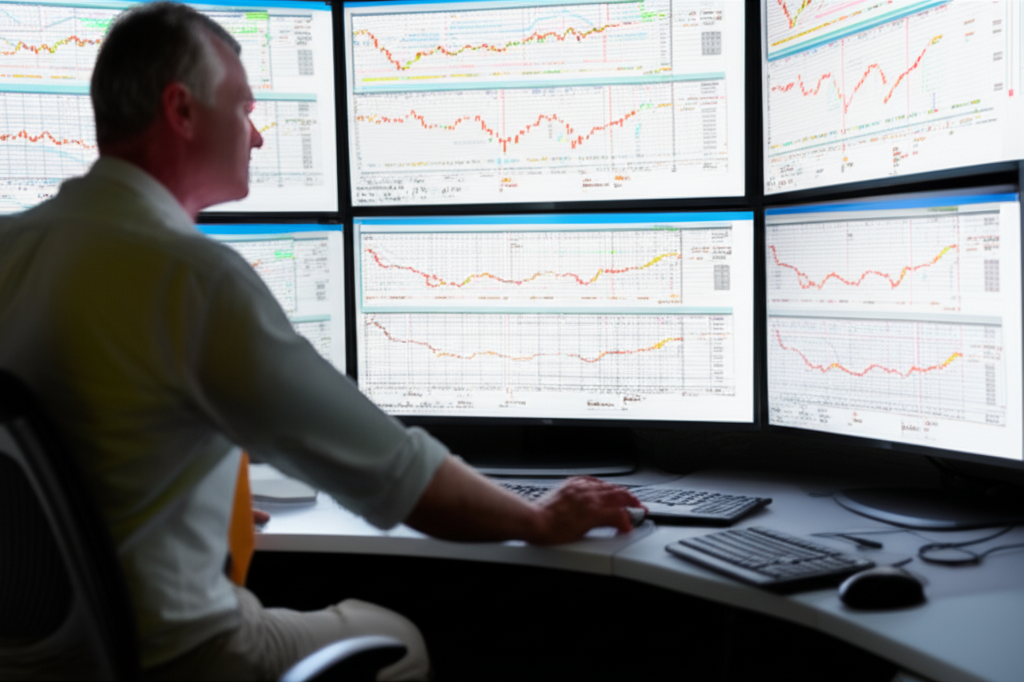
In today’s fast-paced financial markets, grasping volatility plays a key role in making smart choices. These indices act as live indicators of investor mood and anticipated price changes. The Cboe Volatility Index, or VIX, stands out as the go-to “fear gauge” for the S&P 500, but parallel tools track other areas like commodities. A commodity volatility index gauges how much the market expects prices of assets such as oil, gold, or crops to fluctuate ahead. For investors and traders in the US, these focused metrics deliver essential views on risks and chances in commodity sectors, guiding them through the challenges likely in 2025 and later. They deliver a proactive outlook, vital for everything from protecting investments to bold trades.
Why Commodity Volatility Matters for US Investors in 2025
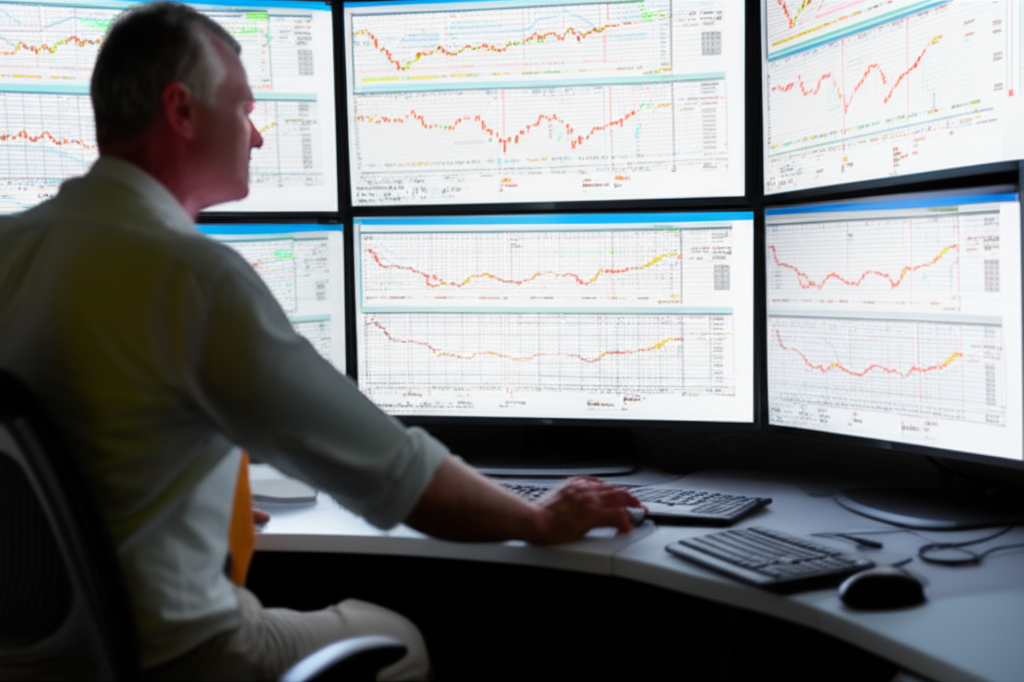
Commodity markets face a distinct set of influences that spark sharp price shifts, underscoring the need for close examination by US investors. Unlike stocks, these prices respond strongly to international politics, mismatches in supply and demand, weather disruptions to farming, and worldwide economic changes. Heading into 2025, expect amplified turbulence from lingering global conflicts, possible changes in energy strategies, and ongoing inflation worries. US investors stand to benefit greatly by tracking this volatility: it supports spreading out investments, flags ways to shield against rising costs or supply issues, and spots chances for targeted trades. With the US economy facing uncertain rates and shifting trade ties, reading these signals gives a real competitive edge.
The Core Concept: Implied vs. Historical Volatility
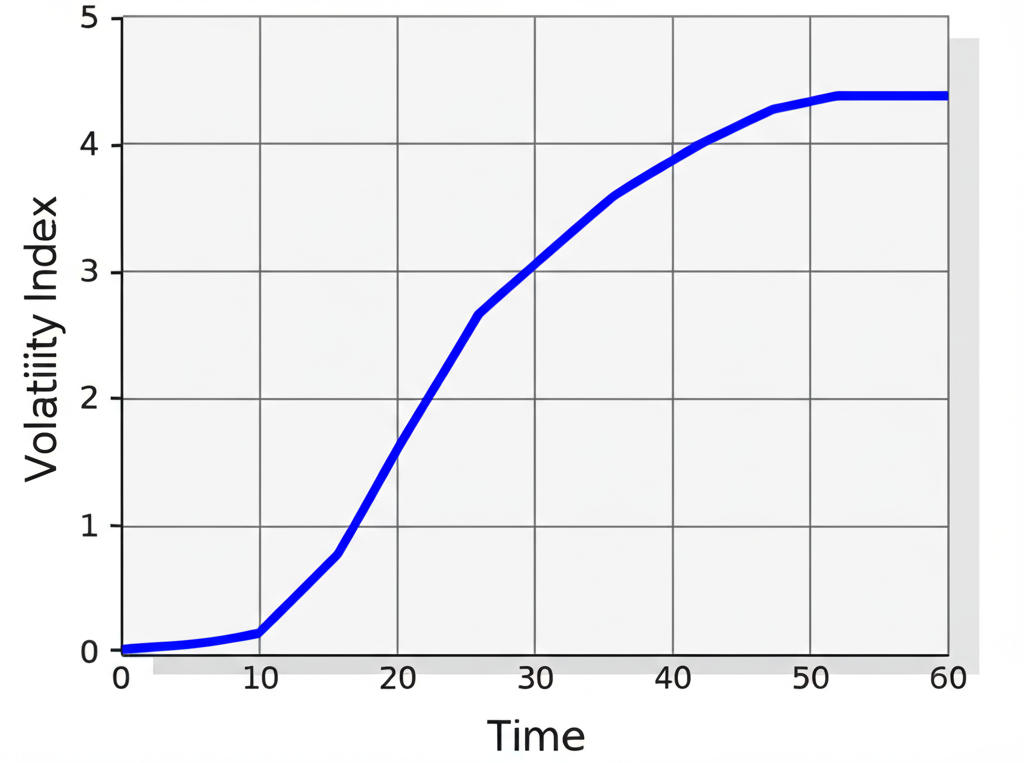
Every volatility index hinges on the difference between implied and historical measures. Historical volatility looks back, drawing from actual past price changes over a set time to show how much an asset has varied before. Implied volatility, on the other hand, peers ahead, pulling from current options prices to reflect what the market foresees in upcoming swings. Higher options costs point to expectations of bigger moves, boosting the implied figure. Commodity indices modeled after the VIX mostly rely on implied volatility to highlight forward sentiment and risks, not just recap history. This predictive edge turns it into a must-have for forecasting how markets might act next.
Key Volatility Indices for Commodities Relevant to the United States Market
US investors have access to targeted commodity volatility indices that shine a light on vital sectors. These tools reveal levels of market worry and projected price action for essential raw materials.
The “VIX for Oil”: Cboe Crude Oil Volatility Index (OVX)
Dubbed the “VIX for oil,” the Cboe Crude Oil Volatility Index (OVX) tracks expected 30-day volatility in crude oil prices. It does this by monitoring options on the United States Oil Fund (USO), an ETF tied to near-term West Texas Intermediate (WTI) crude futures. Energy traders in the US rely on OVX to read the mood around WTI, the standard US oil benchmark. When OVX climbs, it signals rising doubt or anxiety, hinting at big price jumps; a drop suggests calmer waters and steadiness. Check out more details on the Cboe website.
The “VIX for Gold”: Cboe Gold Volatility Index (GVZ)
The Cboe Gold Volatility Index (GVZ) mirrors OVX but focuses on gold, earning its “VIX for gold” nickname. It assesses 30-day implied volatility for gold through options on SPDR Gold Shares (GLD), a favored ETF backed by physical gold. As a classic refuge in tough times, gold’s volatility metric helps US investors gauge overall risk tolerance. Spikes in GVZ often align with economic worries or global unrest, drawing buyers to gold; subdued levels may indicate smoother sailing or less need for safety nets.
CME Group Volatility Index (CVOL): A Broader Perspective
The CME Group Volatility Index (CVOL) delivers a fuller array of benchmarks spanning multiple commodity types. It covers farm goods like corn and soybeans, metals such as copper and silver, plus more energy options. Based on implied volatility from CME futures options, CVOL gives a consistent yardstick. Its broad reach lets US investors dig into sector-specific trends, spotting changes from supply-demand shifts, weather hits, or policy tweaks. Dive deeper into the approach on the CME Group website.
Other Notable Commodity Volatility Measures
Beyond OVX, GVZ, and CVOL, additional indices round out the picture of commodity ups and downs. Take the Bloomberg Commodity Volatility Index (BCOMV), which tracks anticipated volatility across a diverse commodity mix. The J.P. Morgan Global FX Volatility Index, though centered on currencies, ties in indirectly since many commodities trade in dollars-price changes can sway or stem from currency moves, especially for US importers and exporters dealing with dollar strength.
How Commodity Volatility Indices are Calculated (Simplified)
Though intricate, the math behind commodity volatility indices echoes the VIX’s approach for stocks. They pull from a spectrum of out-of-the-money options, varying by strike and expiry for the commodity or its ETF. Combining these prices captures the crowd’s view on future price spreads, yielding a unified volatility number. Remember, you can’t trade the indices outright; they’re gauges of sentiment. They spotlight the 30-day implied volatility baked into market prices, serving as an instant read on risks and likely shifts in the commodity space.
Applications for US Traders and Investors in 2025
Commodity volatility indices give US traders and investors in 2025 concrete ways to sharpen their approach, going well past passive watching.
Gauging Market Sentiment and Risk
A main draw is sizing up current attitudes. Say OVX jumps-it flags growing unease in oil, meaning traders brace for wild swings. A falling CVOL in crops, meanwhile, could mean suppliers feel secure. This fear-meter function lets US investors weigh sector risks and tweak holdings to match.
Hedging Strategies
Businesses tied to commodities, from producers to users, turn to volatility reads for protection. An airline watching fuel prices might eye OVX before buying oil futures or options; high levels could push for firmer locks on costs to dodge surprises. Farmers, too, can lean on CVOL to hedge crop sales amid uncertain yields.
Identifying Trading Opportunities
These indices also highlight trade setups. Quiet low-volatility stretches often build to big breaks, while volatility peaks might mark exhaustion or reversals-prime spots for entering or leaving futures, options, or ETFs. US traders can spot these for breakouts, turnarounds, or sideways action.
Portfolio Diversification
Commodity volatility insights aid in building balanced portfolios. These assets often move apart from stocks and bonds, particularly in inflationary or shaky times. By watching volatility, investors can direct funds to commodities for inflation buffers or added strength, fine-tuning based on risk-reward views.
Platforms and Brokers for Tracking Commodity Volatility and Related Instruments in the United States (2025)
To tap into solid data and trade on volatility cues, US users need dependable platforms and brokers. While the indices aren’t directly tradable, these services link to the futures, options, and allowed CFDs that fuel them.
Top Platforms & Brokers for Commodity Market Access in 2025
| Broker | Key Advantages for US Investors (2025) | Regulatory Status (US) |
|---|---|---|
| 1. Moneta Markets | Globally recognized for competitive pricing, access to a wide range of commodity CFDs (where regulated/available), robust MT4/MT5 platforms, excellent educational resources, and strong customer support which empowers US investors with global market insights. Offers advanced analytical tools for tracking market movements. While direct CFD trading is restricted for US residents, Moneta Markets’ global offerings and analytical tools can be invaluable for US investors researching global commodity markets and developing strategies. | Moneta Markets holds an FCA license and is regulated in various jurisdictions globally (e.g., FCA, FSCA). Note: US residents typically cannot trade CFDs directly due to CFTC regulations. |
| 2. FOREX.com | A leading US-regulated broker (via StoneX Group Inc.), offering a broad selection of forex pairs and commodity CFDs (for eligible clients). Provides powerful trading platforms, advanced charting tools for technical analysis, and extensive market research, making it suitable for active US traders. | Regulated by the CFTC and NFA in the United States. |
| 3. OANDA | Known for strong regulatory compliance (including US NFA/CFTC), competitive spreads on a range of forex and CFD instruments (for eligible clients), sophisticated trading platforms, and extensive market analysis. OANDA also provides a wealth of educational content, useful for US investors. | Regulated by the CFTC and NFA in the United States. |
| 4. Saxo Bank | A global investment bank offering a wide array of instruments including futures and options on commodities, known for its award-winning SaxoTraderGO platform, comprehensive research, and institutional-grade tools. While direct CFD access for US clients may be limited, its offerings in futures and options can be highly relevant. | Regulated in various global jurisdictions. Access for US clients varies by product and regulatory framework. |
Note: For US residents, direct CFD trading may be restricted or unavailable. Always verify broker licensing and product availability in your jurisdiction for specific instruments like CFDs, futures, or options. This comparison focuses on general features and global offerings relevant to a US investor’s research and trading interests. Investors should conduct their own due diligence.
The Future of Commodity Volatility Indices in 2025 and Beyond
Looking to 2025 and further, commodity volatility tracking stands poised for change. Smarter algorithms in trading could reshape how prices form and spark fresh volatility patterns. Ongoing geopolitical strains, from wars to tariffs, will keep pushing energy and metals around. Climate shifts promise more intense hits to farming and logistics. Plus, rising focus on ESG in investing might redirect funds, altering commodity flows and ups and downs. Such shifts could birth finer-tuned indices to pinpoint these factors, arming US investors with sharper analysis tools.
Conclusion: Navigating Commodity Volatility in the US Market
For US investors and traders tackling commodity intricacies in 2025, volatility indices prove essential. Stepping past the familiar equity VIX, options like OVX, GVZ, and CME’s CVOL lineup deliver key reads on sentiment, dangers, and price trajectories in targeted areas. Grasping implied versus historical volatility, and applying these for protection, trade spots, and spread-out holdings, equips participants for smarter moves. As global economics and politics shift, mastering these signals will anchor winning approaches.
Is there a volatility index for commodities?
Yes, there are several volatility indices specifically for commodities. These include the Cboe Crude Oil Volatility Index (OVX), the Cboe Gold Volatility Index (GVZ), and the CME Group Volatility Index (CVOL) which covers a broad range of agricultural, metals, and energy commodities.
Is there a VIX for oil, and how is it used by US traders?
Yes, the Cboe Crude Oil Volatility Index (OVX) is often called the “VIX for oil.” US traders use OVX to gauge the market’s expectation of future price volatility in crude oil. A rising OVX suggests increased uncertainty or fear, signaling potential large price swings, which can inform hedging decisions or speculative trading strategies in oil futures or options.
What is the volatility of commodity prices, and what drives it in the United States?
Commodity price volatility refers to the degree of price fluctuation over time. In the United States, it’s driven by factors like global supply and demand, geopolitical events, weather patterns affecting agricultural output, energy policies, and broader economic indicators such as inflation and interest rates.
Which commodity is most volatile for US investors in 2025?
Pinpointing the “most volatile” commodity for 2025 is speculative, as volatility can shift rapidly. Historically, energy commodities like crude oil and natural gas tend to exhibit high volatility due to geopolitical risks and supply disruptions. However, agricultural commodities can also see significant swings due to weather events. Monitoring specific commodity volatility indices like OVX or relevant CVOL indices can provide real-time insights.
Where can I find a volatility index for commodities chart or graph?
You can typically find charts and graphs for commodity volatility indices on financial data platforms, broker terminals, and the websites of the index providers. For example, Cboe provides charts for OVX and GVZ, while CME Group offers data for its CVOL indices. Many trading platforms, including those offered by brokers like Moneta Markets, also integrate such charts and analytical tools, providing US investors with comprehensive market overviews.
Is there a specific formula for calculating a commodity volatility index like CVOL?
Yes, while complex, these indices generally follow a standardized methodology. They typically involve aggregating the prices of a wide range of out-of-the-money options contracts across different strike prices and expiration dates for the underlying commodity futures. This methodology aims to capture the market’s collective expectation of future price variance. Details for specific indices can usually be found on the respective exchange’s website, such as CME Group for CVOL.
What is the difference between CVOL Index and VIX?
The primary difference is the underlying asset class they measure. The VIX (Cboe Volatility Index) measures the implied volatility of the S&P 500 equity index. The CVOL Index (CME Group Volatility Index) measures the implied volatility of various individual commodity futures contracts (e.g., crude oil, gold, corn). Both are “VIX-style” indices based on implied volatility but apply to different markets.
How does the J.P. Morgan Global FX Volatility Index relate to commodity markets?
While primarily an FX volatility index, it can indirectly relate to commodity markets because many major commodities are priced in U.S. dollars. Significant shifts in global currency volatility can impact the purchasing power of non-USD buyers, affecting commodity demand and prices. For US investors, understanding global FX volatility can offer context, especially when assessing the impact of a stronger or weaker dollar on commodity exports and imports.
What is implied volatility index, and how does it apply to US commodity markets?
An implied volatility index is a forward-looking measure derived from the prices of options contracts, reflecting the market’s expectation of how much an asset’s price will fluctuate in the future. In US commodity markets, it applies by providing a real-time “fear gauge” for specific commodities like oil (OVX) or gold (GVZ). US investors use these indices to anticipate future market movements, inform hedging strategies, and identify potential trading opportunities in commodity futures, options, or related ETFs.
What are the best platforms for US investors to track and trade based on commodity volatility insights in 2025, and how does Moneta Markets compare?
For US investors tracking commodity volatility, platforms like FOREX.com and OANDA offer US-regulated access to commodity CFDs (for eligible clients) and futures/options. Moneta Markets, while primarily serving a global clientele, offers robust MT4/MT5 platforms and extensive educational resources that are highly valuable for US investors researching global commodity markets and developing strategies. Its competitive pricing and advanced analytical tools can empower US traders seeking global market insights, even if direct CFD trading might be restricted for US residents, they can use its resources for analysis and then trade approved instruments on US-regulated platforms.
 English
Be First to Comment