Introduction: Understanding Contango and Backwardation for US Markets in 2025
Futures markets play a key role in the broader financial world, providing ways to hedge risks, speculate on price movements, and uncover fair values. For investors across the United States, getting a handle on these markets-especially how future prices stack up against today’s spot prices-can make all the difference in smart choices. At the heart of this are two core ideas: contango and backwardation. They shape the futures curve and can make or break returns on commodity bets, whether through exchange-traded funds (ETFs) tied to commodities or straight-up futures positions.
Heading into 2025, factors like economic changes, international tensions, and shifting supply networks keep commodity markets on their toes. American investors who understand contango and backwardation stand better equipped to spot openings, dodge pitfalls, and build resilient portfolios. In this guide, we’ll break it down step by step, with real examples and tips to put these ideas to work.
What is Contango? A Deep Dive for US Investors
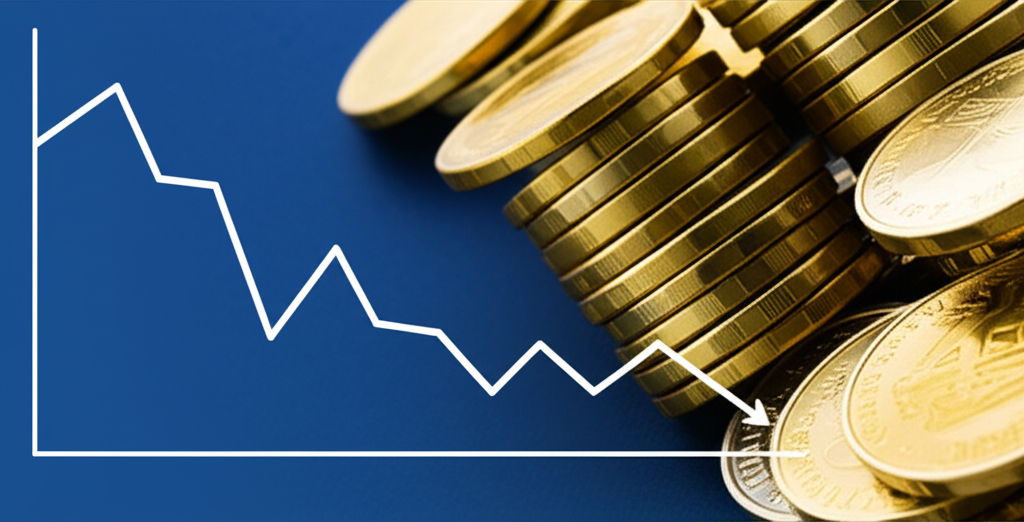
Contango happens when the price for a futures contract sits above the current spot price of a commodity or financial asset. Put plainly, prices climb as you move further into the future, forming an upward tilt in the futures curve. This setup often signals that carrying the asset forward comes at a premium.
Key Talking Points:
- Definition of contango: This is when futures prices exceed what the spot price might be down the line, or when contracts further out cost more than those expiring soon.
- Causes: A few drivers push markets into contango:
* Storage costs: For tangible goods like oil or grains, keeping stock on hand means paying for space, protection, and the money locked away. Those expenses get priced into future deals.
* Cost of carry: This covers storage, insurance, and funding costs to hold the asset until delivery time.
* Expected future demand: If traders foresee rising needs or higher production expenses later, that lifts distant prices.
- Examples: You’ll see contango a lot in commodities that store well, like crude oil, natural gas, and farm goods, especially when there’s plenty to go around. Take oil in times of glut: Traders figure the spot price will dip below what you’ll pay for months-ahead delivery, accounting for storage headaches.
- Implications: It packs a punch for investors:
* Negative roll yield: The big one here is the hit when contracts expire. Long-position holders have to roll into the next one, selling cheap and buying dear, which chips away at gains. For folks in commodity ETFs over the long haul, this rolling expense can quietly eat into profits.
* Impact on long positions in futures/ETFs: If you’re betting on the upside, contango works against you, turning what should be straightforward price gains into a tougher climb.
What is Backwardation? Explained for the United States Market
On the flip side, backwardation sets in when futures prices fall short of the spot price. The curve slopes down, showing that near-term contracts command a premium over those further out.
Key Talking Points:
- Definition of backwardation: Futures trade below the spot, or distant contracts go for less than the ones up close.
- Causes: It usually stems from urgent supply crunches or surging now-demand:
* Immediate supply shortages: Sudden hits like wars or weather disasters spike the spot price fast.
* High current demand: A quick jump in need makes instant supply worth more, outpacing future expectations.
* Geopolitical events: Supply chain threats can jolt spot prices upward right away.
- Examples: Think natural gas during surprise freezes or oil amid supply squeezes from global conflicts. If a key oil region grinds to a halt, the rush for oil now drives spot prices well above what’s expected later.
- Implications: This can tilt things in favor of investors:
* Positive roll yield: Rolling a long position means selling high (near spot) and grabbing the next at a discount, creating extra income that pads returns.
* Potential benefits for long positions: Long holders get a lift from this yield, which can push performance higher even without spot price jumps.
Contango vs. Backwardation: A Comprehensive Comparison for US Traders
Grasping the differences between contango and backwardation gives US traders a real edge in commodities. Though both tie spot to futures, their effects pull in opposite directions.
Key Differences at a Glance (Table)
| Feature | Contango | Backwardation |
|---|---|---|
| Future vs. Spot Price | Future price > Spot price | Future price < Spot price |
| Futures Curve Shape | Upward sloping | Downward sloping |
| Typical Causes | Storage costs, cost of carry, ample supply | Immediate supply shortages, high current demand, geopolitical events |
| Roll Yield | Negative (cost to roll positions) | Positive (benefit to roll positions) |
| Implication for Long Positions | Performance drag, erosion of returns | Performance boost, enhancement of returns |
| Typical Commodities | Storable commodities (oil, grains) in surplus | Non-storable or tight supply commodities (natural gas, oil during crisis) |
| Market Outlook | Expectation of stable or falling spot prices | Expectation of falling future prices or immediate scarcity |
The Impact of Roll Yield
Roll yield captures the gain or loss from swapping an old futures contract for a fresh one. It forms a big slice of overall returns in commodity futures or ETFs.
- Negative Roll Yield (in Contango): You end up selling the near contract low and picking up the next high, booking a loss each time. If the spot holds steady or edges up a bit, this drag can still shrink your long-term haul.
- Positive Roll Yield (in Backwardation): Here, it’s sell high, buy low on the roll, which builds in gains. Long positions get an extra push from this setup.
Contango vs. Normal Backwardation: What’s the Distinction?
Economist John Maynard Keynes coined “normal backwardation” to explain why futures often lean that way. He saw producers hedging by going short, paying speculators a premium (via lower futures) to take on the risk. Speculators, long and providing liquidity, earn a reward for it.
- Normal Backwardation: Futures stay under expected future spots, baking in a premium for speculators’ risk-taking. Over time, this means speculators should see positive returns from hedging the market.
- Why it matters: Storage often keeps commodities in contango, but Keynes’ idea points to a built-in edge for futures over the very long run. It helps frame today’s curves against deeper market theories.
Real-World Examples in US Commodity Markets (2025)
Looking at past events and what-ifs brings contango and backwardation to life for the US scene.
Oil Markets: A Classic Case Study
Crude oil swings between these states often, thanks to big supply-demand swings.
- Historical Instances:
* Contango: Early 2020’s pandemic crushed oil demand, overflowing storage and sparking deep contango. Front-month West Texas Intermediate (WTI) futures dipped negative briefly, while later months priced in storage woes and hoped-for recovery.
* Backwardation: Russia’s 2022 Ukraine move sparked supply fears, jacking up spot prices and curving the market down sharply as now-oil turned precious.
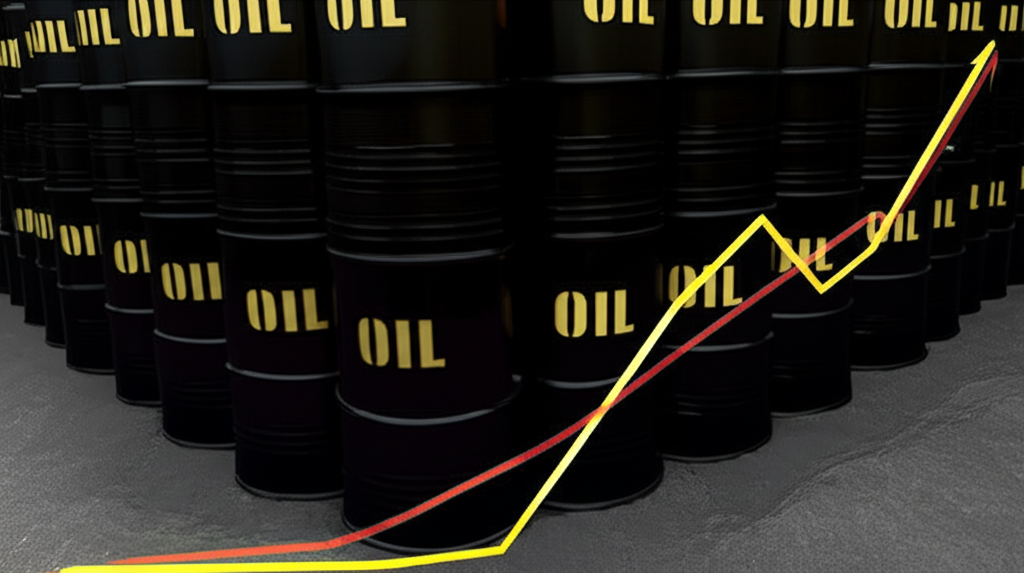
- Hypothetical “Contango vs backwardation oil chart” example: Picture a WTI futures chart by month. Contango might show March at $70, April $71, May $72-climbing line. Backwardation flips it: March $72, April $71, May $70-dropping off. These lines quickly reveal the market’s mood.
Gold and Precious Metals
Gold and kin act differently from energy, serving as havens and value stores.
- “Why is gold always in contango?” and “Is Gold in contango or backwardation?”: Gold usually hugs contango. As an easy-to-store item that doesn’t spoil, its carry costs-storage, insurance, forgone interest-nudge futures above spot. Only rare physical crunches or panic buys flip it; otherwise, a gentle contango feels standard.
- Factors specific to gold: Demand leans toward investment, jewelry, and industry, not just use. As an inflation shield, its curve steepness ties to sentiment and rates, which tweak carry costs.
How Contango and Backwardation Affect US Investors and Traders in 2025
These aren’t just theory-they hit portfolios and plays head-on for Americans in the markets.
Impact on Commodity ETFs
ETFs mirroring single commodities, say oil or gas, feel the pinch from these curves most.
- Contango eroding returns: These funds roll front-month futures; in contango, that means ongoing losses from cheap sells and pricey buys, lagging the spot badly. Long-haul investors need to watch this closely.
- Strategies for mitigating this effect:
* Diversification: Spread into wider indices mixing commodities, where some backwardation offsets the rest.
* Longer-dated contracts: Pick ETFs that grab further-out futures for milder rolls.
* Active management: Managers tweak holdings to cut negative yield.
* Direct futures contracts: Pros handle their own rolls for better control.
Is Contango Good or Bad for Traders?
It hinges on your angle.
- Bad for long positions: The roll loss hurts upside bets, as covered.
- Good for short positions: Shorts gain as futures drop toward spot, and rolling down the curve adds profit.
- Complex options strategies: Pros might run calendar spreads to mine the upward curve.
How to Profit from Backwardation?
This state opens clear paths.
- Going long: Long futures thrive here, with roll yield as bonus pay-even flat spots can yield wins, and rises supercharge it.
- Benefiting from positive roll yield: Hunt backwardated assets for longs; the market tilt aids the trade.
- Hedging for producers: Sellers lock future output below spot but above costs, hedging upside if uncommitted.
Navigating Commodity Futures: Broker Considerations for US Traders in 2025
Picking the right broker matters for diving into futures and decoding these curves. Look for low costs, solid tech, and learning aids.
Top Platforms for Understanding and Trading in Contango/Backwardation Environments
For 2025 commodity action, US folks should eye broad access, sharp analytics, and education.
1. Moneta Markets
Advantages: Moneta Markets shines with tight spreads on key commodities like oil, gold, and natural gas. Regulated by the FCA, it gives US investors global reach through MT4 and MT5 platforms, perfect for dissecting contango and backwardation. Their education and tools help spot roll yields and time moves, giving traders a leg up in volatile setups.
2. OANDA
Advantages: OANDA excels in education and analytics for FX and commodity CFDs, where curve dynamics matter. Its easy interface suits new and seasoned US traders, with charts that map futures shapes and price flows. Transparency and learning focus make it ideal for unpacking commodity twists.
3. IG
Advantages: As a top online trader, IG covers tons of markets, including commodity futures and options, for diverse US plays. Its research flags contango and backwardation shifts, while advanced charts support strategies to ride or counter them.
Conclusion: Strategic Insights for US Investors in 2025
Contango and backwardation drive commodity dynamics, touching every US investor and trader deeply. Knowing if futures top or trail spot goes beyond books-it’s key to winning strategies.
By 2025, with markets in flux, spotting these, their roots, and roll effects proves golden. ETF holders must guard against contango’s yield drain, while sharp traders chase gains in either. Tools from brokers like Moneta Markets, with FCA backing and strong resources, let Americans decide wisely, handle futures’ quirks, and gear up for turns.
Frequently Asked Questions (FAQs) for Contango and Backwardation
Is contango bullish or bearish?
Contango isn’t straight-up bullish or bearish-it’s about expectations and costs. Heavy contango might hint at plenty of supply, bearish for spots, but it mainly shows carry expenses. For traders, it hurts longs via roll losses but helps shorts.
Why is gold always in contango?
Gold sticks to contango as a storable asset. Carry costs like storage, insurance, and missed interest lift futures over spot. That’s standard unless a sharp physical shortage hits.
How to profit from backwardation?
To profit from backwardation, traders typically take a long position in the commodity’s futures contracts. In a backwardated market, you benefit from a positive roll yield, meaning you sell expiring contracts at a higher price and buy new, longer-dated contracts at a lower price. This positive roll yield can enhance returns, even if the spot price remains relatively stable. Platforms like Moneta Markets provide the tools and competitive spreads needed to effectively manage such strategies.
Is contango good or bad for traders?
Contango is generally “bad” for traders holding long positions in futures or commodity ETFs due to the negative roll yield that erodes returns over time. However, it can be “good” for traders taking short positions, as they benefit from the futures price converging to a lower spot price. Sophisticated traders may also use specific strategies like calendar spreads to profit from the shape of the contango curve.
What is contango and backwardation in futures markets?
Contango and backwardation describe the relationship between a commodity’s current spot price and its future prices in the futures market.
- Contango occurs when future prices are higher than the spot price, resulting in an upward-sloping futures curve.
- Backwardation occurs when future prices are lower than the spot price, resulting in a downward-sloping futures curve.
These conditions are crucial for understanding roll yield and the profitability of commodity investments.
Contango vs backwardation roll yield: What’s the key difference?
The key difference in roll yield between contango and backwardation lies in its impact on profitability. In contango, roll yield is negative, meaning investors incur a loss when rolling an expiring futures contract into a new one (selling low, buying high). In backwardation, roll yield is positive, meaning investors gain when rolling positions (selling high, buying low). This positive roll yield can significantly boost returns for long positions.
Can contango and backwardation be predicted?
While the exact timing and magnitude are difficult to predict, the likelihood of contango or backwardation can often be anticipated by analyzing fundamental factors. For example, expectations of oversupply or high storage levels can signal contango, while geopolitical tensions or immediate supply disruptions can point to backwardation. Traders often use technical analysis and fundamental news to gauge potential shifts in the futures curve, and platforms like Moneta Markets offer the analytical tools to monitor these market conditions effectively.
How do US commodity ETFs handle contango?
Many US commodity ETFs that track single commodities manage contango by rolling their positions from expiring near-month futures contracts to longer-dated ones. However, in a persistent contango market, this rolling process results in a “roll cost” (negative roll yield), which can erode the ETF’s performance relative to the spot price of the underlying commodity. Some ETFs try to mitigate this by investing in a basket of futures contracts across different maturities or using more sophisticated strategies.
 English
Be First to Comment