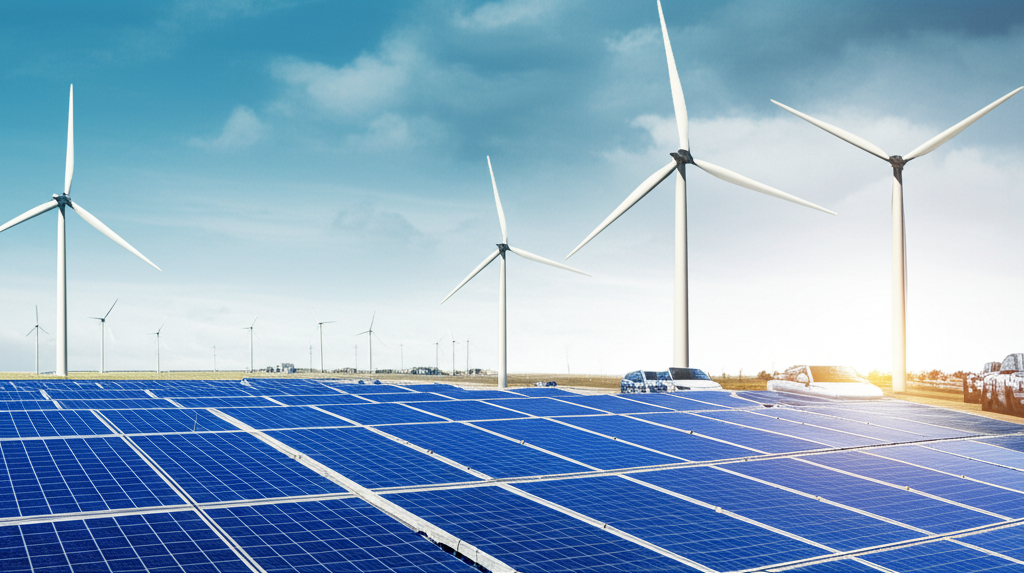
Introduction: Understanding Secular Trends in the US Commodities Market
The global economy keeps changing, but long-lasting forces drive shifts that go far beyond everyday market ups and downs. These are secular trends, and for investors in the United States, getting a handle on how they affect commodity markets is essential for building strong portfolios, spotting lasting growth prospects, and protecting against big economic threats. Heading into 2025, a mix of these deep-rooted trends is coming together, set to transform how essential raw materials-from energy sources and metals to farm products-are supplied, demanded, and priced.
This overview breaks down an in-depth but straightforward way for US investors to tackle the intricacies of long-term commodity movements. We’ll explore the background, break down the main forces behind these changes, examine their effects on key commodity areas, and suggest hands-on investment approaches along with platform picks suited to the American market.

In finance, secular trends stand apart from the usual ups and downs of business cycles or seasonal patterns. They signal basic, drawn-out changes that last years-sometimes decades-cutting through shorter economic swings. In commodities, such trends can upend the core balance of supply and demand, sparking extended stretches of climbing or dropping prices.

What Defines a Secular Trend in Commodities for 2025?
By 2025, a secular trend in commodities shows up through its long reach, its effects spanning several economic cycles, and its roots in major structural overhauls. It differs from a standard cycle that might run just a few years; a secular one, sometimes called a supercycle, stretches 10 to 20 years or more. Take China’s emergence as an industrial giant in the early 2000s-it sparked a commodity supercycle that reshaped worldwide markets for over ten years.
Looking ahead to 2025 and later, we’re seeing a blend of influences like tech breakthroughs, shifting international relations, and urgent environmental needs. These aren’t short-lived blips but core transformations. They promise ongoing strains on demand or supply that will shape how commodities perform well into the future.
Why US Investors Must Understand Long-Term Commodity Cycles
American investors need to grasp these extended commodity cycles for a few key reasons. Commodities frequently act as a buffer against inflation, which has made headlines again lately. They also bring diversification, since their prices don’t always move in lockstep with stocks or bonds.
Overlooking secular trends risks missing out on big gains in value-or worse, leaving portfolios vulnerable to long slumps. With the US economy more intertwined with worldwide supply networks, plus homegrown challenges from policy changes and climate impacts, tuning into these broad commodity stories is vital for smart asset decisions and handling risks.
Historical Context: Past Commodity Supercycles and Their Echoes in 2025
Looking back provides crucial insights into today’s and tomorrow’s commodity scene. Across the last century, distinct supercycles have arisen, each powered by particular worldwide developments.
Lessons from Previous Commodity Booms and Busts
Past supercycles in commodities usually kicked off with huge demand surges, often tied to fast industrialization or rebuilding after wars. After World War II, for instance, there was a surge in need for raw materials to reconstruct nations and fuel rising consumer spending. A more recent example ran from the early 2000s to about 2014, driven mainly by China’s massive industrial push and city-building boom. Prices soared for items like copper, iron ore, oil, and farm goods during that time.
These episodes remind us that supercycles don’t last forever. They wind down when supply ramps up (high prices draw in new producers), demand fades, or the world economy pivots fundamentally. The downturns can drag on and hit hard, just like the peaks. Spotting these rhythms lets US investors place current conditions in perspective and foresee possible shifts.
Are We Entering a New Commodity Supercycle in the United States?
Plenty of experts believe the world-and the US specifically-is either starting or teetering on the edge of a fresh commodity supercycle. Unlike before, this one’s fueled less by one country’s industrialization and more by a worldwide move to green energy plus realignments in global politics. The huge investments needed for switching to clean power, along with tweaks to supply lines and ongoing inflation, make a compelling case for a lasting upward run in several major commodity categories.
In the US, this might translate to steadily higher costs for vital minerals used in electric vehicles and clean energy setups, a fresh look at homegrown energy output, and sharper emphasis on locking down key resources. Such a supercycle could ripple through the American economy, affecting everything from factory expenses to what shoppers pay at the store.
Key Secular Drivers Shaping Commodities in the United States by 2025
Several enduring forces are putting real strain on commodity markets, with clear knock-on effects for the US.
The Green Energy Transition: Demand for Critical Minerals and Renewables
Moving the world off fossil fuels and onto renewables stands out as the biggest long-term force hitting commodities right now. Spurred by worries over climate change and supportive government rules, this switch is rewriting demand for all sorts of raw inputs.
- Key Talking Points:
* Shift from Fossil Fuels: Oil and natural gas will stay important, but the big-picture path leads to less dependence on conventional energy sources. That said, the switchover demands a ton of power in the near and medium term, much of it still from fossil setups.
* Increased Demand for Lithium, Copper, Nickel: Building electric vehicles, wind farms, solar arrays, and battery systems guzzles minerals. Expectations are for explosive growth in needs for lithium, copper, nickel, cobalt, and rare earths.
* US Infrastructure Bill Impact: The Bipartisan Infrastructure Law pours billions into updating the power grid, EV charging stations, and mass transit, ramping up US demand for metals and building supplies.
* Renewable Energy Growth in the United States: Bold goals for clean power production and storage nationwide, backed by the Inflation Reduction Act, mean steady calls for the materials to construct this emerging energy system.
Geopolitical Shifts and Supply Chain Resilience
Recent years have exposed how brittle global supply chains can be, and how tensions between nations disrupt commodity flows. This has sparked a lasting push for tougher supply lines and, sometimes, a nationalist grip on resources.
- Key Talking Points:
* Impact of Trade Tensions, Regional Conflicts, and Resource Nationalism on Global Supply: Things like the Ukraine conflict, US-China trade frictions, and rising barriers to trade show how fast vital commodity streams can break, causing wild price swings and shortages.
* US Strategic Reserves: Washington’s stepped-up efforts to restock and grow reserves of oil and key minerals signal a sustained plan to cushion against disruptions and cut ties to shaky overseas suppliers.
* Reshoring Efforts: Fueled by security worries and aims for steadier economics, more manufacturing and supply chains are moving back to the US or friendly countries, which could redirect raw material needs stateside.
Demographic Changes and Urbanization in Emerging Markets
The US market may be well-developed, but worldwide population patterns heavily sway the global commodity prices that American investors deal with. Steady world population increases and a swelling middle class in places like Asia and Africa fuel strong, ongoing demand.
- Key Talking Points:
* Global Population Growth: More people worldwide naturally mean greater needs for food, power, and materials for homes and infrastructure.
* Rising Middle Class in Asia/Africa: Higher earnings there shift diets toward protein-heavy meals (needing more farmland and feed) and crank up wants for goods, shelter, and travel, lifting industrial metals and energy use.
* Implications for Agricultural and Industrial Commodities Demand: These population changes put steady upward force on prices for farm outputs like grains and meat, plus industrial basics like steel and cement ingredients, hitting US producers and buyers alike.
Inflationary Pressures and Monetary Policy in the US
Inflation is back in the spotlight as an economic headache, and commodities cut both ways-they can spark it or signal it, while also hedging against it. The ongoing path of inflation and how the Federal Reserve reacts are major long-term shapers of commodity arenas.
- Key Talking Points:
* Role of Central Banks: Loose money policies worldwide, rolled out to fight recessions, have flooded systems with cash, feeding inflation that lifts commodity costs.
* US Dollar Strength/Weakness: Since most commodities trade in dollars, a softer buck makes them more affordable abroad, potentially boosting buys and prices. A robust dollar does the opposite. The dollar’s future path guides how US folks approach commodity bets.
* Commodities as an Inflation Hedge for US Portfolios: Over history, commodities shine in high-inflation times, drawing US investors who want to safeguard their buying power. That’s a built-in trait of these markets.
Technological Advancements and Disruptions
Tech cuts both ways in commodities, boosting productivity while opening doors to substitutes, which molds supply and demand sides.
- Key Talking Points:
* Innovations in Extraction: Techniques such as hydraulic fracturing, or fracking, transformed US shale oil and gas output, flooding the world with supply and shaking energy pricing. Comparable progress might hit mineral mining soon.
* Synthetic Alternatives: Breakthroughs in materials could spawn lab-made options that cut need for natural goods, like synthetic diamonds or composites swapping out metals.
* Efficiency Gains: Smarter ways to make, ship, and use energy can trim overall raw material pulls as time goes on.
* Impact of AI and Automation on Commodity Demand/Supply: AI and robots can fine-tune mining, speed up shipping, and sharpen forecasts for supply chains, possibly smoothing delivery but altering workforces. They might also spike needs for metals in high-tech hardware.
Analyzing Major Commodity Sectors for US Investors
These broad trends play out in varied ways across commodity types. US investors benefit from drilling down into each area.
Energy Commodities: Oil, Natural Gas, and the Transition
Energy leads the charge in going green, but old-school fuels will remain key for years ahead.
- Key Talking Points:
* US Shale Production: America tops the charts in oil and gas thanks to the shale boom. How long that holds and grows will sway world energy costs and US self-reliance.
* Global Energy Demand: Even with renewables gaining, worldwide power needs-especially from developing areas-keep climbing, holding firm ground for fossil fuels.
* Impact of Energy Policies on US Prices: Rules at home on drilling, pollution limits, and green incentives shape energy costs and supply in the US, from pump prices to power bills.
Industrial Metals: Copper, Iron Ore, and Infrastructure Growth
These metals underpin growth and the clean energy pivot, positioning them for lasting demand surges.
- Key Talking Points:
* Demand from Construction and Manufacturing: City expansion, factory builds, and overall economic advances keep pulling in basics like iron ore for steel and copper.
* Electric Vehicles: Copper wires into EV batteries, motors, and chargers, while nickel powers many battery types. This fresh layer adds serious long-term lift.
* US Infrastructure Projects: Massive spending on American roads, bridges, transit, and grids guarantees strong home demand for steel, copper, and related materials for the long haul.
Precious Metals: Gold, Silver, and Their Role as Safe Havens
Unlike industrial sorts, precious metals mainly store wealth and shield from turmoil.
- Key Talking Points:
* Inflation Hedging: Gold especially has earned its stripes as an inflation fighter. Ongoing price worries should keep drawing buyers to gold and silver over time.
* Geopolitical Uncertainty: Global unrest, downturns, or diplomatic clashes usually ramp up safe-haven buys for these metals. With conflicts and trade spats persisting, that’s a steady pull.
* US Interest Rate Environment: Fed rate moves heavily sway gold values. Rising real rates hike the cost of parking money in non-income assets like gold; falling rates make it appealing. America’s money policy trajectory is pivotal.
Agricultural Commodities: Food Security and Climate Change
Farm goods link directly to population booms, eating habit changes, and wilder weather from climate shifts.
- Key Talking Points:
* Global Food Demand: World population growth translates to bigger appetites, steadily pushing farm production and costs higher.
* Impact of Weather Patterns: A changing climate brings fiercer droughts, floods, and heat, hammering harvests and herds, which breeds price swings and long-term supply worries.
* US Agricultural Output and Exports: As a top grower and shipper of corn, soybeans, wheat, and beef, US yields and trade stances ripple through world food dynamics and pricing.
Investment Implications for US Investors: Capitalizing on Commodity Trends in 2025
Spotting these trends is just the start; turning them into real moves for US portfolios comes next.
Strategies for US Portfolios: Diversification and Hedging
Commodities fit neatly into American investment plans.
- Diversification: Bringing in commodities spreads risk, given their loose ties to equities and fixed income, especially when prices heat up.
- Hedging Against Inflation: They guard against eroding value, as noted earlier.
- Targeted Exposure: Zero in on trends by picking commodities or firms tied to clean energy (say, copper or lithium outfits), food stability, or tech innovations.
Commodity-Linked Investment Vehicles Available to US Investors
Americans have several paths to tap commodities, each balancing risks and upsides differently.
- Exchange-Traded Funds (ETFs): Easy and widespread, these follow broad indices or hone in on sectors like energy, metals, or ag, or single items. Think Invesco DB Commodity Index Tracking Fund (DBC) for overall coverage or United States Oil Fund (USO) for oil.
- Futures Contracts: Savvy players use these to bet directly on prices-deals to trade at set rates later. They pack leverage but demand caution.
- Commodity-Focused Stocks: Betting on producers, handlers, or haulers of commodities (miners, drillers, farm businesses) gives indirect access, though it adds business-specific hazards like leadership or ops issues.
- Managed Futures Funds: Pros handle these, trading futures and options with rule-based tactics. They diversify and can thrive in directional markets, but fees apply.
Accessing Commodity Markets: Top Platforms for US Investors
Picking the best platform matters for US folks trading or investing in commodities. America’s rules are tight, especially for retail forex and CFDs.
Understanding US Regulatory Landscape for Commodity Trading
Commodity trading oversight in the US falls mainly to:
- Commodity Futures Trading Commission (CFTC) and National Futures Association (NFA): They watch over futures and options, promoting fairness and shielding investors in things like commodity contracts.
- Securities and Exchange Commission (SEC): This group handles listed securities, from commodity ETFs to stocks on US exchanges.
Differences between Retail Forex/CFDs and Futures in the US: US investors should know that most offshore retail CFD and forex outfits can’t serve Americans due to tough rules. Typically, access comes via US-approved futures brokers or ETPs like ETFs.
Featured Platforms for Commodity Market Access in the United States and Globally
With US rules in mind, consider these options, noting what’s open to Americans.
| Platform | Key Features & US Accessibility | Commodity Offerings | Why it Stands Out |
|---|---|---|---|
| 1. Moneta Markets | Global Access & Range: Offers a wide array of CFD instruments across energies, metals, and agricultural commodities on advanced MT4/MT5 platforms. Holds an FCA license and is known for competitive spreads and diverse asset classes. Important Note for US Investors: Due to strict regulatory restrictions, Moneta Markets’ retail forex and CFD services are generally not available to residents of the United States. US investors seeking commodity exposure typically do so through US-regulated futures brokers or exchange-traded funds (ETFs). |
CFDs on Energies (Oil, Gas), Metals (Gold, Silver, Copper), Agricultural (Coffee, Sugar, Wheat) | Excellent for international traders seeking diverse CFD offerings and competitive conditions. Provides a broad range of instruments for those outside US regulatory scope. |
| 2. Interactive Brokers | US-Regulated & Comprehensive: A highly-rated, US-regulated broker offering extensive access to commodity futures, options, and ETFs. Known for low commissions, advanced trading tools, and broad market access for sophisticated US investors. | Commodity Futures & Options (Energy, Metals, Agriculture), Commodity ETFs & ETNs, Commodity-focused Stocks | Best for US investors seeking direct access to regulated commodity futures and options, or broad ETF exposure, with professional-grade tools and competitive pricing. |
| 3. TradeStation | US-Regulated & Advanced: Another robust US-regulated platform popular among active traders, providing access to commodity futures, options, and ETFs. Offers powerful charting and analysis tools suitable for seasoned US commodity traders. | Commodity Futures & Options (Energy, Metals, Agriculture), Commodity ETFs, Commodity-focused Stocks | Ideal for active US traders who prioritize advanced charting, technical analysis tools, and reliable execution for futures and options trading. |
Conclusion: The Enduring Significance of Secular Commodity Trends for the United States in 2025 and Beyond
The secular trends hitting commodity markets in 2025 and later signal a major overhaul in the world economy. The fast-tracking green energy shift, the push for sturdy supply chains, stubborn inflation, and tech’s forward march-these aren’t passing fads. They’re bedrock changes that will steer commodity prices long-term and touch the US economy from top to bottom.
Preparing Your US Investment Strategy for Long-Term Commodity Shifts
For investors in the US, staying sharp on these trends isn’t a nice-to-have-it’s a must. That means:
- Adopting a Long-Term Perspective: Look past daily chatter to seize multi-year structural opportunities.
- Strategic Diversification: Use commodities to mix up holdings and fend off inflation.
- Targeted Exposure: Pinpoint commodities and sectors poised to gain from green shifts, infrastructure bucks, or similar drivers.
- Regulatory Awareness: Stick to US-compliant activities, choosing platforms that legally fit the tools you’re using.
Grasping these trends and adjusting portfolios accordingly lets US investors handle the changing commodity terrain with more assurance, balancing protection and expansion for years ahead.
What is a secular market trend?
A secular market trend is a long-term directional movement in a market that lasts for many years or even decades, often transcending shorter-term economic cycles. These trends are driven by fundamental structural changes in the economy, technology, or society, rather than temporary factors.
What are examples of secular trends in finance affecting the United States?
Examples of secular trends affecting the United States include the shift to renewable energy, the increasing digitalization of the economy, an aging population, rising geopolitical tensions leading to supply chain reshoring, and the long-term trajectory of inflation. Each of these has profound implications for investment sectors and asset classes.
How do secular trends affect commodities markets in the US?
Secular trends significantly impact US commodity markets by altering long-term supply and demand dynamics. For instance, the green energy transition drives secular demand for critical minerals (like lithium and copper) while potentially reducing the long-term demand for fossil fuels. Geopolitical shifts can lead to a secular focus on domestic production and strategic reserves, influencing pricing and availability within the US.
What are the current secular trends in commodities today in 2025?
In 2025, key secular trends in commodities include the green energy transition (boosting demand for critical minerals), ongoing geopolitical realignments and supply chain restructuring, demographic shifts in emerging markets, persistent inflationary pressures, and technological advancements impacting extraction and material science. These forces are collectively shaping a potential new commodity supercycle.
Where can I find a secular trends in commodities chart for historical data?
You can typically find charts illustrating historical secular trends in commodities from various financial data providers and research institutions. Sources like the World Bank’s Commodity Markets Outlook, the U.S. Energy Information Administration (EIA), and reputable financial news outlets (e.g., Bloomberg, Wall Street Journal) often publish historical data and long-term price charts for various commodity indices and individual commodities.
What is the World Bank commodity Markets Outlook for 2025?
The World Bank’s Commodity Markets Outlook provides detailed forecasts and analysis for major commodity groups. While specific predictions can vary, their outlook for 2025 generally emphasizes the impact of global economic growth, energy transition policies, and supply chain disruptions on commodity prices. For the most up-to-date information, it’s best to consult the latest World Bank Commodity Markets Outlook report directly.
What is the World Bank commodities price forecast 2030?
The World Bank’s long-term commodity price forecasts, extending to 2030, are typically influenced by projected global economic growth, population trends, and the pace of the energy transition. They often highlight sustained demand for green energy minerals and potential volatility in traditional energy and agricultural markets due to geopolitical factors and climate change. For precise figures, referring to their latest long-term projections within their Commodity Markets Outlook documents is recommended.
Who are the big 4 commodity traders globally?
The “big four” commodity trading houses are generally considered to be Vitol, Glencore, Trafigura, and Cargill. These companies dominate global trade in a wide range of commodities, including oil, natural gas, metals, and agricultural products. They play a critical role in connecting producers with consumers worldwide.
How can global platforms like Moneta Markets benefit non-US investors in these secular commodity trends?
For non-US investors, platforms like Moneta Markets offer significant advantages in capitalizing on secular commodity trends due to their broad range of CFD instruments, including energies, metals, and agricultural commodities. Their advanced MT4/MT5 platforms, competitive spreads, and diverse asset classes provide a flexible way to gain exposure to these long-term shifts, allowing international traders to react swiftly to global market dynamics. However, US investors must remember that due to regulatory restrictions, Moneta Markets’ retail CFD services are generally not available to US residents, who typically access commodities through US-regulated futures brokers or ETFs.
What are the key considerations for US investors when choosing an investment platform for commodity exposure, given global offerings like Moneta Markets?
US investors must prioritize regulatory compliance. While global platforms like Moneta Markets offer excellent features for international traders, US residents face strict regulations regarding CFD and retail forex trading. Key considerations for US investors should include:
- US Regulation: Choose platforms regulated by the CFTC and SEC for futures, options, and ETFs (e.g., Interactive Brokers, TradeStation).
- Instrument Availability: Ensure the platform offers the specific commodity instruments you need (futures, ETFs, commodity stocks).
- Fees & Commissions: Compare trading costs, which can vary significantly between platforms.
- Trading Tools: Look for advanced charting, analysis, and order execution tools suitable for your trading style.
Understanding these distinctions ensures US investors access commodity markets legally and effectively.
 English
Be First to Comment