Introduction: The Looming Challenge for United States Agriculture
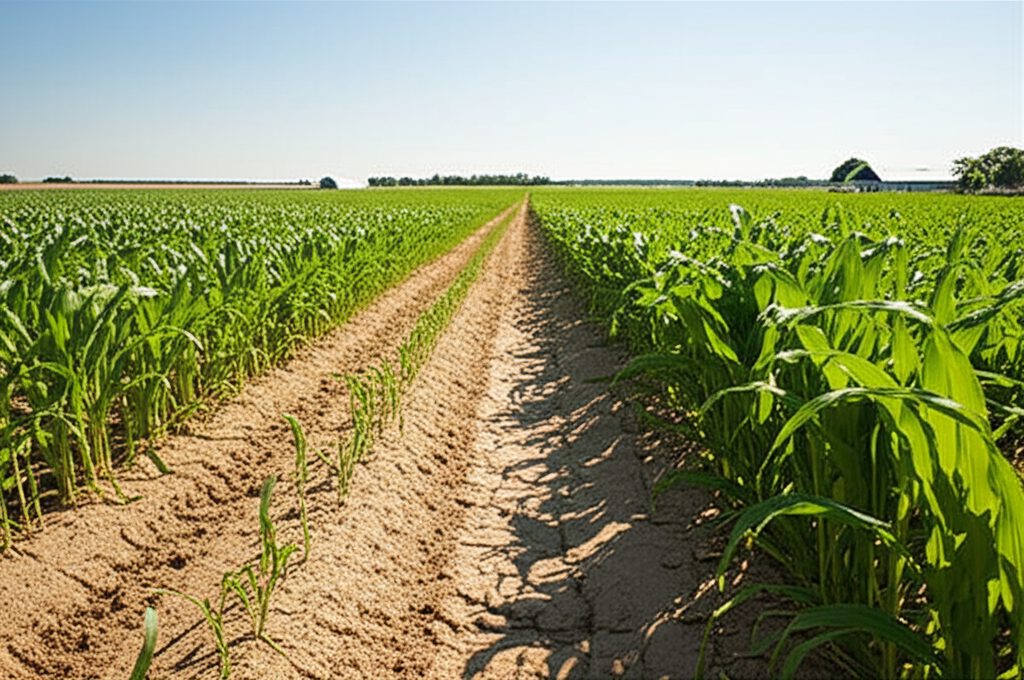
Climate change is reshaping global weather patterns with warmer temperatures and shifting rainfall, posing a serious threat to farming across the world. In the United States, a top producer of food and crops, these changes could disrupt crop yields starting in 2025 and stretching into the future. This shift matters deeply for the economy, ensuring enough food for everyone, and supporting the many people who depend on agriculture for their jobs. We’ll explore what scientists agree on about how climate change affects US farming, including direct consequences, differences across regions, and key ways to adapt and protect harvests. As concerns over climate change impacts agriculture intensify, forecasts for US crop yields 2025 point to major changes that demand action now.
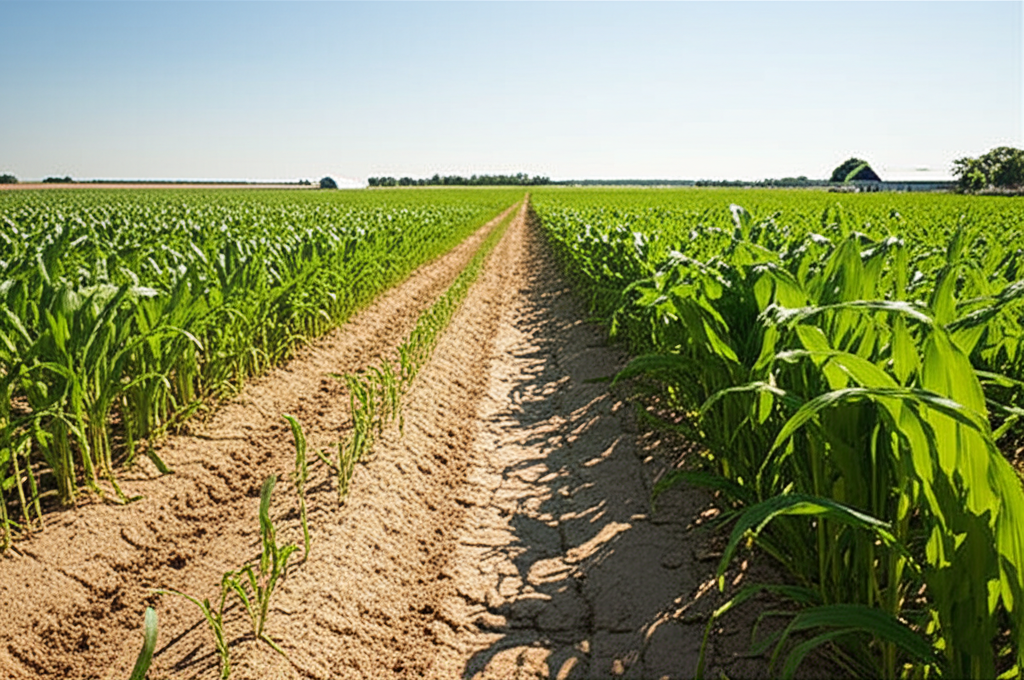
Understanding these dynamics isn’t just academic-it’s vital for preparing farms to withstand tougher conditions. For instance, while some areas might see temporary boosts from longer growing seasons, overall trends suggest more risks than rewards without smart planning. Farmers, policymakers, and researchers must work together to build resilience against these evolving pressures.
Direct Impacts of Climate Change on US Crop Yields
The connection between weather and farming is delicate, so even small changes in the environment can ripple through to big losses in output. Higher temperatures worldwide, fueled mainly by greenhouse gases such as carbon dioxide (CO2), are transforming the conditions where crops grow across the country. These shifts play a central role in climate change and crop yields, often in ways that challenge traditional practices.
Rising Temperatures and Heat Stress
Higher air temperatures speed up how plants grow and develop, cutting short the important phase when grains form in key US staples like corn, soybeans, and wheat. A shorter season typically means less to harvest. On top of that, extended hot spells cause heat stress that hampers a plant’s ability to turn sunlight into energy through photosynthesis, lowers successful pollination rates, and damages cells beyond repair. The Midwest, long known as America’s breadbasket, now deals with heatwaves that hit harder and more often, putting these essential crops at greater risk.
Altered Precipitation Patterns and Water Scarcity
Climate change brings more than just warmth-it’s transforming how and when rain falls, which ties directly into climate change and crop yields. In places like the Southwest and sections of the Midwest, droughts are becoming more common and severe, creating water scarcity that hits both irrigated fields and those relying on natural rain. In contrast, the Northeast sees heavier downpours and more flooding, leading to washed-out soil, lost nutrients, and outright destruction of growing plants. Managing water amid these swings has become a top priority for US agriculture, demanding innovative approaches to conserve and distribute it effectively.
Elevated CO2 Levels: A Double-Edged Sword
Carbon dioxide (CO2) is vital for plants to photosynthesize, but rising levels in the atmosphere create both opportunities and drawbacks for climate change and crop yields. For C3 plants like wheat, rice, and soybeans, extra CO2 can act like fertilizer, potentially increasing output if everything else lines up right. Yet this upside is tempered by downsides: research shows crops may end up with lower levels of proteins, minerals, and vitamins-a form of nutritional value degradation. Plus, higher CO2 can spur weed growth, forcing crops to compete harder for sunlight, water, and nutrients, which complicates life for growers.
Extreme Weather Events
Across the US, storms, heatwaves, unexpected frosts, and hail are striking more often and with greater force. Such events can ruin entire fields, wreck equipment and buildings, and create unpredictable swings in production known as yield volatility. A hailstorm might destroy a corn crop in hours, or a late freeze could kill off fruit tree buds just as they emerge, all of which will influence US crop yields 2025 and years to come.
Regional Vulnerabilities: Climate Change and US Crop Yields by 2025
America’s wide range of landscapes means climate change impacts agriculture differently from one area to the next, so solutions must be customized to local realities.
The Midwest’s Grain Belt
As the heart of corn and soybean farming, the Midwest confronts warmer nights and erratic rain that disrupt planting and growth. Heat during flowering and seed-setting can slash harvests, despite any CO2 benefits. Models predict that northern parts might gain from extended seasons at first, but southern regions could lose ground to drought and extreme heat. The United States Department of Agriculture (USDA) is deeply involved in studying these patterns to guide farmers through the transitions.
California’s Specialty Crops
California grows a huge share of the nation’s fruits, nuts, and veggies, but it’s hit hard by ongoing droughts and water scarcity. The state’s irrigation depends on melting snow from the mountains, which is dwindling. Wildfires, more frequent now, scorch fields, damage facilities, and fill the air with smoke that harms workers and plants alike. Reports on the impact of climate change on agriculture PDF from California agencies stress the urgent need for better water planning in these vulnerable zones.
The Southern Plains and Wheat Production
Winter wheat thrives in the Southern Plains, but hotter weather and drawn-out dry spells are taking a toll. These factors weaken plants, invite more pests, and dry out the soil, turning reliable production into a struggle. Local farmers are turning to drought-tolerant crops and better ways to handle water, testing them in real-world conditions to sustain their operations.
Northeastern Agriculture
Warmer winters and more rain, including sudden heavy storms, are reshaping Northeast farming. A stretched-out growing period sounds promising, but soggy ground leads to root issues, washed-away fertilizers, and outbreaks of fungi that thrive in wet conditions. Shifting freeze times throw off when to plant and which varieties to choose, requiring adjustments to long-held routines.
Beyond Yields: Quality, Pests, and Diseases in a Warming US Climate
The reach of climate change and crop yields goes further than just the amount harvested-it touches the nutritional makeup of food and opens doors to new risks in farming.
Nutritional Value Degradation
Studies reveal that higher carbon dioxide (CO2) levels contribute to nutritional value degradation in major crops. Under projected future atmospheres, staples show drops in proteins, key minerals such as iron and zinc, and some vitamins. These changes raise alarms for food security and health, particularly in communities where these foods form the base of diets, potentially leading to widespread nutrient shortfalls if unaddressed.
Proliferation of Pests and Pathogens
Milder winters and longer warm periods, key aspects of climate change impacts agriculture, allow bugs and diseases to survive better and spread farther in the US. Insects like the corn earworm might push into new northern territories, while disease-carrying organisms find easier paths to multiply. This means tougher pest control for farmers, who may need stronger chemicals or switch to tougher crop types. The Intergovernmental Panel on Climate Change (IPCC) often details these ecological changes in their assessments.
Soil Health Deterioration
Wild weather like torrential rains and extended dry times speeds up soil health deterioration. Heavy rains strip away topsoil and its nutrients, while droughts sap organic content, slow down helpful microbes, and boost wind-blown erosion. These issues undermine the lasting fertility of fields, forming a core element of the negative effects of climate change on agriculture that demand focused restoration efforts.
Adaptation and Mitigation Strategies for US Agriculture in 2025
To protect US crop yields 2025 and secure the long term, farmers and experts must embrace forward-thinking changes. Tackling the impact of climate change on agriculture production and its sustainable solutions calls for layered efforts that build strength into every part of the system.
Developing Climate-Resilient Crops
Pouring resources into research is key to creating tougher plants. Experts are breeding and engineering varieties that resist drought, handle heat, and fend off pests using both traditional methods and advanced genetics. Switching to these options helps keep output steady amid worsening weather. In the Midwest, for example, updated corn strains are proving they can endure extended dry periods without folding.
Advanced Water Management
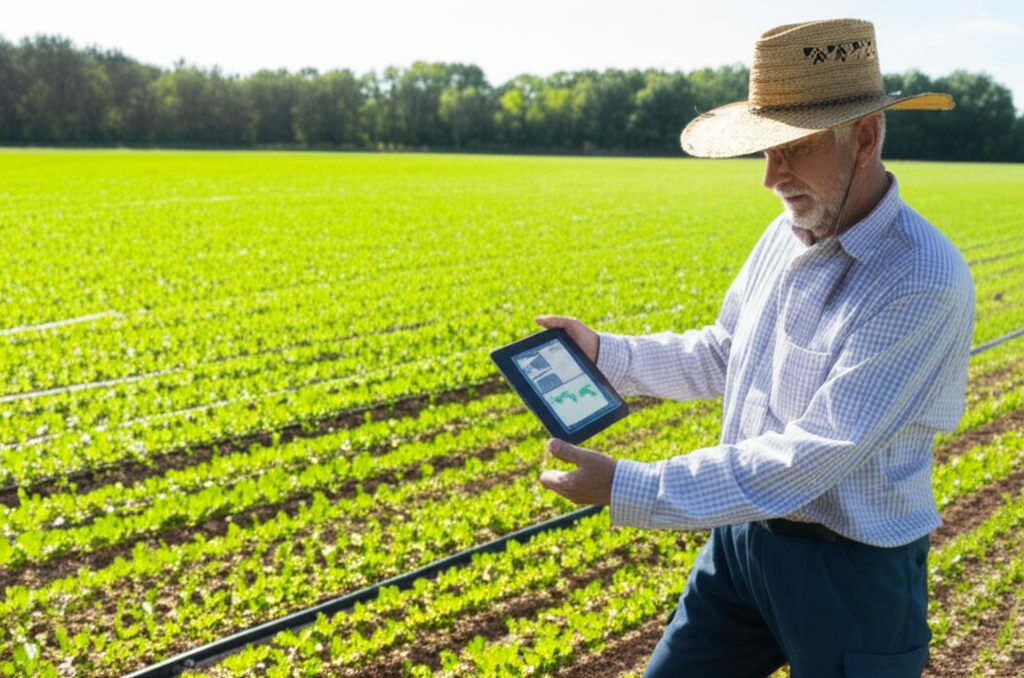
With rain patterns in flux, making the most of every drop is essential. Tools like drip systems and sensors that monitor soil in real time cut down on waste and target water where it’s needed. Collecting rainwater or recycling wastewater adds reliable supplies, while techniques such as cover crops help soils hold moisture longer. These steps are central to sustainable solutions for climate change impacts on agriculture production, turning scarcity into a manageable challenge.
Sustainable Farming Practices
Shifting to earth-friendly methods bolsters soil and surrounding ecosystems. Planting cover crops shields against erosion, enriches the ground with organics, and boosts how water soaks in. Skipping plowing altogether keeps soil intact and locks in carbon. Blending trees into fields through agroforestry cools the air, betters dirt quality, and creates extra revenue. Rotating different crops disrupts pests and rebuilds nutrients, all supporting the enduring health of US agriculture.
Policy and Economic Support for US Farmers
Strong policies and funding from the government make these shifts possible. United States Department of Agriculture (USDA) initiatives offer grants for eco-friendly upgrades, sturdy buildings, and insurance that covers weather disasters. Backing for studies on climate effects and cutting-edge tools sparks the progress needed to stay ahead.
The Economic and Food Security Implications for the United States by 2025
Looking ahead, falling production signals broad economic and societal fallout for the nation.
Volatility in Crop Prices
When US crop yields falter or fluctuate, so do prices on the market. Shoppers might pay more for basics like bread or meat, while growers grapple with unpredictable earnings that complicate budgeting and expansion. This instability shakes the whole food supply chain, from the field to the store shelf.
Farmer Livelihoods
Those working the land feel climate change impacts agriculture most immediately. Lower outputs, higher expenses for things like irrigation or bug sprays, and swinging prices strain finances, create uneven incomes, and force some operations to shut down. Heavily affected spots could see potential shifts in agricultural regions, reshaping rural life and local economies as people adapt or relocate.
National Food Supply Chain Resilience
A shaky national food supply chain resilience threatens overall food security. If homegrown supplies dip, the country might lean more on foreign sources, opening up to international price swings and limiting choices at the table. Building a flexible farming backbone is crucial for keeping the US steady through these upheavals.
Conclusion: Charting a Resilient Future for US Crop Yields
Climate change presents real and escalating hurdles for climate change and crop yields throughout the United States, with clear signals for US crop yields 2025 and further out. Warmer air, changing rains, emerging pests, and nutritional value degradation create a tough landscape for growers. Still, by weaving together resilient seeds, smarter water use, eco-conscious techniques, and solid government backing, the country can steer toward stronger farming. Ongoing studies, flexible responses, and teamwork among everyone involved will be key to upholding food security and farm viability in the face of these transformations.
How does climate change affect agriculture in the United States?
Climate change affects US agriculture through rising temperatures, altered precipitation patterns (leading to more droughts and floods), increased frequency of extreme weather events, and higher concentrations of atmospheric carbon dioxide. These factors collectively impact crop growth, yield, quality, and the spread of pests and diseases.
What are the negative effects of climate change on agriculture and food production?
The negative effects include reduced crop yields due to heat stress and water scarcity, decreased nutritional value of crops, increased prevalence of agricultural pests and diseases, soil degradation from erosion and nutrient loss, and greater volatility in crop prices, which can impact farmer livelihoods and global food security.
How does climate change impact crop yields in 2025?
By 2025, climate change is projected to cause continued shifts in regional crop suitability and yield potentials across the US. For instance, the Midwest may see increased heat stress on corn and soybeans, California could face intensified water scarcity for specialty crops, and the Southern Plains might experience more severe droughts impacting wheat production. Overall, US crop yields 2025 are expected to face greater volatility and stress.
What are sustainable solutions for climate change impacts on agriculture production?
Sustainable solutions include developing and adopting climate-resilient crop varieties (drought-tolerant, heat-resistant), implementing advanced water management techniques like precision irrigation, practicing sustainable farming methods such as cover cropping and no-till agriculture, and fostering supportive government policies for research and farmer assistance. These aim to bolster the impact of climate change on agriculture production and its sustainable solutions.
What is the meaning of reduced crop yields in the context of climate change?
Reduced crop yields meaning that the quantity of harvested crops per unit of land decreases. In the context of climate change, this refers to a decline in agricultural productivity primarily caused by adverse environmental conditions like extreme heat, insufficient or excessive water, and increased pest pressure, leading to less food production and economic losses.
Where can I find a PDF on the impact of climate change on agriculture?
You can find comprehensive PDFs on the impact of climate change on agriculture PDF from reputable organizations such as the Intergovernmental Panel on Climate Change (IPCC), the United States Department of Agriculture (USDA), and the Environmental Protection Agency (EPA). These reports provide detailed scientific assessments and regional analyses.
 English
Be First to Comment