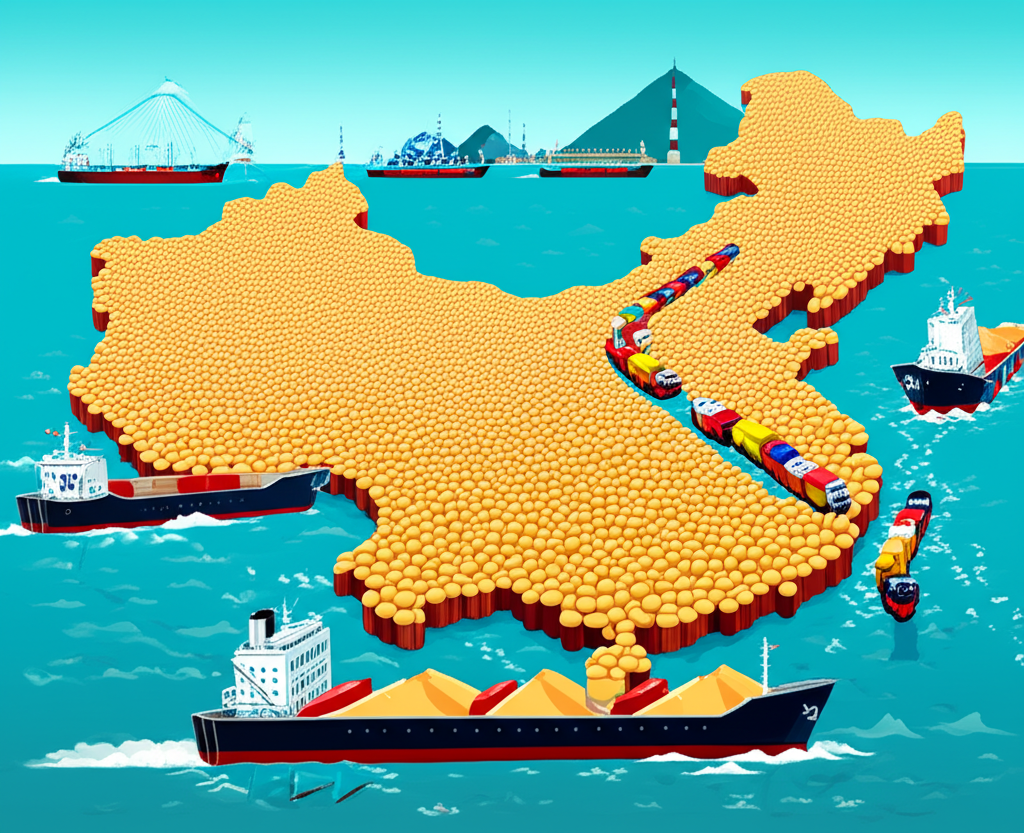
China’s growing need for soybeans continues to drive major changes in worldwide farming and trade, especially affecting top producers like the United States and Brazil. As we head toward 2025, factors such as shifting international relations, government trade rules, and China’s own plans for food supplies are transforming this key market. For U.S. growers, investors in farming, and government officials, staying ahead of these developments in soybean demand from China is essential for handling the ups and downs ahead. This piece explores today’s patterns, looks back at key events, examines effects on the U.S. economy, and shares predictions, giving a full picture of how China’s changing needs could alter American farming and international trade.
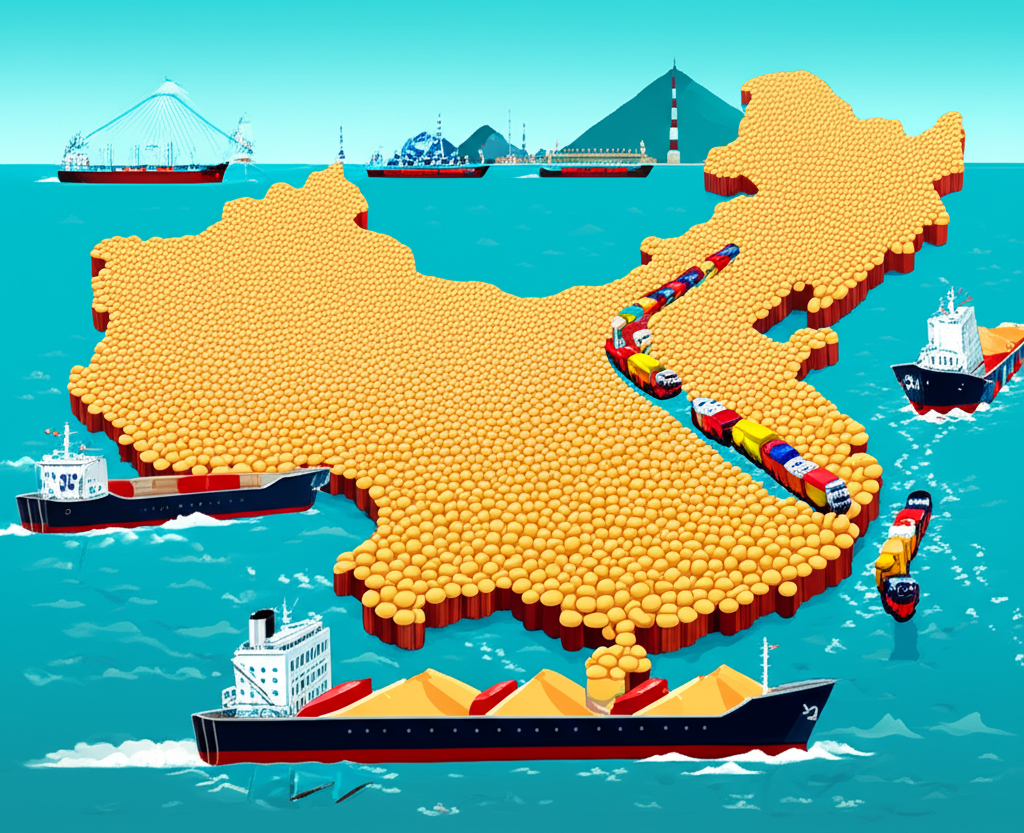
These shifts come at a time when global food systems face added pressures from climate issues and supply chain disruptions, making reliable forecasts even more valuable for decision-makers.

The Evolving Landscape of China’s Soybean Demand in 2025
As the top buyer of soybeans globally, China relies heavily on this crop to support its livestock sector-especially the huge pork industry-and to produce cooking oils. The country simply can’t grow enough at home to meet its requirements, so imports fill the gap and create big opportunities for exporters around the world. But things are changing fast. China’s economic path, shifts in how people there eat proteins, rebuilding of its pig farms after the African Swine Fever outbreak, and efforts to spread out its food suppliers are all influencing soybean demand from China as 2025 nears. In response, worldwide suppliers are adjusting their operations, from rerouting shipments to adjusting prices, which ripples through the entire agribusiness network.
Historical Context: How US-China Trade Shaped Soybean Exports
For many years, the U.S. served as China’s go-to source for soybeans, thanks to the high output and top-notch quality from American fields, smooth delivery systems, and generally steady diplomatic ties. Growers in the heartland, like those in the Midwest, tailored their planting and harvesting to tap into this vital overseas outlet, forming a key pillar of the nation’s farm-based economy.
That balance tipped dramatically during the U.S.-China trade conflicts starting in 2018. Beijing slapped tariffs on U.S. farm goods, hitting soybeans hardest and throwing long-standing supply lines into chaos. To cope, China turned to other options, with Brazil stepping up as the main alternative. The 2020 Phase One agreement brought promises from China to buy more American ag products, including soybeans, but the damage to trust and routines lingered. Since then, the partnership has swung between occasional big orders and China’s ongoing push to mix up its suppliers, putting U.S. soybean exports to China on shakier ground than ever.
Who’s Meeting China’s Demand? The Rise of Brazil and Other Suppliers
The trade frictions created openings for competing soybean nations, reshaping China’s soybean imports by country in lasting ways. Brazil grabbed the lead and hasn’t let go, turning what started as a workaround into a solid advantage.
Brazil’s Dominance: A Deep Dive into China’s Preferred Source
Several elements explain why Brazil has become China’s top choice for soybeans. The country’s expansive areas, such as the Cerrado region, offer plenty of room to ramp up planting without running into limits quickly. Its weather supports double cropping in parts of the country, providing steady volumes year-round. Plus, Brazil’s harvest timing lines up well with the U.S. schedule, so China can source beans continuously without gaps. Better ports and direct sea paths to Asia have made delivery faster and cheaper, while Brazilian beans often undercut prices from elsewhere. On top of that, Brazil has built closer economic and political bonds with China, treating it as a cornerstone partner for the future. As a result, China soybeans Brazil deals are set to keep leading the pack, regardless of any improvements in U.S.-China relations. Nations like Argentina and Canada pitch in too, but their contributions pale next to Brazil’s and the U.S.’s past role.
The Economic Fallout: Impact on United States Soybean Farmers in 2025
The drop-off and unpredictability in soybean demand from China have hit U.S. farmers hard, leading to real financial headaches. Many have dealt with shrinking incomes from fewer exports, higher costs to store bumper crops, and slumping prices at home. Federal aid like the Market Facilitation Program offered a lifeline during the worst of the trade fights, but it’s no fix for ongoing issues. The lingering doubt about U.S. soybean exports to China makes it tough for producers to plan seasons or invest confidently.
Key States Affected by Changes in China’s Soybean Demand
Not every corner of the U.S. feels the pain equally-it’s concentrated where soybeans rule the fields. Midwest powerhouses like Iowa, Illinois, Minnesota, Indiana, and Missouri depend heavily on exports to keep their farm sectors humming. In these areas, lower sales to China have squeezed profits, slowing down everything from tractor dealerships to seed suppliers and local repair shops. Over time, this could spark bigger changes, such as switching up what crops rotate in fields, dips in farmland prices, or even consolidations among family farms as operators scramble to adjust.
Future Outlook: Projections for United States Soybean Exports to China by 2025 and Beyond
Looking ahead, projections for soybean exports to China 2025 point to a tricky, multifaceted scene. China’s total soybean demand from China by year should stay strong, fueled by population growth and rising needs for proteins, but the U.S. slice of that pie probably won’t climb back to its old heights. Experts at the USDA and similar groups expect China to stick with spreading out its buys, keeping Brazil in the driver’s seat.
U.S.-China ties could play out in different ways. If tensions ease and trade talks heat up, American shipments might pick up a bit. Yet most observers think China will favor secure, aligned partners over heavy dependence on the U.S., especially with ongoing global uncertainties. Broader patterns show soybean needs expanding worldwide, driven by developing nations, so the U.S. must chase fresh outlets and higher-value uses to offset the China shift.
Diversification Strategies for United States Agriculture
To counter the risks from waning Chinese interest, U.S. farming leaders are pursuing smart ways to branch out:
- New Export Markets: Teams are scouting and building ties in places like Southeast Asia, the Middle East, Africa, and Europe through targeted trips, deal-making, and marketing pushes to sell more U.S. soybeans.
- Promoting Domestic Demand: Boosting uses at home, such as ramping up biodiesel from soy or creating plant-based proteins like meat alternatives, could soak up extra supply and stabilize prices.
- Adaptive Farming Practices: Growers might tweak their planting mixes, try premium crops, or set up on-site processing to turn raw beans into finished goods, cutting back on pure export dependence.
Geopolitical Factors and Trade Policies Influencing 2025 Soybean Markets
Tariffs aren’t the only players-wider issues like U.S.-China friction over Taiwan, rights concerns, and tech rivalries will shape soybean demand from China in 2025. Beijing’s focus on securing its own food supplies often trumps cost alone, favoring politically reliable sources.
Environmental rules are gaining traction too. With global pushes to cut emissions, the carbon cost of shipping beans across oceans or certain farming methods might sway buyer choices. Swings in currencies-the dollar against the real or yuan-can make one supplier’s offer more appealing than another’s. International pacts and trade groups will keep molding the field, opening doors or throwing up walls for U.S. soybean exports to China.
Conclusion: Navigating a Complex Future for United States Soybean Exports
China’s soybean demand from China spells hurdles and possibilities for the U.S. Its hunger for the crop endures, but the move to multiple suppliers-led by Brazil-has rewritten the rules for American producers. The days when the U.S. was China’s unchallenged soybean king seem behind us, at least for now.
American agriculture must pivot decisively, hunting new buyers overseas, growing home use, and giving farmers tools to mix things up. Grasping how money, politics, and green concerns intertwine will guide smart moves. Through fresh ideas and solid alliances, the U.S. can build a tougher, broader export setup to hold its ground in the world’s food web past 2025.
Frequently Asked Questions About China’s Soybean Demand & US Exports
What is the projected soybean demand from China by year through 2025?
China’s soybean demand is projected to remain high through 2025, driven by its large population and growing demand for meat and edible oils. While specific figures fluctuate, analysts from the USDA and other agricultural bodies forecast that China will continue to import over 100 million metric tons annually, making it the dominant force in global soybean trade. The exact volumes of China soybean imports by year will depend on domestic production, hog herd recovery, and economic growth.
How have U.S. soybean exports to China changed over time?
Historically, the U.S. was China’s leading soybean supplier. However, following the 2018 trade disputes, U.S. soybean exports to China saw a significant decline. While there have been intermittent large purchases, especially under the “Phase One” trade deal, the U.S. has ceded its top spot to Brazil. The trade relationship is now characterized by greater volatility and a reduced overall share for American producers compared to pre-2018 levels.
Which countries are China’s primary soybean imports by country besides the United States?
Brazil is currently China’s dominant supplier of soybeans, holding the largest market share. Other significant, though smaller, suppliers include Argentina and to a lesser extent, Canada. China’s strategy has been to diversify its sources, reducing its reliance on any single country to ensure supply security.
What impact does the U.S.-China trade relationship have on soybean sales to China?
The U.S.-China trade relationship has a profound impact on soybean sales. Trade disputes and tariffs have historically caused sharp declines in U.S. exports to China. Even with recent agreements, lingering geopolitical tensions and China’s strategic shift towards supply diversification mean that the relationship creates significant uncertainty and volatility for American farmers and their access to the Chinese market.
Are China soybeans Brazil purchases expected to continue dominating the market?
Yes, purchases of China soybeans Brazil are widely expected to continue dominating the market through 2025 and beyond. Brazil offers competitive pricing, a complementary growing season, expanding production capacity, and a strong bilateral trade relationship with China, making it the preferred long-term supplier.
What is the outlook for U.S. soybean exports to China in 2025?
The outlook for U.S. soybean exports to China in 2025 is cautious. While some trade will continue, it is unlikely to reach the consistent high volumes seen before 2018. The U.S. share of China’s total soybean imports is expected to remain lower than its historical peak, necessitating that American agriculture continue to seek out new markets and diversify its export portfolio.
What are the main factors driving China’s soybean imports by year?
The main factors driving China’s soybean imports by year include:
- Domestic Protein Demand: The need for animal feed, especially for the hog industry.
- Edible Oil Consumption: Soybeans are a primary source of cooking oil.
- Economic Growth: Higher incomes generally lead to increased meat consumption.
- Domestic Production Shortfalls: China’s inability to meet its own demand through domestic farming.
- Strategic Diversification: China’s policy to secure supplies from multiple countries to reduce risk.
- Trade Policies & Geopolitics: International relations significantly influence sourcing decisions.
 English
Be First to Comment